This article is the result of a collaboration with The Sunday Times. You can find th 2026-11-28 15:4:21 Author: www.bellingcat.com(查看原文) 阅读量:1 收藏
This article is the result of a collaboration with The Sunday Times. You can find their corresponding piece here.
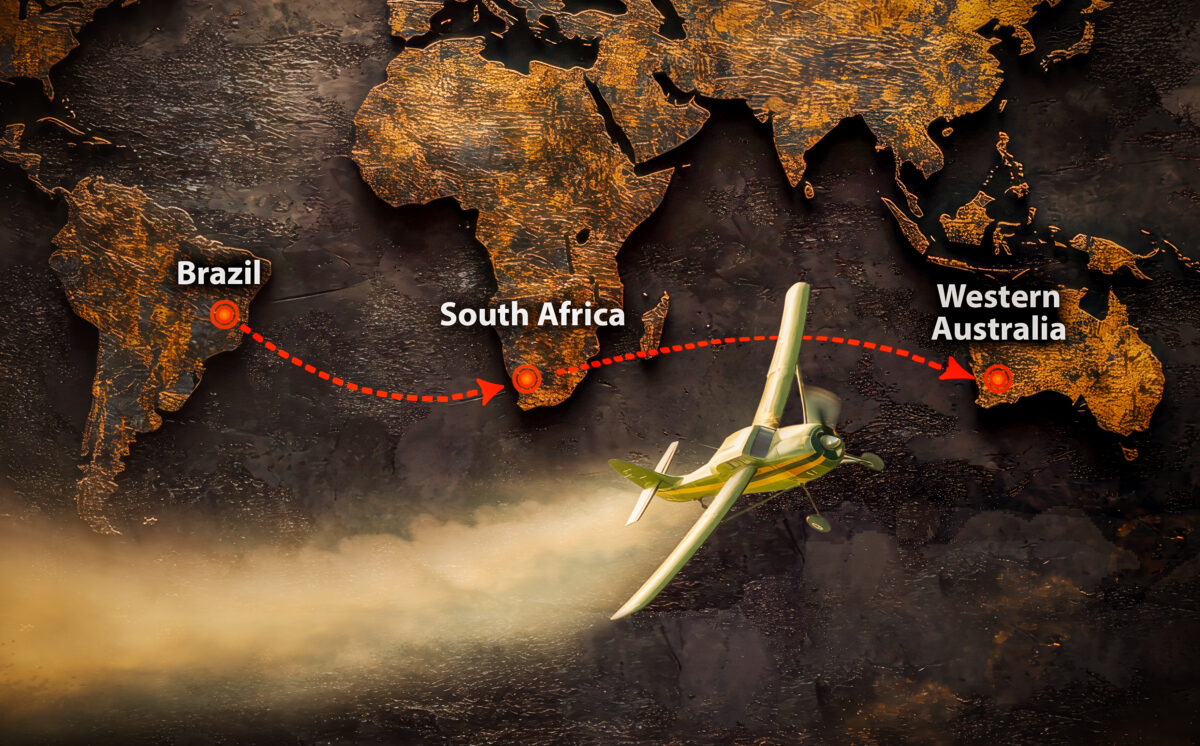
A pilot who died when his plane crashed during a failed drug run in South America last year previously flew a multimillion dollar cocaine shipment to Australia in the same kit aircraft, authorities have said.
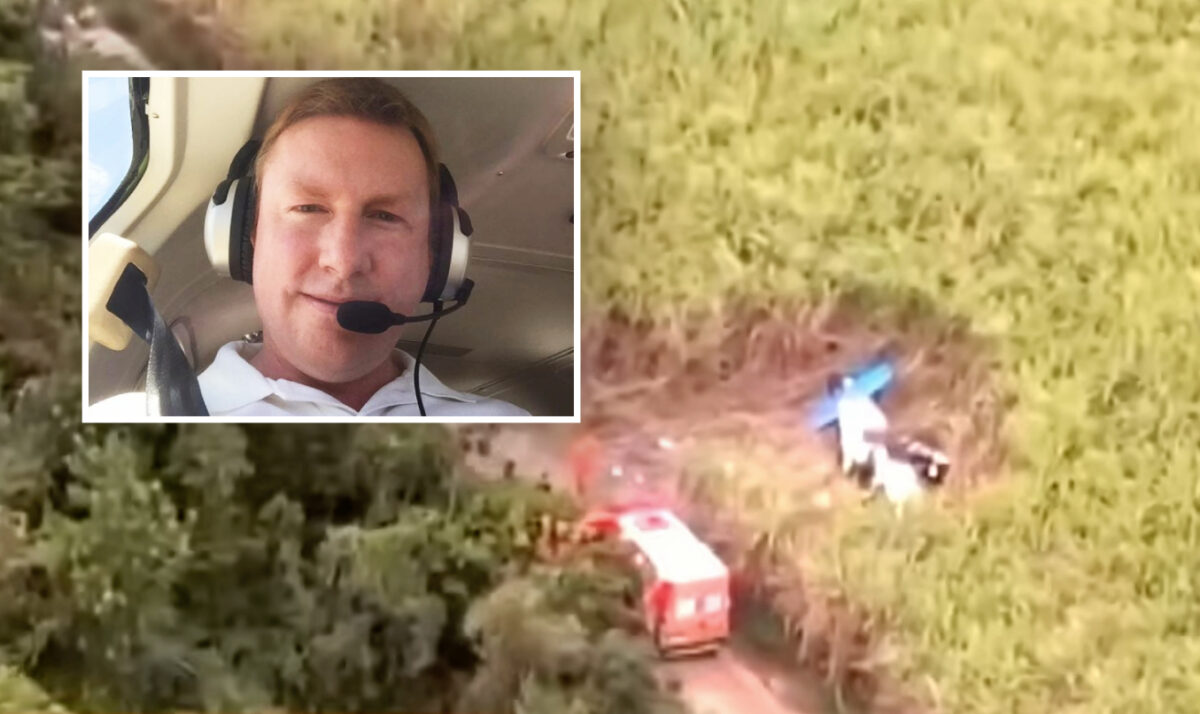
Bellingcat revealed last September that the deceased pilot, Timothy James Clark, had links to alleged Kinahan cartel associate Oliver Andreas Herrmann, a German national who is facing charges over the importation of 200kg of cocaine to Australia in December 2024.
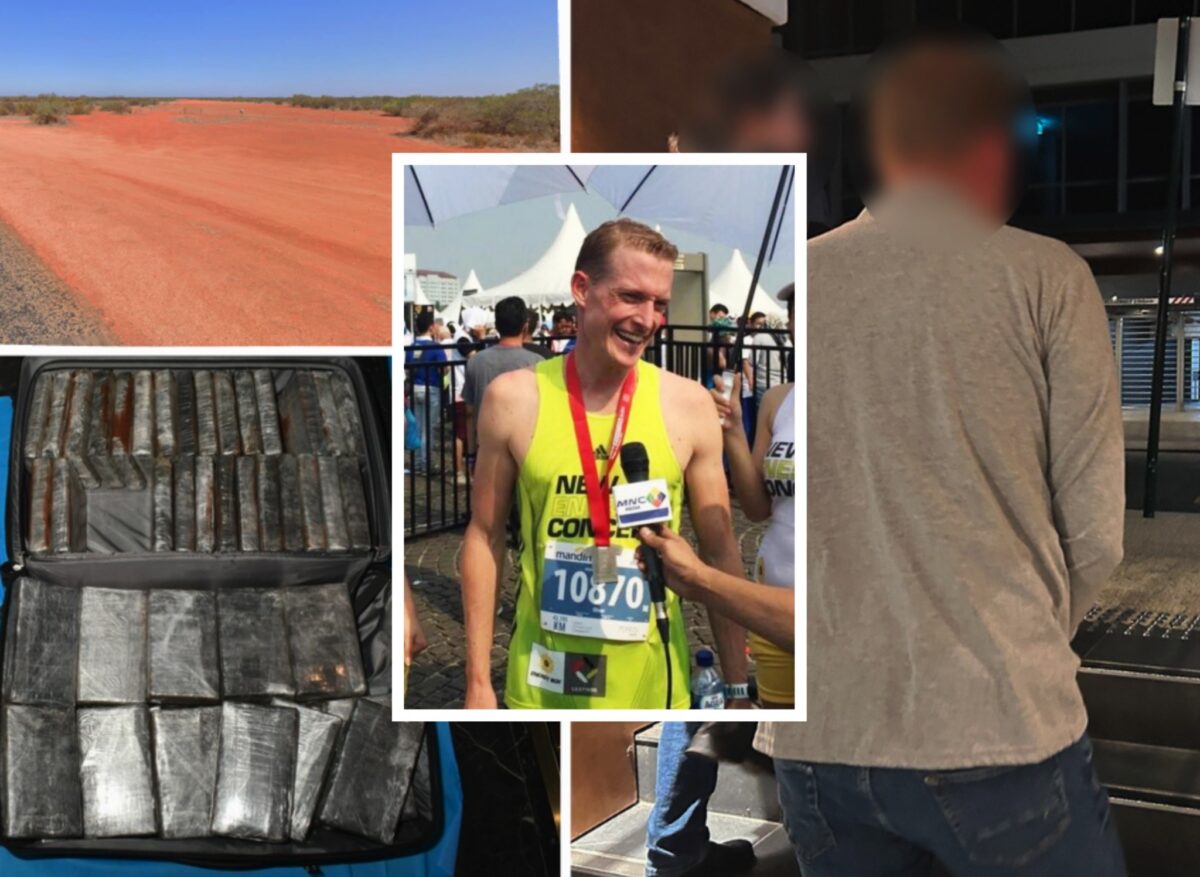
The Australian Federal Police (AFP) said Herrmann allegedly met a “small aircraft” at the Overlander Airstrip in Western Australia the day before he and another man were arrested. The AFP did not disclose the make and model of the aircraft, but said it had not seized the plane as part of its investigation.
Bellingcat first reported the links between Clark and Herrmann after Clark’s small plane, a single-engine Sling 4 TSi, crashed in Coruripe on the southern coast of the Brazilian state of Alagoas in September 2025. The body of the former Melbourne stockbroker was found at the wreckage along with about 200kg of cocaine.
Now, police investigating the trafficking network in Brazil have connected Clark to the alleged drug drop in Australia nine months earlier.
In an interview with Bellingcat this week, Brazil’s Federal Police chief in Alagoas, Gustavo Gatto, said he learned about the Kinahan cartel through the AFP. He also said the AFP told his department that Clark had piloted the same small aircraft to the remote airstrip north of Perth in 2024.
“The Australian Federal Police, they reached out to us … and passed along a report from their Operation Mirkwood. Two people were arrested in Australia, right after receiving 200kg of cocaine, which had been delivered by Timothy Clark himself in the same plane.”

Gatto said the small plane had been modified for long-haul flights and carried additional fuel tanks, giving it an extra 500 litre capacity.
He said that in December 2024, Clark flew the plane across the Atlantic Ocean from Brazil to South Africa, made a refueling stop in Madagascar, and then crossed the Indian Ocean to Western Australia. It is unknown how many times the aircraft had performed this long-distance smuggling operation but Gatto confirmed that Clark had flown the South Africa to Brazil leg “on other occasions”.
He added that the aircraft’s GPS showed a 26-hour direct flight from South Africa to Brazil immediately before Clark’s fatal crash (Bellingcat previously reported that Clark lived in South Africa). Gatto believes Clark was preparing to fly the 200kg of cocaine supplied in Alagoas to Australia, as he had done in 2024.

Gatto told TV Pajuçara this week that investigators initially thought they were dealing with a local drug trafficking network but learned through the AFP of the “new trafficking route” using small planes. “We didn’t imagine the plane was flying directly to Australia,” he said.
“When we analysed the aircraft’s GPS and other investigation data, especially the information we received from the Australian Federal Police, we discovered that the pilot was actually flying from Brazil to Australia in that aircraft.”
Asked whether this drug trafficking route had continued after Clark’s death, Gatto told Bellingcat it was “very likely” that other pilots were now making the trip. “I have no reason at all to believe that it has ended,” he said. “We know this Brazil-Australia route is highly lucrative.”
Revelations of the new trafficking route emerged when the Brazilian investigation, codenamed Operation Fuselo, culminated in a multi-state police action. Authorities seized almost one tonne of drugs, raided properties and arrested 10 people, some of whom have records linking them to Brazil’s largest organised crime group, Primeiro Comando da Capital (PCC).
Brazilian police also seized a second aircraft last week as part of the investigation. Gatto told Bellingcat this aircraft, a single-engine Cessna 172M Skyhawk, was part of a “licit” aerial advertising company, called AeroBanner Propaganda Aérea, that they believe Clark could use as a cover story for his flights in and out of Brazil. While the aircraft was used for legitimate flights, Gatto said, on one occasion Clark asked a trainee pilot to fly to another state with the plane’s transponder turned off, which he said was an indication of potential illicit activity.
The transoceanic cocaine runs were not captured on tracking sites including Flightradar24, but the beginning and end of a 26-hour trip from South Africa to Recife in Brazil was recorded in May 2023. Flight tracking database ADS-B Exchange shows the trip started at Upington Airport in the Northern Cape, South Africa, more than 6,000km from its destination across the Atlantic. This appears to be the first time the aircraft travelled to Brazil.
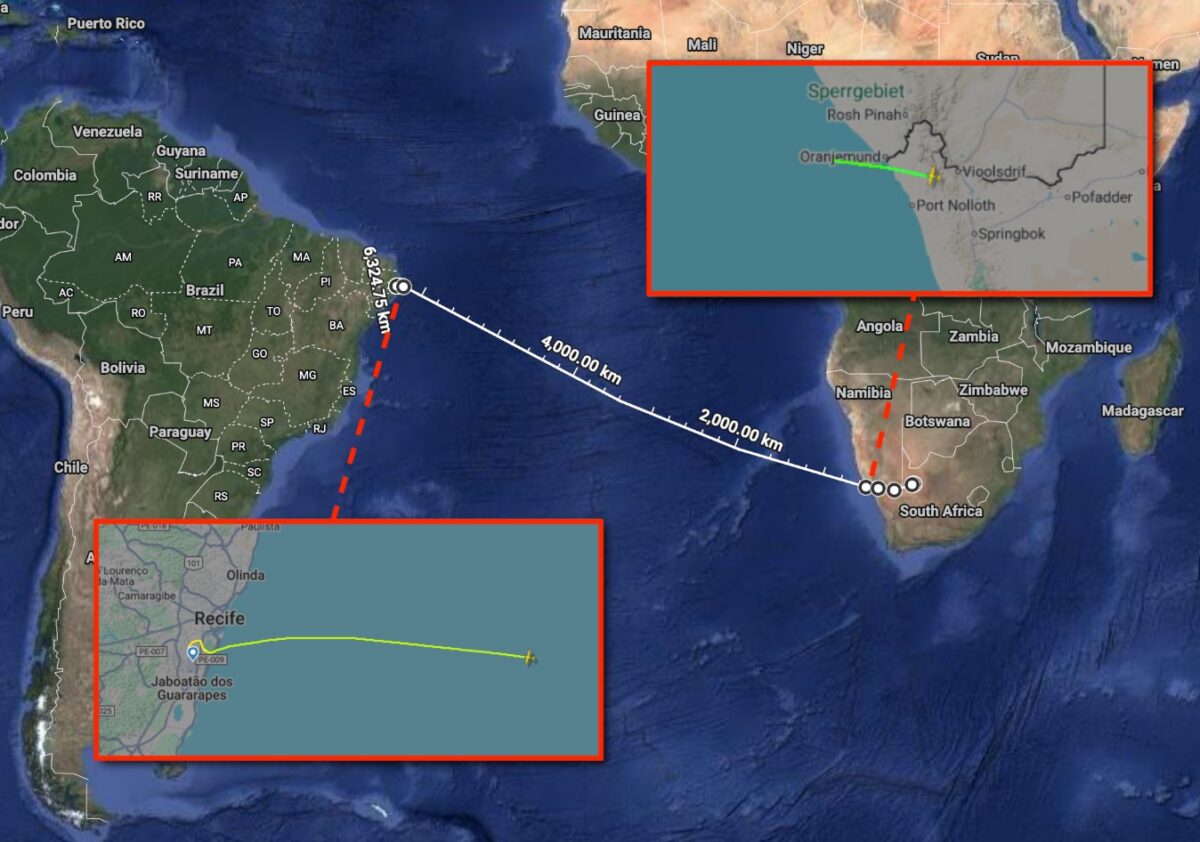
While the 2023 flight was underway, a container ship called the MV Honmon was also travelling from Africa to Brazil. Tracking data from Global Fishing Watch shows the vessel reached a port in northern Brazil two days after Clark landed in Recife, 700km away.
In mid August, while the newly renamed MV Matthew was docked at the Caribbean island country of Curaçao, Clark’s Sling 4 TSi flew from Brazil to Barbados, also in the Caribbean.
Several days later, the MV Matthew had left Curaçao and began disguising its position by broadcasting a false location. On August 27, Clark posted a Tripadvisor review for a restaurant in Barbados, declaring it a “Wonderful spot”. His aircraft was tracked leaving the Caribbean country the next day, weeks before the MV Matthew was seized off the Irish coast carrying two tonnes of cocaine.
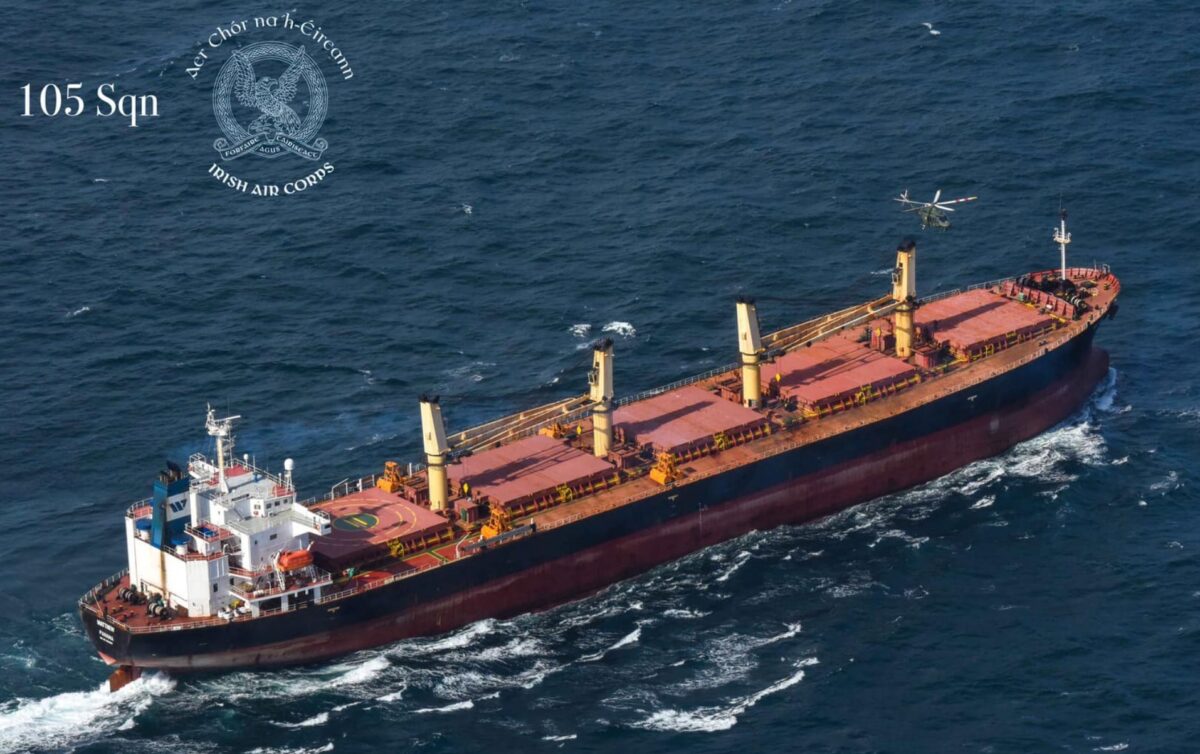
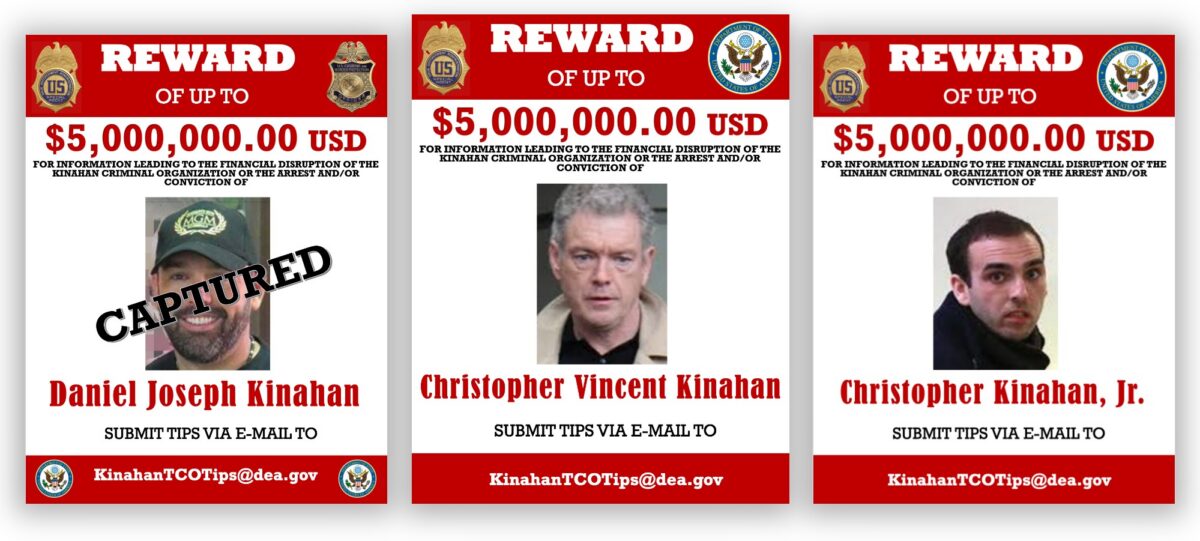
The Sunday Times has previously linked the cocaine haul to the Kinahan Organised Crime Group, a $1.5 billion transnational network involved in drug trafficking, money laundering and arms smuggling. It reported that the Kinahan cartel acted as a broker in pulling the shipment together, but also planned to oversee the sale of a large portion of the drugs. Irish police also suspect Hezbollah may have played a role in the conspiracy.
The AFP charged Oliver Andreas Herrmann and Melbourne man Hamish Scott Falconer with trafficking a commercial quantity of a controlled drug in December 2024 after a search of their hotel rooms uncovered 200kg of cocaine worth an estimated AUD $65 million. Both men are due to face court next month.
A spokesman for the AFP said it could not comment while matters were before the courts.
Connor Plunkett, Peter Barth, Beau Donelly, Miguel Ramalho and John Mooney contributed to this article.
Bellingcat is a non-profit and the ability to carry out our work is dependent on the kind support of individual donors. If you would like to become a member and support our work, you can do so here. Subscribe to our Newsletter and follow us on Bluesky here, Instagram here, Reddit here and YouTube here.
如有侵权请联系:admin#unsafe.sh