
PHP Core Remote Code Execution Vulnerabilities (PHP2Shell)CVE-2026-109618 and CVE-2026-1096 2026-10-21 14:50:44 Author: horizon3.ai(查看原文) 阅读量:59 收藏
PHP Core Remote Code Execution Vulnerabilities (PHP2Shell)
CVE-2026-109618 and CVE-2026-109619, publicly referred to as PHP2Shell, are critical vulnerabilities in PHP that can allow unauthenticated remote code execution. PHP released security updates on October 21, 2026. The project identifies PHP installations serving web requests as at risk, with the highest risk associated with Apache mod_php. Exploitation requirements vary by vulnerability and deployment.
Technical Details
CVE-2026-109618: Remote Code Execution via Out-of-Memory Corruption
PHP’s handling of out-of-memory errors can interrupt execution while internal request memory is only partially initialized. Request cleanup may subsequently process that invalid state, enabling remote code execution with the web worker’s privileges.
PHP validated unauthenticated remote code execution over HTTP against Apache mod_php, where request parsing can trigger the vulnerability before application code runs. PHP-FPM is also considered susceptible, although the advisory does not report a complete demonstrated FPM exploit for this vulnerability.
CVE-2026-109619: Remote Code Execution via Stale Global State
PHP workers can retain references to request-owned memory after that memory has been freed. A subsequent request handled by the same worker can access the stale state before normal initialization resets it, causing use-after-free and potentially remote code execution.
PHP validated remote code execution through session lifecycle paths against mod_php and PHP-FPM. The validated FPM path requires a suitable application operation followed by a fatal error and a subsequent request reaching the same worker. Successful exploitation runs code with the web worker’s privileges.
The advisories document demonstrated exploitation. Those demonstrations do not, by themselves, establish exploitation in the wild.
Stop Guessing, Start Proving

NodeZero® Proactive Security Platform Rapid Response
A NodeZero Rapid Response is being investigated to safely validate whether these vulnerabilities can be exploited in your environment.
- Patch immediately: Upgrade to a fixed PHP release or install vendor-provided packages containing the fixes.
Affected Versions & Patch
Affected
For the supported PHP branches, both advisories identify releases before the following fixes:
| PHP branch | Affected versions | Fixed version |
| 8.2 | Earlier than 8.2.35 | 8.2.35 |
| 8.3 | Earlier than 8.3.36 | 8.3.36 |
| 8.4 | Earlier than 8.4.27 | 8.4.27 |
| 8.5 | Earlier than 8.5.12 | 8.5.12 |
The conditions required to exploit individual paths vary by PHP version, configuration, application behavior, and deployment.
Fixed
Upgrade to PHP 8.2.35, 8.3.36, 8.4.27, or 8.5.12, or install distribution or LTS vendor packages containing the fixes.
PHP 8.1 and older remain unsupported upstream. However, the PHP security team provided minimal source backports for PHP 7.4, 8.0, and 8.1. Organizations using older branches should confirm applicable fixes with their distribution or LTS provider or migrate to a supported release.
Mitigations
Applying the complete patches is the only complete remediation. PHP documents configuration measures that reduce exposure to specific attack paths, but none fully protects an unpatched installation. Follow the vulnerability-specific guidance in both advisories if updating must be delayed.
Timeline
- October 20, 2026: PHP announced an upcoming security release addressing two critical vulnerabilities.
- October 21, 2026: PHP published the technical advisories and released PHP 8.2.35, 8.3.36, 8.4.27, and 8.5.12 to address both vulnerabilities.
References
Read about other CVEs
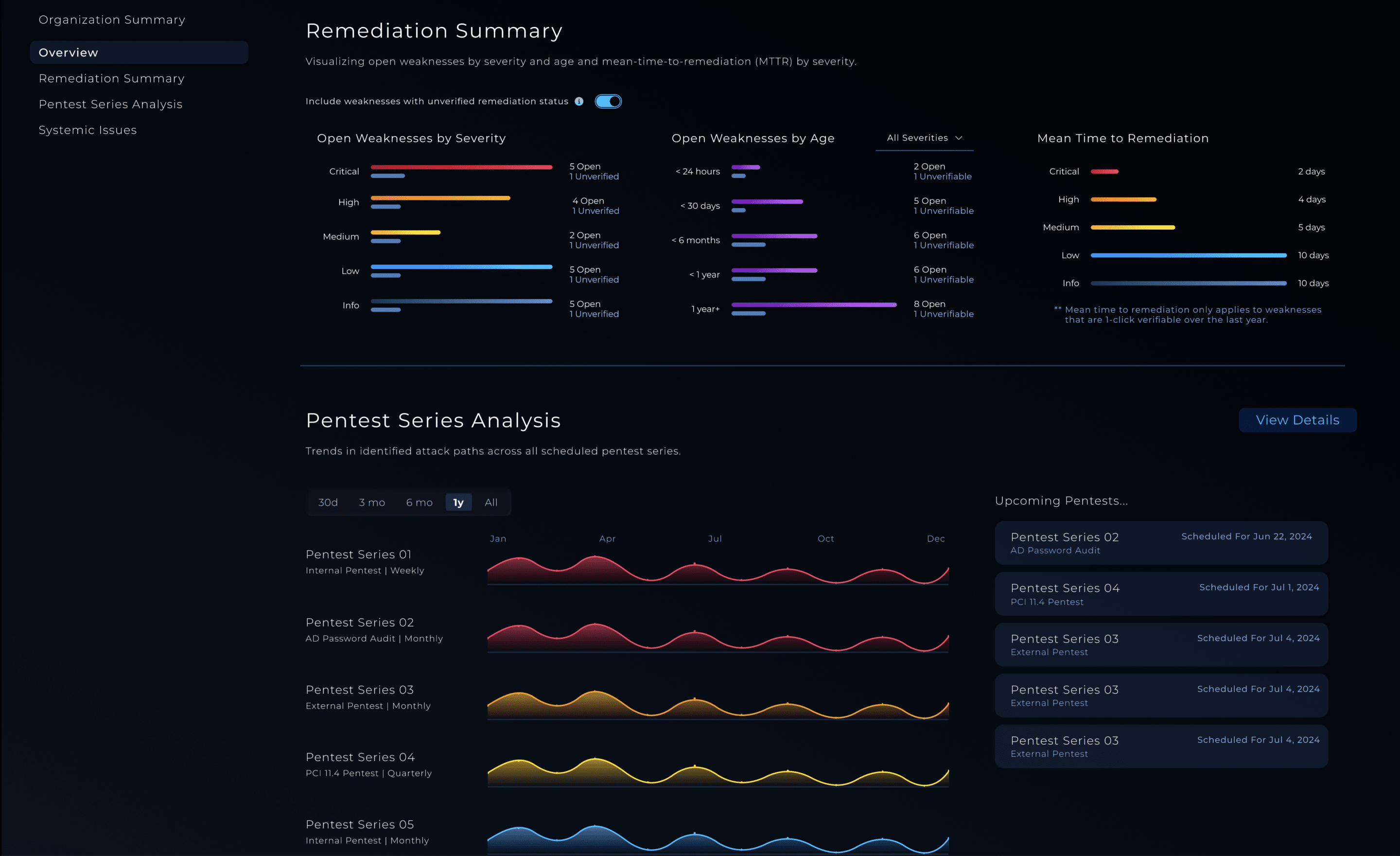
NodeZero® Platform
Implement a continuous find, fix, and verify loop with NodeZero
The NodeZero® platform empowers your organization to reduce your security risks by autonomously finding exploitable weaknesses in your network, giving you detailed guidance around how to priortize and fix them, and having you immediately verify that your fixes are effective.
Recognized By
如有侵权请联系:admin#unsafe.sh