Hi, I'm Josep. I’ve been developing mobile games for the past 14 years, living and coding under the 2026-10-1 20:44:11 Author: hackernoon.com(查看原文) 阅读量:6 收藏
Hi, I'm Josep. I’ve been developing mobile games for the past 14 years, living and coding under the sun in Spain.
For my new game, Morning Words (shipping for Shipaton 2026), I wanted a clean, straightforward ad setup: show ads without annoying players, protect my real-money shop sales, and keep the game fun to play.
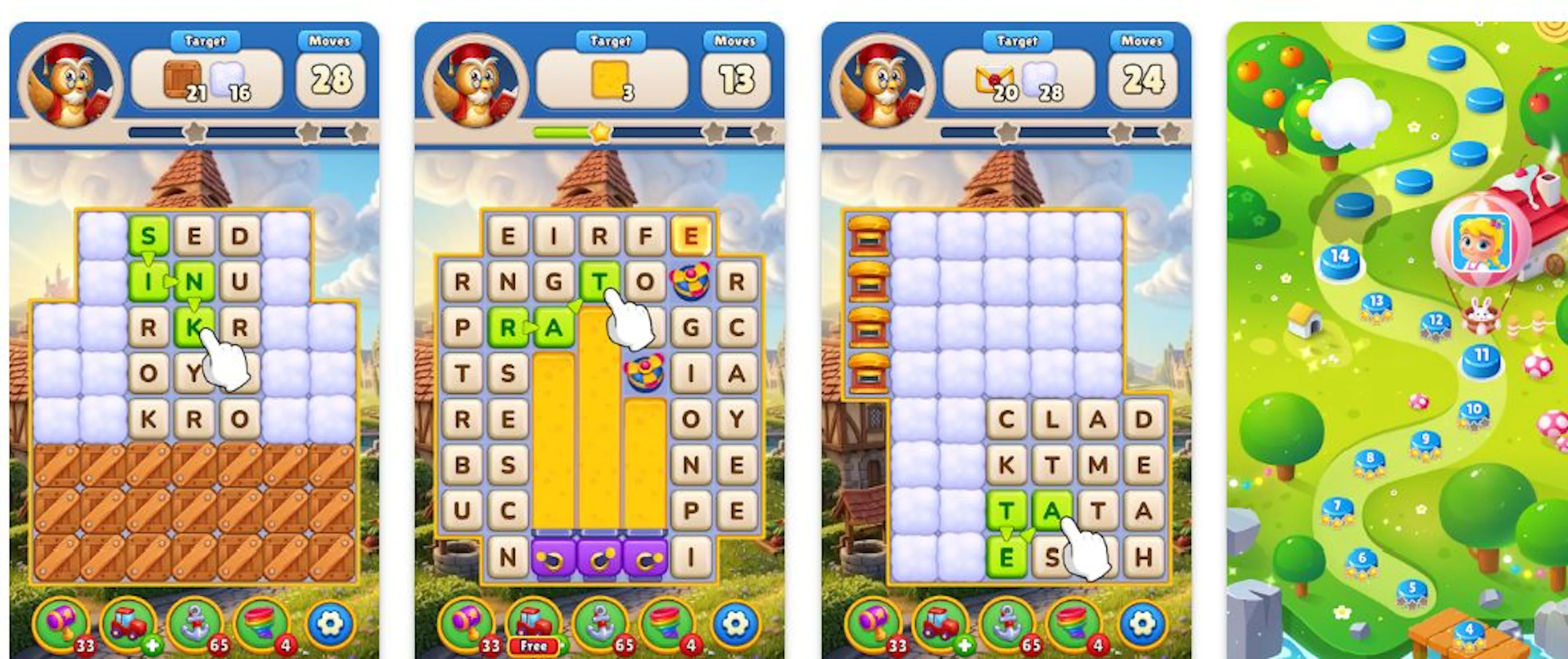 Morning Words is a cozy word puzzle game where players connect adjacent letter tiles to clear goals like crates, cheese, and grass across a colorful saga map.Designed as a relaxing morning brain workout, it pairs classic word-search mechanics with casual progression and smart, player-first monetization.
1. The Ad Placements: Where and When Ads Show Up
In Morning Words, ads are divided into three clear categories:
- Banners: Shown at the bottom of the screen, but only after Level 9 so new players have a clean, distraction-free first session.
- Interstitials: Full-screen ads shown between levels (never during active puzzle solving).
- Rewarded Videos: Completely opt-in videos where players choose to watch an ad in exchange for in-game perks like extra moves or doubling their level coins.
‘2. Why I Moved the Rewarded Ad Out of the Shop
In many mobile games, you open the coin shop and see a button: "Watch an Ad for 50 Free Coins".
It sounds innocent, but from a design perspective, it is a huge trap.
The IAP Cannibalization Problem
When a player taps the Shop button, they have buying intent. They are actively thinking about spending $1.99, $4.99, or more.
If you put a free video ad right in front of them, you give them an easy way out. Instead of buying a $2.99 coin pack, they tap the free ad, get a few coins, and leave. You just traded a $3 purchase for a 2-cent ad impression!
What I Do Instead: The Post-Exit Offer
1. Inside the Shop: Clean and premium. Only real-money packs powered by RevenueCat. No ads to distract the player.
2.After the Shop Closes: If the player leaves the shop without buying anything and still needs coins to continue, I can show a rewarded ad offer after they return to the game screen.
This protects cash sales from paying players while still giving non-paying players a way to progress.
3. The Interstitial Flowchart (How Between-Level Ads Work)
I don't show an interstitial after every single level. That drives players crazy and makes them delete the game. Instead, I use a simple decision flow:
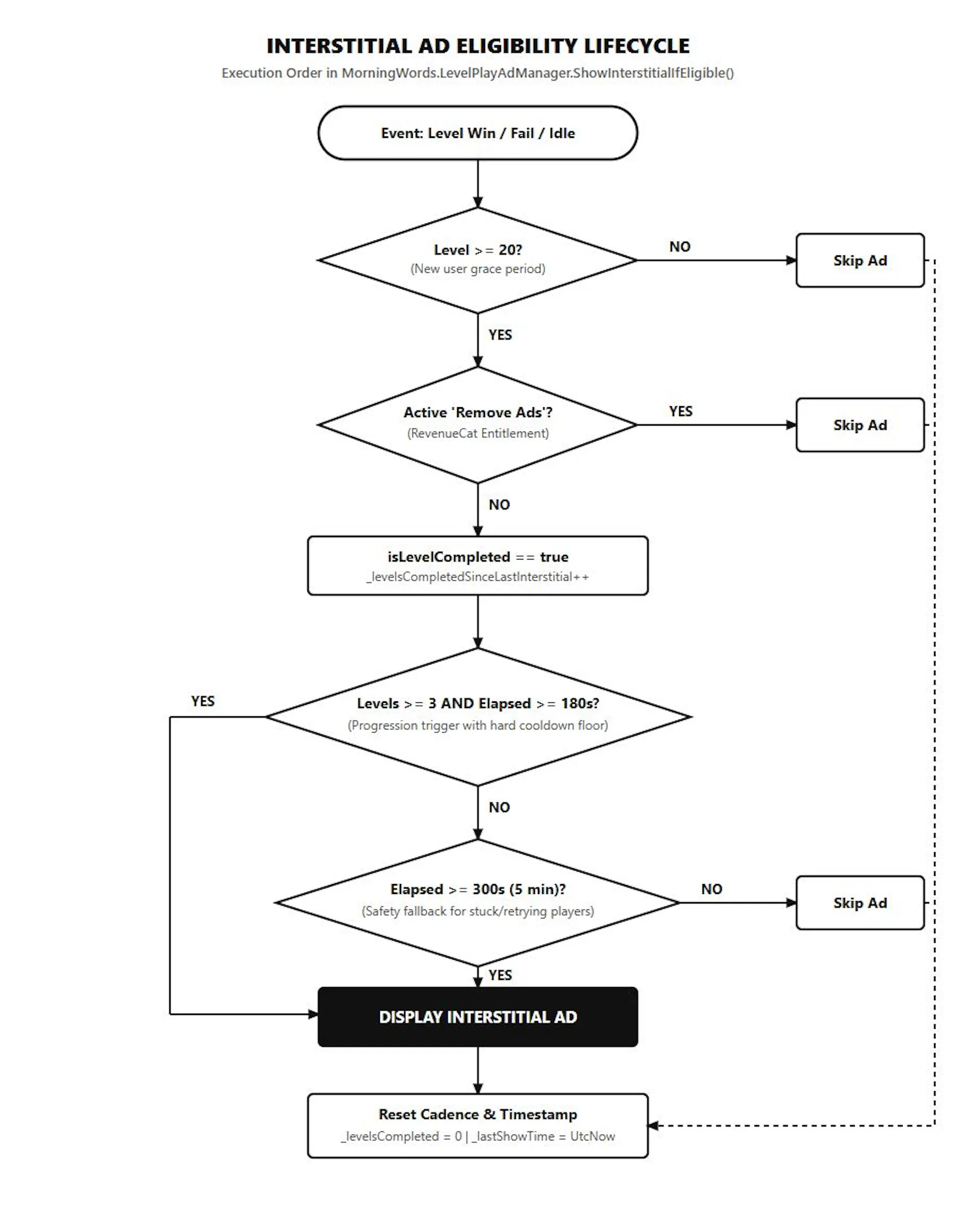 Figure 1: Unity lifecycle-style flowchart for between-level interstitial eligibility.
The Simple Rules:
- Grace Period (Levels 1–19): No interstitials. Let the player enjoy the game first.
- Every 3 Levels: Ads only appear after beating 3 levels.
- The 3-Minute Cooldown Floor: If a fast player beats 3 levels in 90 seconds, no ad plays. The game waits until at least 3 minutes have passed. Fast players are never punished.
- The 5-Minute Fallback: If a player is stuck on a hard level for 5 minutes, an ad can play on the next retry so they don't play for 20 minutes without seeing an ad.
4. The Golden Rule: Rewarded Ads Reset Interstitials
Here is one of the most frustrating things that can happen in mobile games:
- You run out of moves at the end of a level.
- You voluntarily watch a 30-second rewarded ad for extra moves.
- You beat the level, tap "Continue" to go to the map...
- BAM! An interstitial ad plays.
That is an immediate recipe for a rage-quit.
"If a player just voluntarily gave you 30 seconds of high-value attention, treat it as their ad for this interval and give them a clean transition to the next level."
Whenever a player finishes watching an end-of-level rewarded video, my code calls a single method:
LevelPlayAdManager.Instance.ResetInterstitialCooldown();
This resets the timer and the 3-level counter to zero.
Here is a neat trick I implemented using an idle detector in Unity (IdleAdPlayer.cs).
Have you ever been playing a puzzle game, put your phone down on the table to make a coffee or answer the door, and left the screen on?
In Morning Words, if the game detects that the screen has been completely untouched for a while (idle state):
- It quietly plays an interstitial ad while the phone is sitting on the table.
- When you walk back to your phone, the ad is already finished, or you simply tap the "X" to return to the game.
Why this works so well:
• **Zero Gameplay Disruption:**The player wasn't actively solving a puzzle anyway.
•Bonus Ad Impression: You monetize idle downtime that would have otherwise generated zero revenue.
Some players try to be smart: when an interstitial starts, they swipe up, kill the game app, and reopen it 5 seconds later to avoid waiting for the ad to finish.
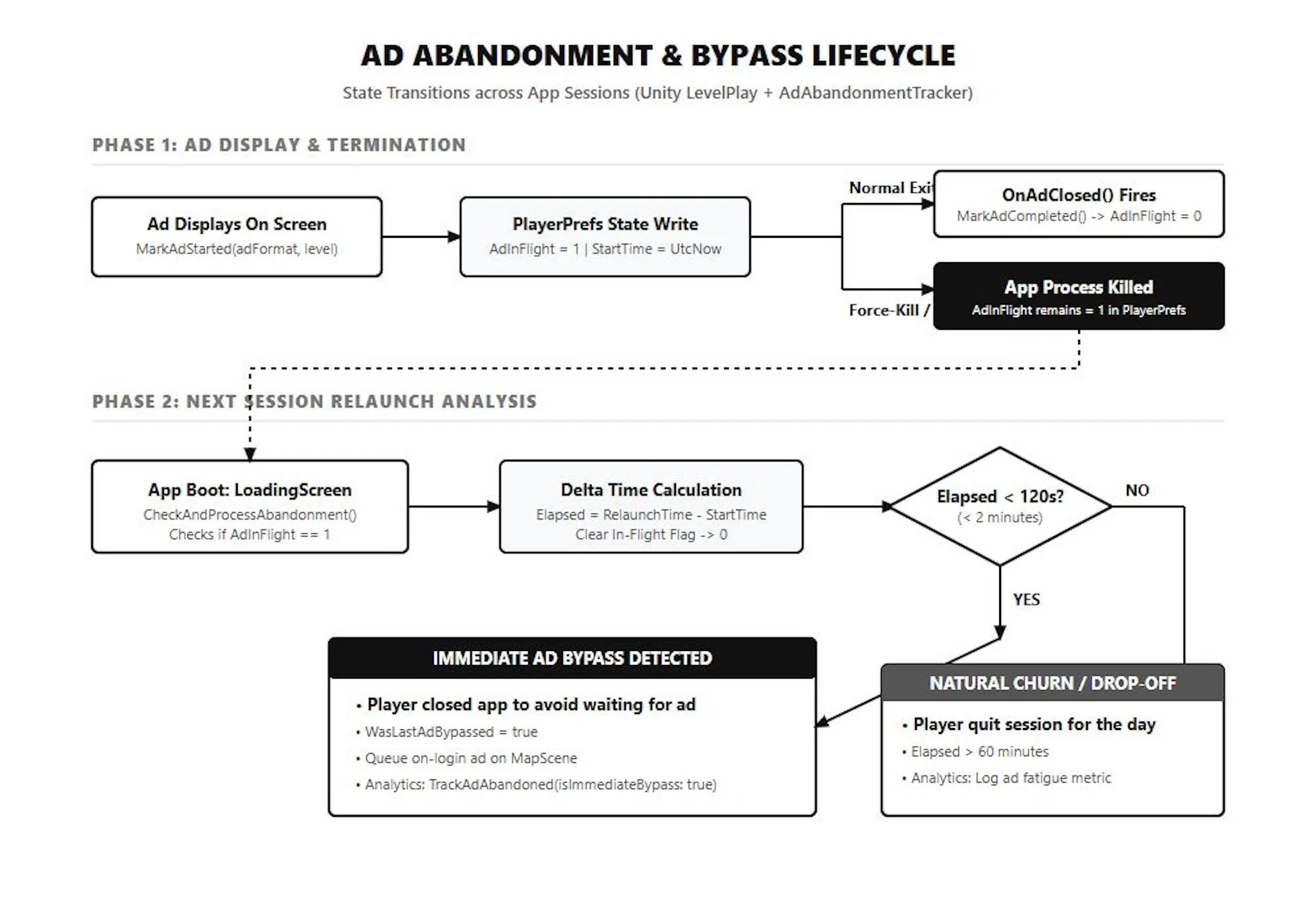 Figure 2: Ad-In-Flight tracking state machine detecting force-close bypasses vs. natural session drop-offs.
To handle this, I created a simple class called AdAbandonmentTracker:
// When the ad opens:
_abandonmentTracker.MarkAdStarted("interstitial", currentLevel);

// When the ad closes normally:
_abandonmentTracker.MarkAdCompleted();
When the app boots on the next session, I check if the ad was left running. If it was, I measure how much time passed:
- Reopened in less than 2 minutes: The player killed the app just to skip the ad! When this happens, I set a flag (
WasLastAdBypassed = true) and can queue an on-login ad on the map screen. Once players realize force-closing doesn't skip the ad, they stop closing the app. - Reopened after 1 hour or more: The player was done playing for the day. This gets logged as a normal session exit so I can watch for ad fatigue in analytics.
7. More Rewarded Placements in the Future
Rewarded ads are beloved by players when the exchange of value is fair. As Morning Words grows, here are the new rewarded placements I'm adding next:
- Daily Streak Multiplier: Watch a quick video to double your daily login reward.
- Free In-Game Hint / Letter Reveal: Stuck on the last word? Watch a rewarded ad for a free magnifying glass booster.
- Second Chance / Revive: Keep your winning streak alive after failing a level.
- Lucky Spin: An extra daily spin on the prize wheel in exchange for an ad.
Summary for Developers
- Don't put free ads inside the shop: Protect your paying players and your IAP conversions.
- Use a minimum time cooldown: Don't punish fast players who rush through levels quickly.
- Let rewarded ads reset interstitials: Never show two ads back-to-back.
- Try the idle technique: Monetize downtime when the player puts the phone down.
- Handle force-close skippers: Detect when players close the app to dodge ads so your game isn't easily exploited.
如有侵权请联系:admin#unsafe.sh