In one of my earlier articles this year, I argued that AI became possible because of the data availa 2026-9-29 15:26:46 Author: hackernoon.com(查看原文) 阅读量:3 收藏
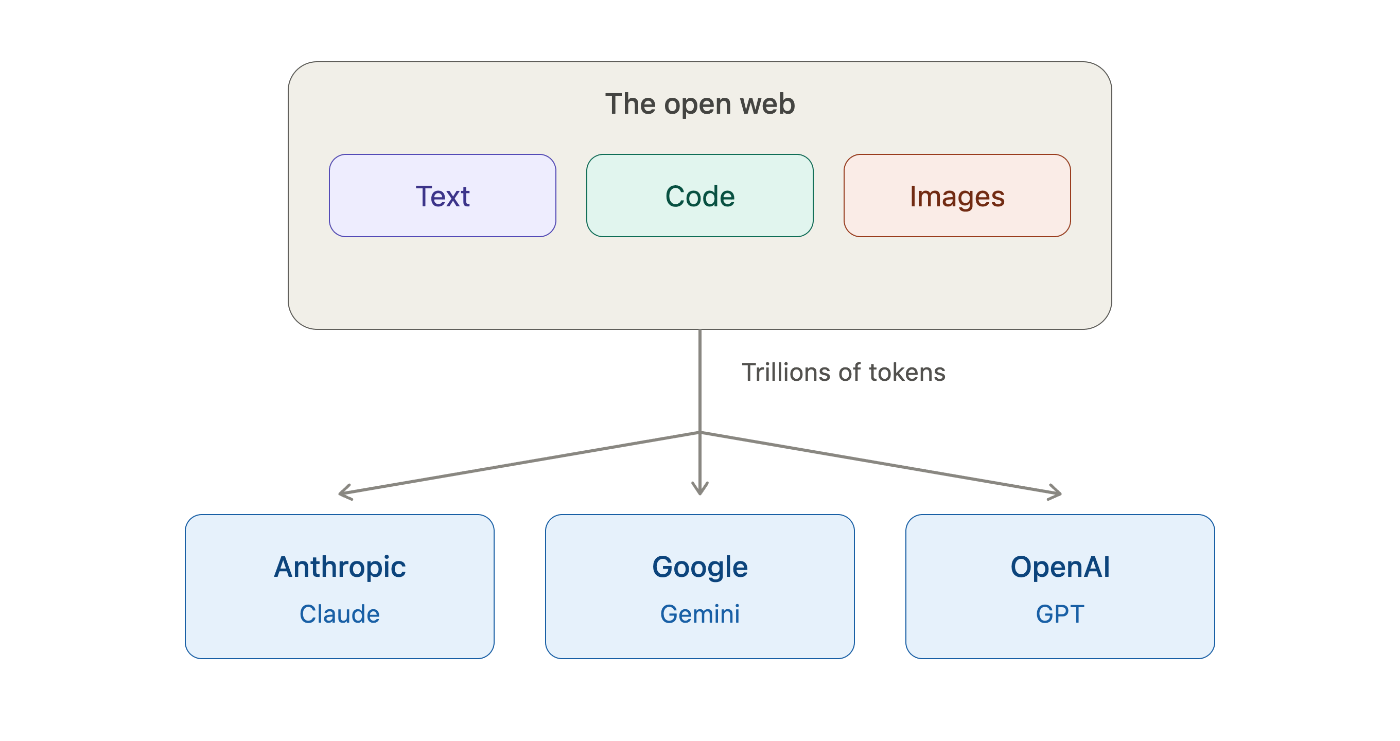
In one of my earlier articles this year, I argued that AI became possible because of the data available on the internet and that we shouldn't stop contributing to it.
The more I think about it, the more I believe this is the single most important fact about AI that gets overlooked in conversations about Africa's place in technology.
The reason AI can work across so many different domains- language, vision, medicine, logistics is simple: there's data for it.
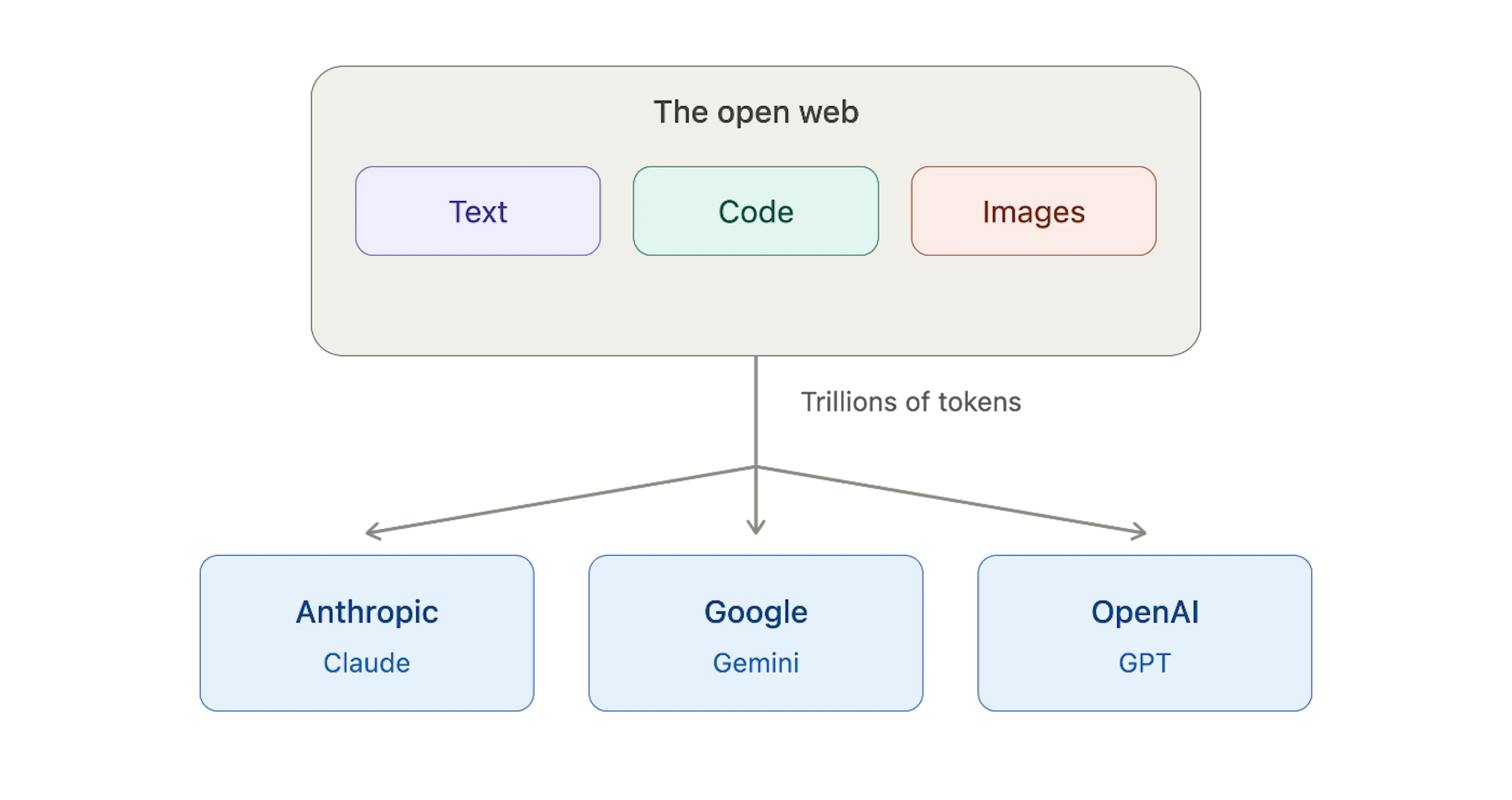
Frontier AI systems are trained on enormous datasets drawn from sources that include the public web, licensed datasets, code, books, images, audio, video, and human- or synthetically generated material. That scale is the foundation everything else is built on. AlexNet, one of the foundational models in image recognition, makes the same point in miniature. It was only possible because of data — 1.2 million labeled images, to be exact. That's a tiny fraction of what today's models use, and it still changed the field forever. The lesson isn't "you need web-scale data to matter." It's "you need enough good data, and right now, enough of it doesn't exist for Africa."
I see this most clearly in the medical field, where I spend most of my time. One of AI's biggest promises is personalized medicine — treatment plans, drug recommendations, and risk models tailored to an individual's genetics, history, and context rather than a generic average. For many African populations, that promise is harder to realize reliably because the datasets used to build and validate precision-medicine tools remain severely underrepresented. The science still applies, but models trained on datasets that contain too little African genomic data, disease patterns, and clinical outcomes are less equipped to produce reliable, locally relevant recommendations.
While Nigeria faces real infrastructure hurdles: power stability, compute access, and high connectivity costs. We can still position ourselves for the AI age by focusing on what we can build today: structured, homegrown data.
Consider national demographics. Nigeria’s last official population census was conducted in 2006. In healthcare, countries like South Africa lead HIV research and resource allocation partly because their robust testing and digital tracking protocols provide clear, actionable data. In contrast, paper-based record-keeping across many Nigerian institutions leaves critical gaps in national health trends.
Data collection directly impacts daily life. In 2026, Nigeria battles severe challenges with counterfeit drugs and fake goods. Data can also support the fight against counterfeit products. An AI system designed to identify fake medicines, drinks, or other consumer goods would require verified examples of genuine and counterfeit products, packaging images, batch numbers, barcodes, registration details, and expert validation. Such a system could assist regulators and consumers, but it would still require human oversight and should not be treated as absolute proof of authenticity.
Nigeria’s challenge is therefore not simply to “build AI.” It is to build the data systems that make useful and locally relevant AI possible.
This means moving beyond basic digitization. The country needs reliable data collection, interoperable systems, secure storage, privacy protection, skilled personnel, and clear rules governing who can access data and how it can be used. Data from Nigerian communities should not merely be extracted by foreign institutions; Nigerians must also participate in its collection, ownership, interpretation, and benefits.
Local languages, cultures, markets, health conditions, and social realities must be represented in the datasets used to develop future AI systems. Otherwise, Nigeria risks becoming a consumer of technologies that do not fully understand its people.
Positioning Nigeria for AI must therefore begin with a national data agenda: digitizing essential records, improving data quality, supporting research, connecting public institutions, protecting citizens’ privacy, and making responsibly anonymized data available for legitimate innovation.
Data is not the only foundation of artificial intelligence. But without reliable, representative, and responsibly managed data, Nigeria’s AI ambitions will remain limited.
Before Nigeria can build the intelligent systems of tomorrow, it must begin collecting, protecting, and making meaningful use of the data of today.
如有侵权请联系:admin#unsafe.sh