Once you’re inside the crypto community, you’re going to read or hear this a lot: Not your keys? Not 2026-9-17 20:6:0 Author: hackernoon.com(查看原文) 阅读量:21 收藏
Once you’re inside the crypto community, you’re going to read or hear this a lot: Not your keys? Not your coins. The whole point of cryptocurrencies is actually not trading or speculation, but freedom and autonomy. If you control your private keys or seed phrase, then you have full ownership of your assets, and no one can change that. No government, no company, no individual. That’s what a self-custody crypto wallet is for.
By using this type of wallet, which may be an app or physical device, you can keep your coins only within reach of your own hand. It’s a tool that lets you store and manage your cryptocurrencies while keeping control of your own
There are tons of brands in the field, by the way. So, what should you be looking for in them to pick a good one?
Security and Transparency
Security is, of course, essential. Any crypto-related product must be as secure as possible, and self-custody crypto wallets need to fulfill this requirement even more. If you have a candidate in mind, never skip
If it's an app, make sure it's the real version and not a malicious imitation (phishing). According to
, only MetaMask, one of the most popular self-custody wallets, recorded over 253,000 phishing attempts in 2026. Always check the number of downloads, the date it was added to the app store, and past reviews before downloading.

With the legitimate version in hand, we can tell you that you should opt for open-source self-custody crypto wallets. This means that anyone can view their source code and detect anything suspicious (like a backdoor designed to steal your funds, if any). Besides, public code allows developers and security researchers to inspect how the software works and report problems before they become bigger concerns. It also helps to check whether the wallet receives regular updates.
It doesn't matter if you're not a programmer: there are user-friendly tools, like
Now, remember that no self-custody wallet can replace good security habits. Keeping software updated, using strong passwords, and protecting recovery phrases all reduce the
Using Your Self-Custody Crypto Wallet
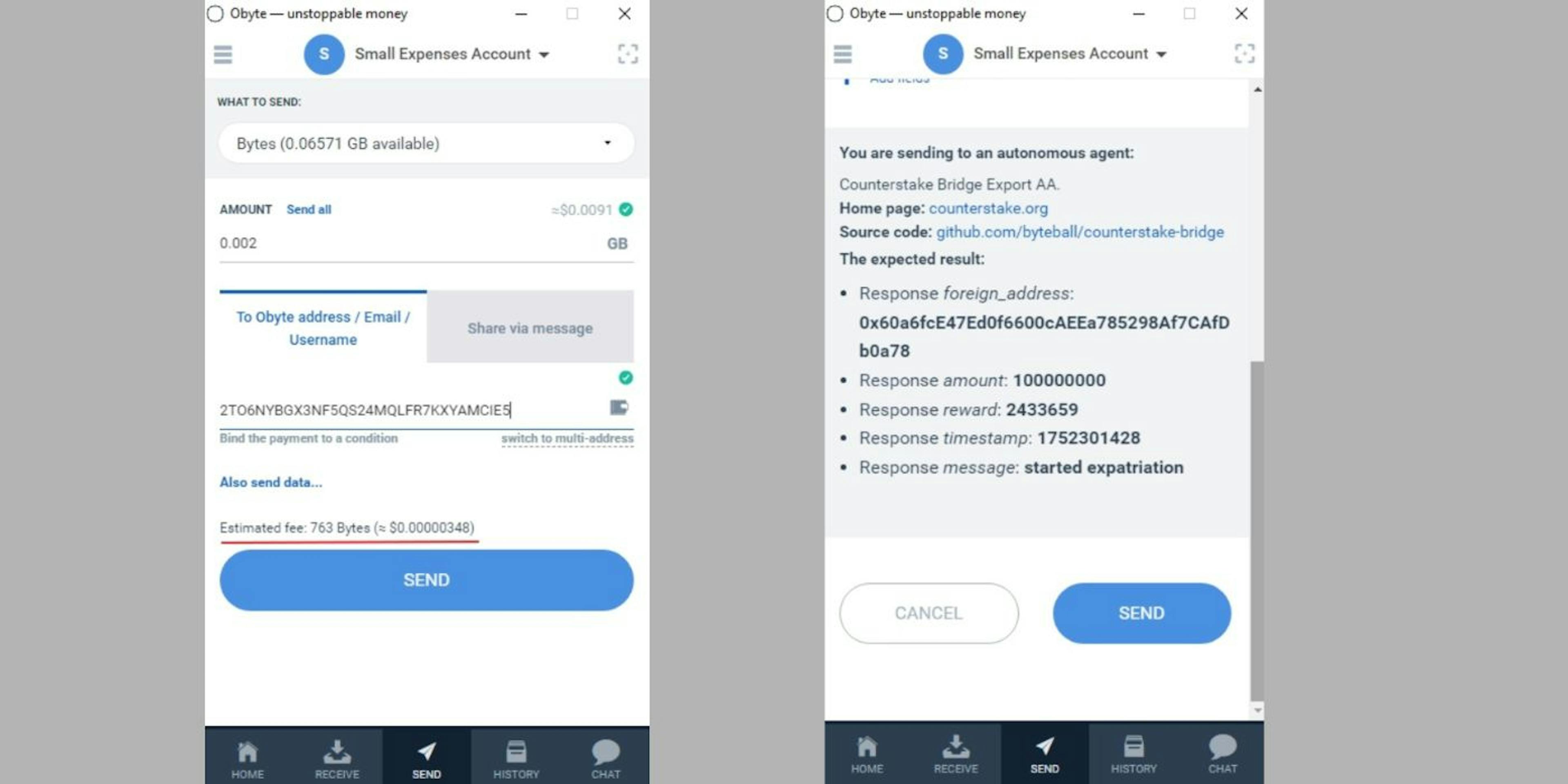
Well, security is paramount, but you should also be able to just… use your own wallet, as easily as possible. A clean interface makes learning less stressful, which is good news for anyone entering crypto for the first time. Sending or receiving cryptocurrency should take only a few simple steps, with clear transaction details that help avoid costly mistakes —
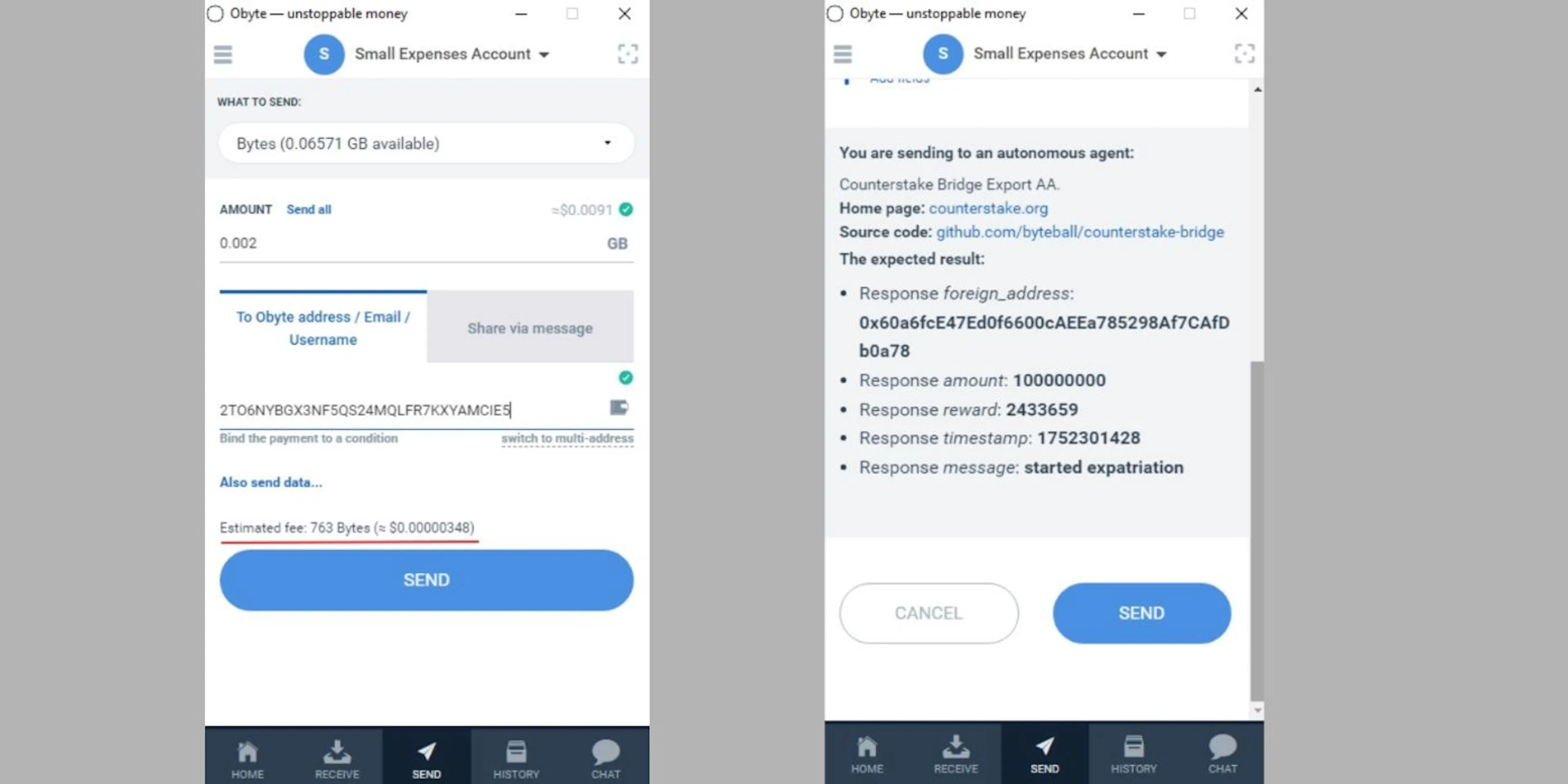 Obyte Transaction Previews
Compatibility is another useful point to check. Some self-custody wallets support only one or a handful of coins, while others handle hundreds of tokens across different networks. People interested in DeFi,
In the end, the best choice of a self-custody wallet depends on personal goals. Someone holding crypto for years may value different features than a trader making daily transactions or a collector browsing digital art. Spending a little extra time comparing wallets, reading feature lists, and understanding recovery options can make your future crypto adventures much smoother.
如有侵权请联系:admin#unsafe.sh