Open any L2 today, and the view is the same; on the whitepaper, we see fractions of a cent per trans 2026-9-15 13:0:39 Author: hackernoon.com(查看原文) 阅读量:19 收藏
Open any L2 today, and the view is the same; on the whitepaper, we see fractions of a cent per transaction, instant swaps, and airdrops for showing up early. It feels like the industry finally cracked free infrastructure, but it didn’t.
Cheap execution, “free” points programs, and sub-cent fees are not the absence of cost. In my opinion, they’re cost that have been moved somewhere less visible. This piece follows the money through three places it likes to hide: rollup sequencers, airdrop farming, and token unlock schedules.
The Sequencer Tax
Every rollup needs someone to order transactions and post data back to Ethereum. That someone is the sequencer, and in 2026 the sequencer business is one of the best margin structures in crypto (for the operator, not the user). Since Ethereum’s Dencun upgrade cut the cost of posting rollup data to the base layer by ~90%, the spread between what users pay in fees and what it actually costs to settle their transactions has widened significantly.
Base, run by Coinbase, has been reported to post daily sequencer revenue in the neighborhood of $185,000, with priority fees making up the overwhelming majority of that figure. Industry trackers now estimate Base alone captures more than 60% of total L2 revenue across the entire Ethereum rollup ecosystem, with Base and Arbitrum together controlling around three-quarters of L2 DeFi activity.
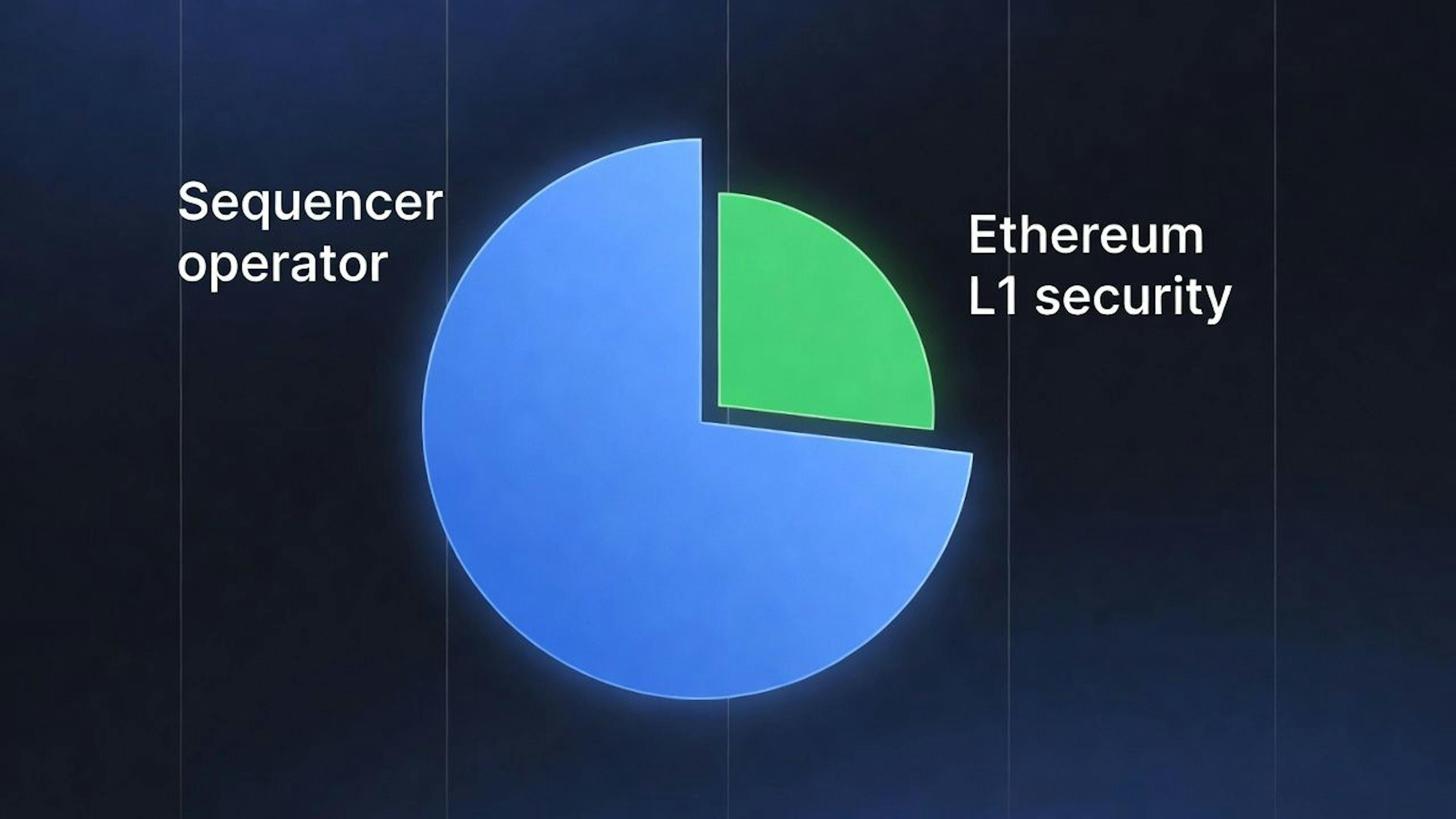
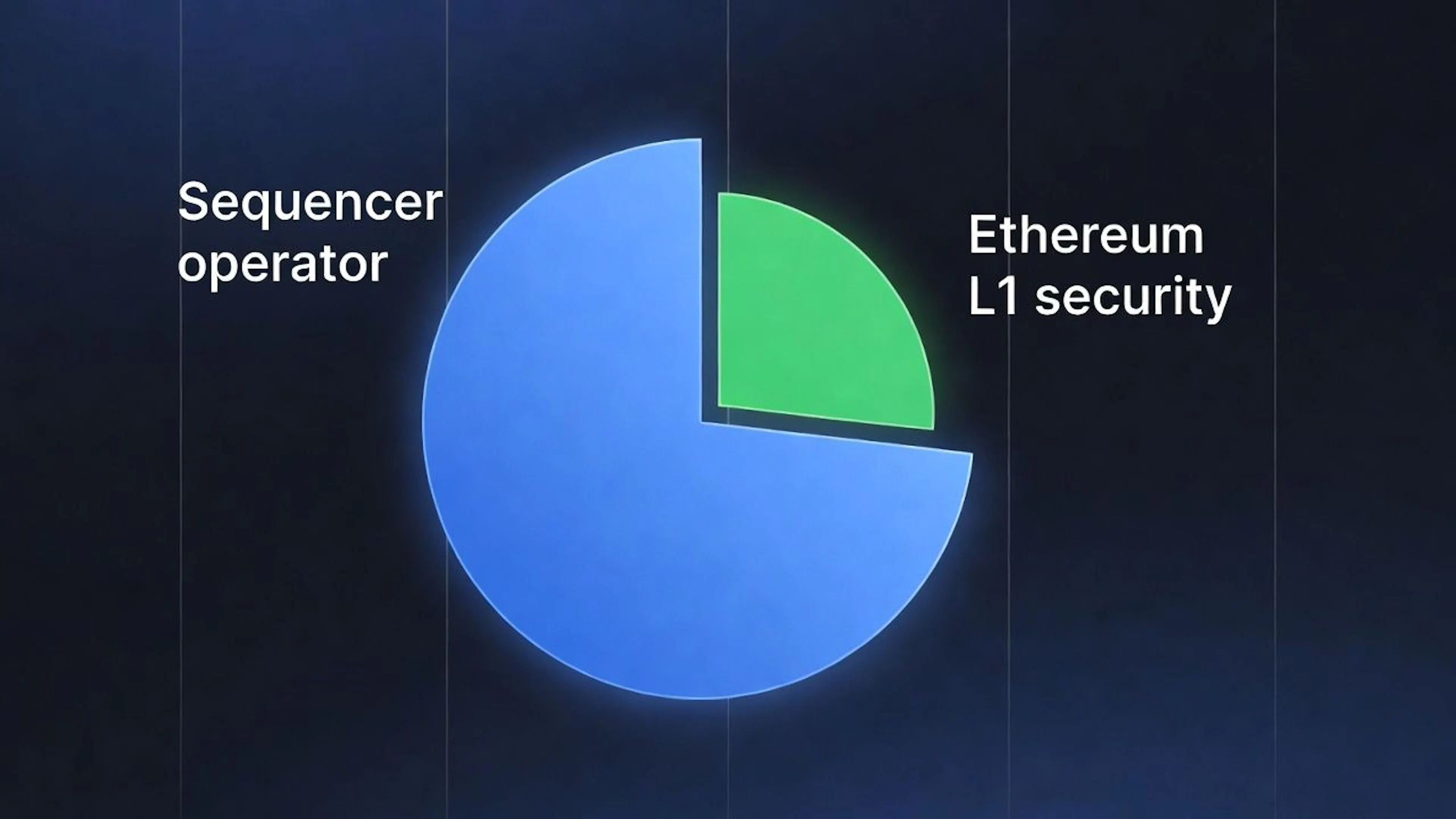
Meanwhile, the amount of that revenue actually flowing back to Ethereum (the chain whose security the rollup is renting) has collapsed. Analysts tracking Base’s blob-fee payments found that a chain generating tens of millions of dollars a year in sequencer revenue returned only a low single-digit percentage of it to L1 in data-posting fees.
That gap between what a rollup earns and what it pays for the security it depends on is the real subsidy structure of the L2 era: users get cheap fees, sequencer operators get almost all the surplus, and Ethereum validators get a shrinking sliver. This is not evenly distributed pain, either.
 Where L2 fee revenue goes
Smaller general-purpose rollups without Base’s transaction volume are (by several 2026 industry analyses) operating at a structural loss once you strip away grant funding and incentive programs. It means that their “cheap fees” were never actually covered by fee revenue but by venture funding. Which is why researchers are openly predicting a consolidation wave that leaves a handful of chains standing.
So who pays? In the near term, VCs and foundations funding loss-making chains through grants. In the medium term, whoever is holding the token of a rollup that can’t sustain itself once the subsidy tap closes.
Airdrops: The Sybil Tax And The Mercenary Discount
Airdrops were sold as a way to reward genuine early users. By 2026, they function more like a labor market and the “free” tokens are actually paid for by three different groups, none of whom show up in the marketing.
First, honest farmers subsidize dishonest ones, because points accrual usually lives in a centralized database, teams can and do adjust the rules, and sybil networks can and do fabricate activity. Every fabricated point dilutes the share going to real users, a tax paid by the people the airdrop was ostensibly designed to reward. Farming guides now openly advise treating this as a cost of doing business.
Second, protocols themselves increasingly write off a chunk of the token supply as an acquisition cost, and are explicit about it: airdrop trackers describe farming today as a full-time behavioral exercise requiring months of “wallet narrative” building, deep engagement with a handful of protocols, and active evasion of AI-driven detection. It means that the effective hourly cost of “free” tokens has risen even as expected payouts have shrunk. One widely cited 2026 estimate put the majority of airdropped tokens (on the order of nine in ten) losing value within three months of listing.
Third, and most importantly: retail buyers on the open market subsidize the farmers. Market makers seed initial liquidity at token generation, and farmers (who received tokens essentially for free) sell into that liquidity immediately. The person actually paying full price for the token is whoever buys the other side of that trade on day one.
The airdrop is a transfer from late buyers to early, information-advantaged farmers, laundered through a marketing narrative about “rewarding the community.” None of this makes airdrops worthless as a distribution mechanism but “free” is the wrong word for a system where the cost is simply relocated to whoever shows up last.
If airdrops move cost from farmers to retail buyers, token unlock schedules do something similar between early investors and everyone else, just on a much larger scale and over a much longer horizon. The mechanism is simple as VCs and teams buy or receive tokens at low, pre-market prices, subject to vesting. When the cliff hits, that supply becomes tradable and often against thin order books relative to the size of the release.
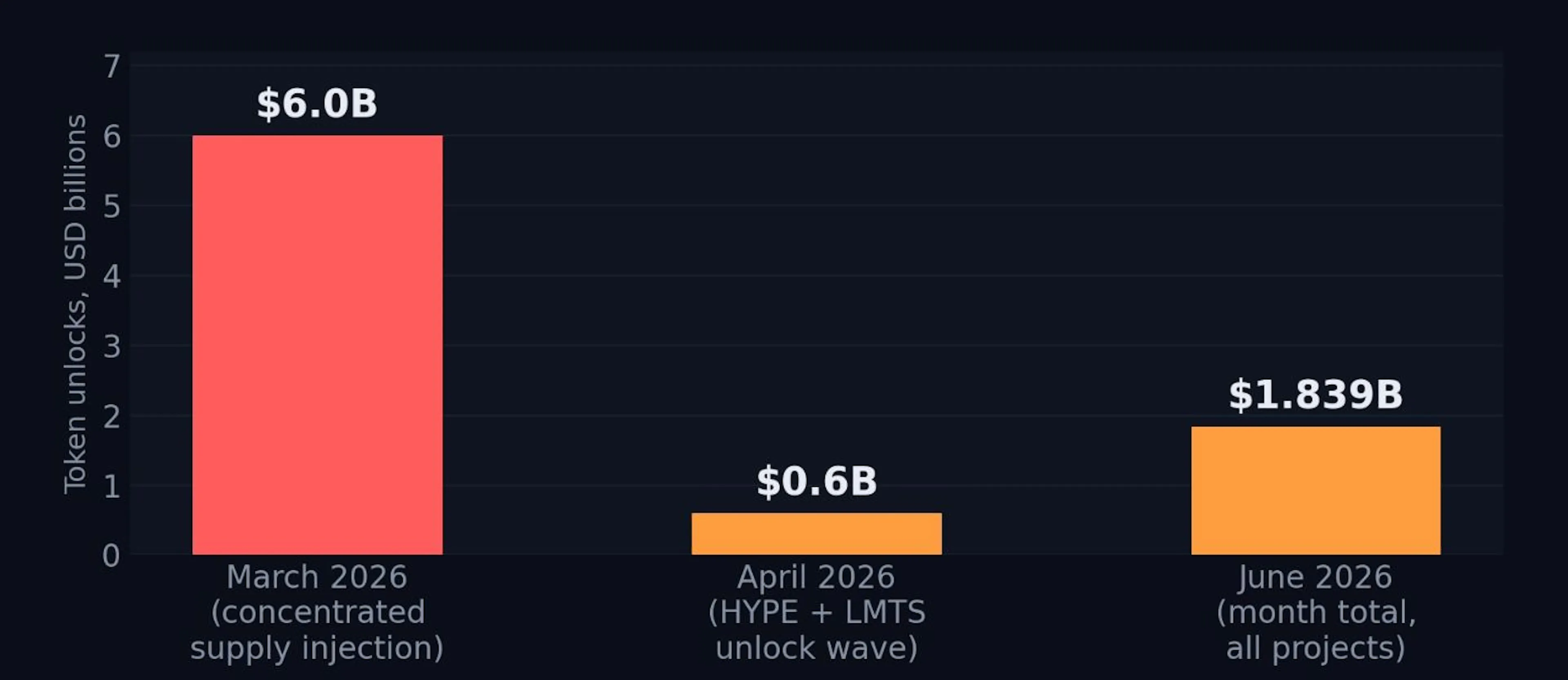
Aggregated tracking of 2026 unlock events shows this happening on an industrial, near-continuous schedule: over $1.8 billion in token unlocks landed in the market in a single month in mid-2026, and March 2026 alone saw a concentrated release on the order of $6 billion.
 Recurring Supply Shocks
Historical data compiled by unlock trackers suggests that the overwhelming majority of biggest unlock events are followed by measurable negative price pressure on the affected token. This is the least-discussed subsidy in the entire stack, because it looks like a normal, disclosed vesting schedule. But functionally, every dollar a retail buyer pays for a token above its early-round price is, in part, funding an eventual exit for someone who got in before the public did, at a valuation the public never had access to.
The “free,” ungated access that made a protocol popular in its growth phase was frequently bootstrapped by capital that priced in a return the retail cohort structurally cannot access on the same terms. Some projects have started trying to blunt this.
Monad Foundation, for example, reportedly set aside tens of millions of dollars in 2026 to buy back locked tokens from early investors at a discount specifically to reduce unlock-driven sell pressure. A foundation would pay investors not to exercise a right they were contractually given tells you how real this cost is.
The Pattern Underneath All Three
In each case, an activity is marketed as free or cheap to the end user, while the actual economic cost is displaced onto a party who isn’t in the room when the pitch is made:
- Cheap L2 fees are subsidized by chains burning venture capital to stay under cost, by Ethereum validators receiving a shrinking share of the value their security enables, and eventually by token holders of rollups that don’t survive consolidation.
- Free airdrops are subsidized by honest farmers diluted by sybils, and by retail buyers who purchase the token from farmers at the first liquid price.
- Permissionless token access is subsidized by every buyer who pays a price that has to absorb a scheduled, foreseeable wave of insider liquidity.
None of this is a scandal in the sense of hidden fraud, this one was disclosed, sometimes down to the exact unlock date and token count. The problem is narrative, not disclosure: an industry that markets itself on “free” and “fair” while running some of the most sophisticated cost-shifting mechanisms in modern finance. Blob space, sequencer margins, points multipliers, and vesting cliffs are the system’s actual pricing model, just quoted in a currency other than dollars.
What this means if you’re using any of this
You don’t need to exit crypto over this but you need to reprice what you’re actually being offered. A few practical translations:
- “Sub-cent fees” means someone is covering the difference between cost and price. Ask who, and whether that’s sustainable past the current funding round.
- “Free airdrop” means you’re being paid in a token that someone with better information than you is likely to sell into your buy order.
- “Fair launch, no VC allocation” is increasingly rare and where VC allocations do exist, the unlock calendar is public information.
Reading it before buying is no different from reading a company’s insider-selling schedule before buying its stock. The blockchains are just very good at making sure the bill lands on whoever asks the fewest questions.
如有侵权请联系:admin#unsafe.sh