If you listen to Russian state historians or read old Soviet textbooks, you’d think Kharkiv was popp 2026-9-11 03:33:44 Author: hackernoon.com(查看原文) 阅读量:13 收藏
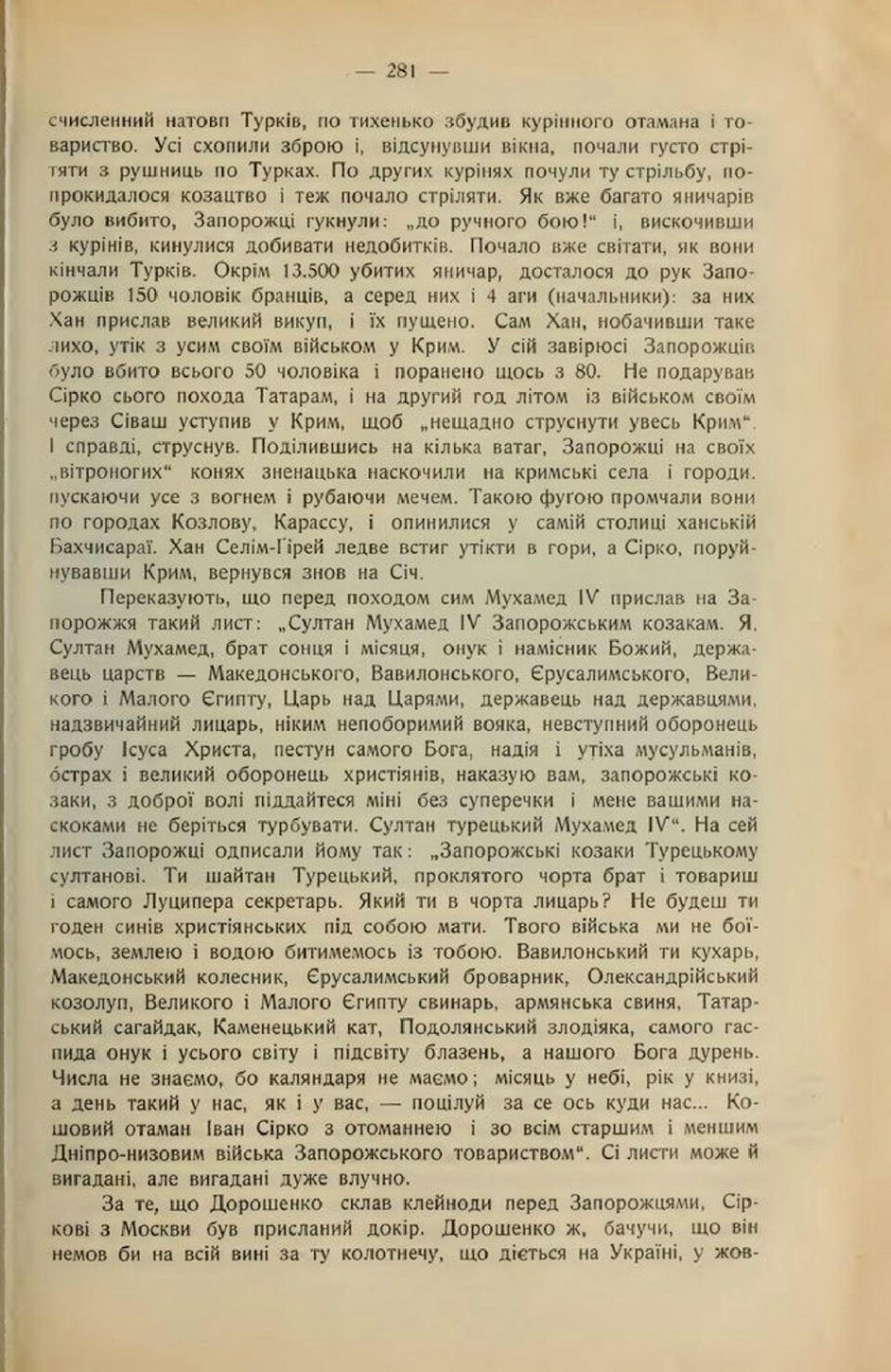
If you listen to Russian state historians or read old Soviet textbooks, you’d think Kharkiv was popped out of thin air in 1925 by a panel of Bolshevik bureaucrats armed with concrete, steel, and a copy of Das Kapital.
The narrative is always the same: “It’s an industrial city! It’s Russian-speaking! It’s basically Soviet property!”
It’s a classic imperial playbook strategy: erase a city’s history, strip away its cultural context, rebrand it as a factory town, and then claim it as your own because people there happen to speak your language.
But here’s the thing—calling Kharkiv a "Soviet creation" is like looking at a 300-year-old oak tree, noticing someone nailed a poster to it in 1950, and claiming the poster grew the tree. Let’s dismantle this garbage narrative piece by piece.
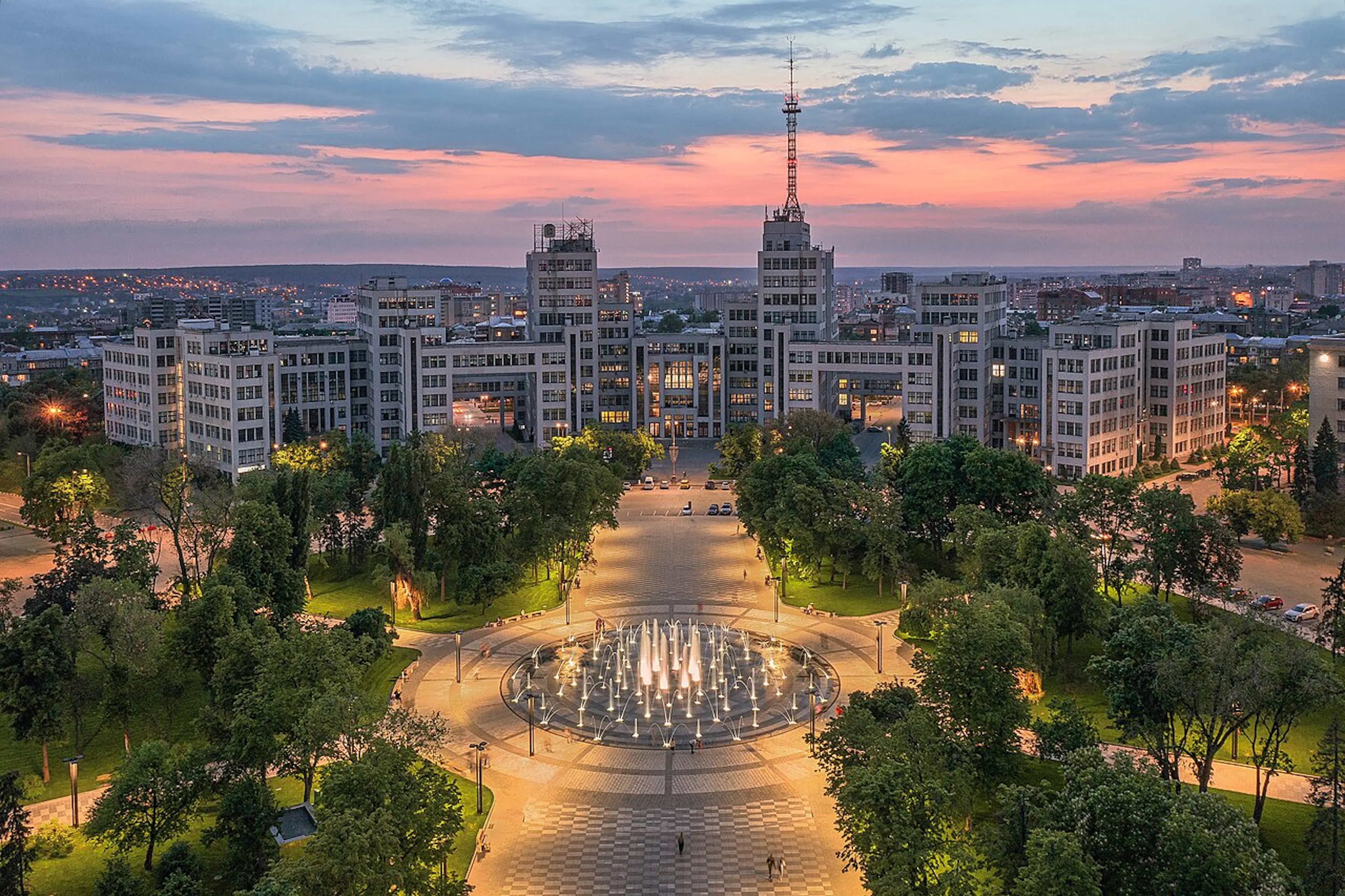
1. The Freedom-Loving Outlaws Who Actually Founded the City
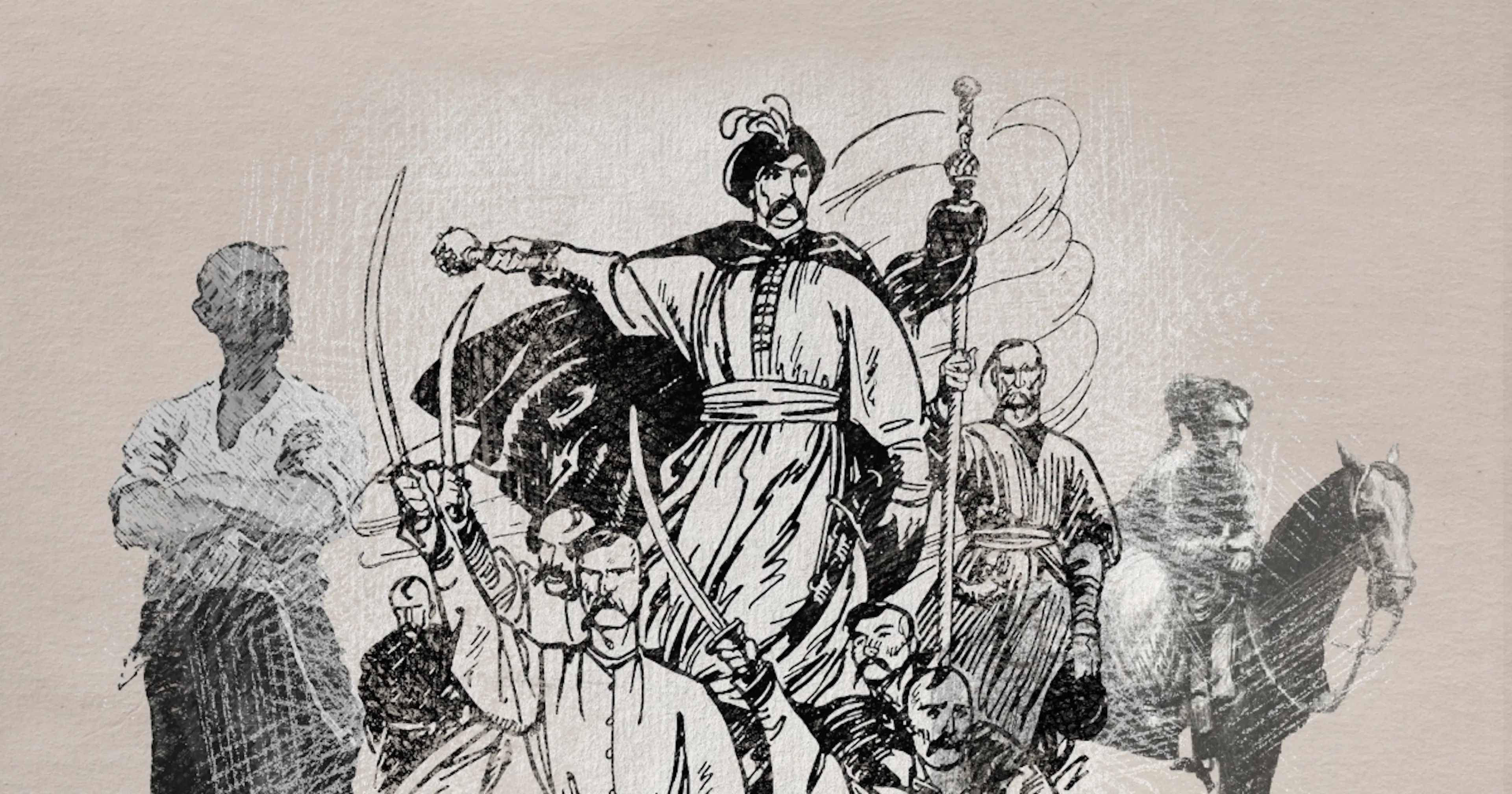
Long before Soviet planners built massive concrete blocks, Kharkiv was founded in the 1650s by Ukrainian Cossacks.
These weren’t obedient subjects looking to serve a king or a tsar. They were Sloboda Cossacks—rebels, frontiersmen, and refugees fleeing Polish nobility and Muscovite overreach from Central and Western Ukraine. They settled in a region that came to be known as Slobidska Ukraina (Sloboda Ukraine).
Notice the root word: Sloboda. It means freedom(not a correct translation, but i’ll keep it as it is my article).
Settlers were granted "slobodas"—tax-free, autonomous settlements—in exchange for defending the frontier. The legendary Cossack Kharko (from whom the city gets its name, according to local tradition) didn’t build a fortress to serve Moscow. He and thousands of Ukrainian settlers built a fortress at the confluence of the Kharkiv and Lopan rivers because they wanted a place to live, trade, and fight on their own terms.
By the 1660s, Kharkiv wasn't just an outpost; it was the regimental center of the Kharkiv Cossack Regiment. The legendary Zaporozhian Ottoman Ivan Sirko—the guy famous for sending a brutally sarcastic letter to the Ottoman Sultan—was literally a colonel of the Kharkiv Regiment. Sarcasm, autonomy, and refusing to bend to autocratic rulers are literally in the soil here.
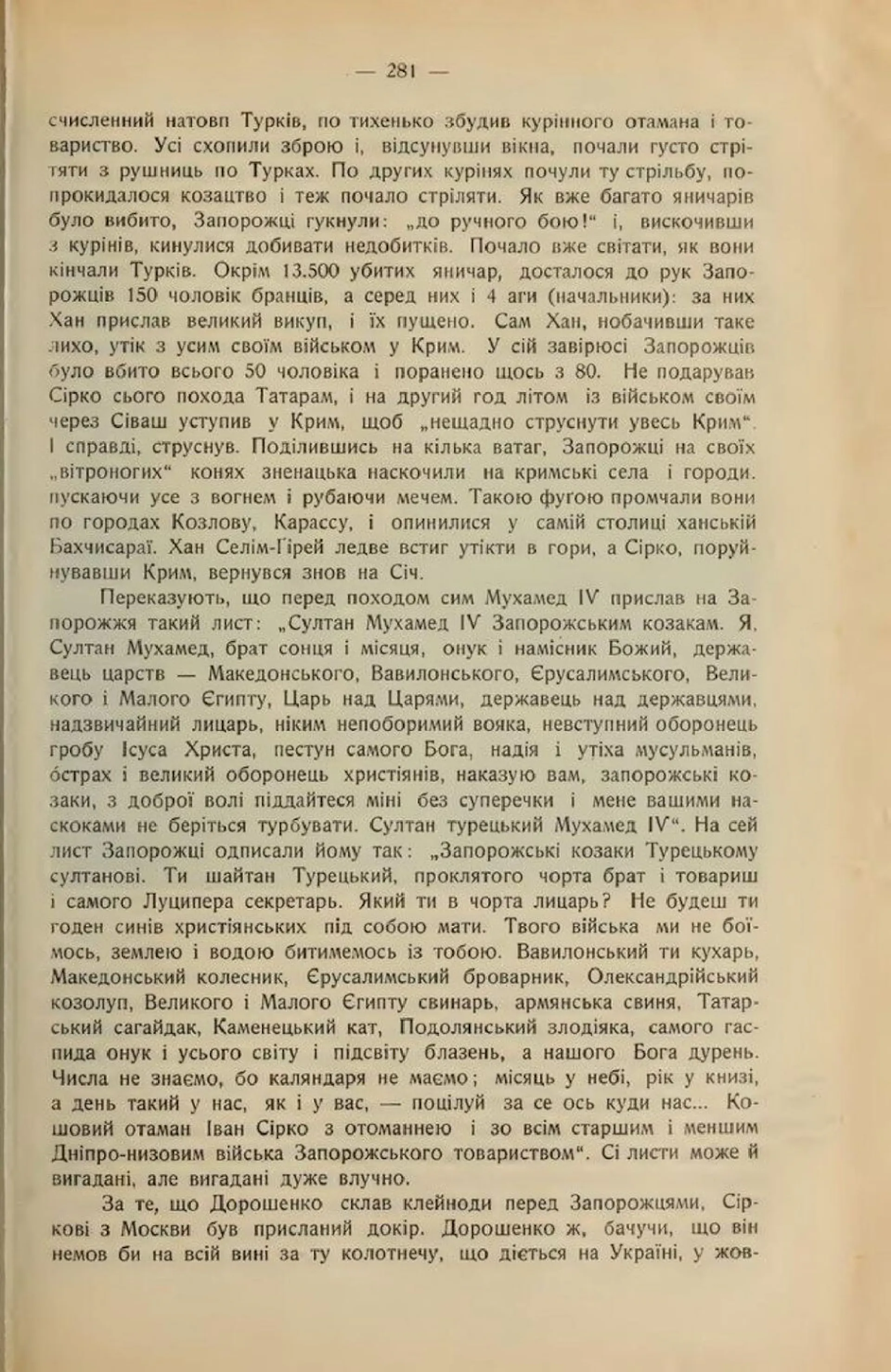 We cant confirm the copy of the letter to Ottaman, but this version sounds fun. Sirko would definately enjoy social media
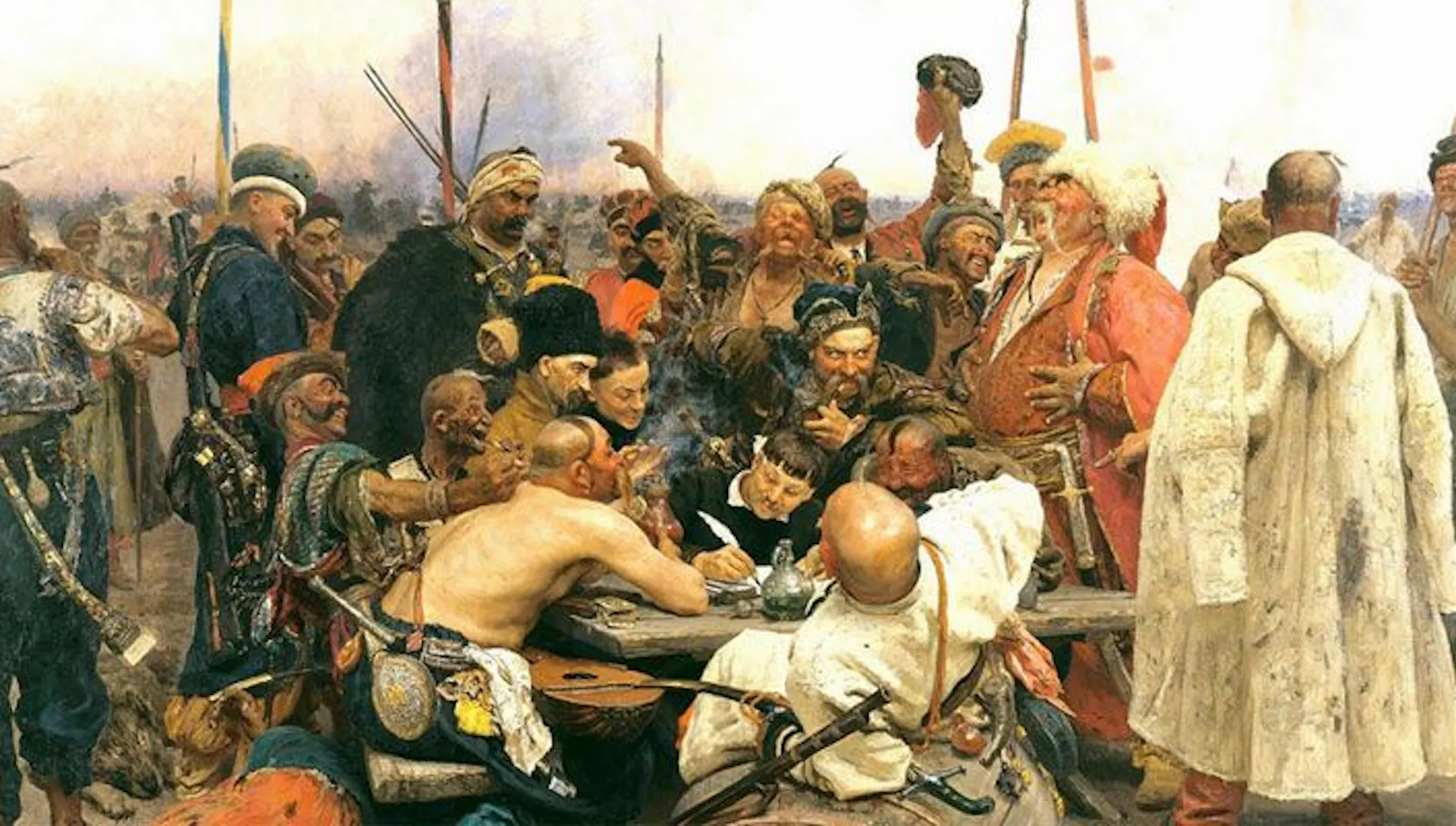 Great painting by an Ukrainian artist(yes rus also claimed him as part of their "culture')
2. The Cultural Powerhouse Imperialists Try to Ignore
Imperial historians love to claim that Ukrainian culture was just a "rural dialect" until the Soviets supposedly educated the masses. That is historically illiterate.
- The Birth of Modern Ukrainian Literature: Long before the Soviet Union existed, Kharkiv was the intellectual beating heart of Ukraine. In 1805, the University of Kharkiv was founded—not by the Tsar’s generosity, but largely funded by local Ukrainian gentry and Cossack descendants.
- The Romantic Movement: In the 1830s, the "Kharkiv Romantic School" laid the groundwork for modern Ukrainian national identity, publishing books, collecting folklore, and proving that Ukrainian was a rich, literary language while imperial censors were actively trying to ban it.
- The "Executed Renaissance": In the 1920s, Kharkiv became the stage for a massive explosion of avant-garde Ukrainian culture. Writers like Mykola Khvylovy, theater directors like Les Kurbas, and poets like Pavlo Tychyna lived in the famous Slovo Building (a building shaped like the letter "C" for Slovo, meaning "Word"). They produced world-class art that was fiercely Ukrainian.
What did the Soviets do with this cultural renaissance?
They shot them. Literally.
By the 1930s, Stalin purged, executed, or exiled almost the entire generation of Kharkiv’s creators because their vision of Ukraine was too free, too European, and too independent. Rebranding Kharkiv as a "purely Soviet industrial city" was the final step in covering up that crime.
3. The Language Trap: Speaking Russian Doesn't Make You Imperial Property
One of the most persistent arguments used by Russian propaganda today is language. The logic goes: "They speak Russian, therefore they want to be part of Russia."
This ignores basic history. The dominance of the Russian language in Kharkiv wasn't a natural preference; it was the result of centuries of state-enforced Russification. From the Valuev Circular (1863) and Ems Ukaz (1876)—which literally made publishing books or performing plays in Ukrainian illegal—to Soviet forced migrations and educational policies, the imperial state worked overtime to wipe out the language of the surrounding region.
Yet, if you stepped just ten miles outside of Kharkiv’s city center into the surrounding villages, the population remained overwhelmingly Ukrainian-speaking for centuries. The city was an island of enforced imperial administration surrounded by an ocean of Ukrainian culture.
More importantly, language does not equal loyalty. Assuming a Russian-speaking Ukrainian in Kharkiv wants imperial rule is like assuming an English-speaking Irishman wants to be ruled by the British Crown. It’s a complete misunderstanding of identity.
4. The Industrialization Myth
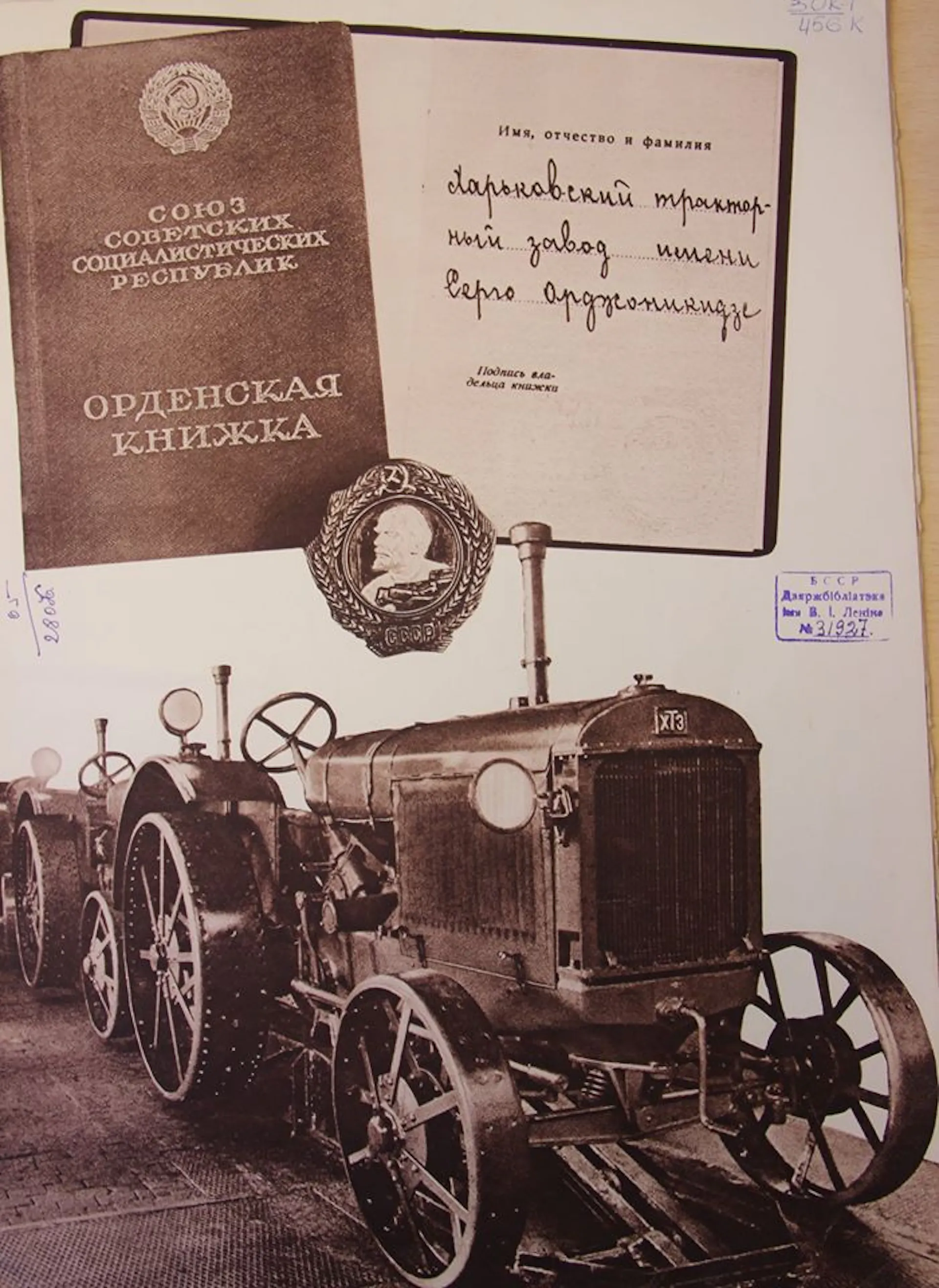
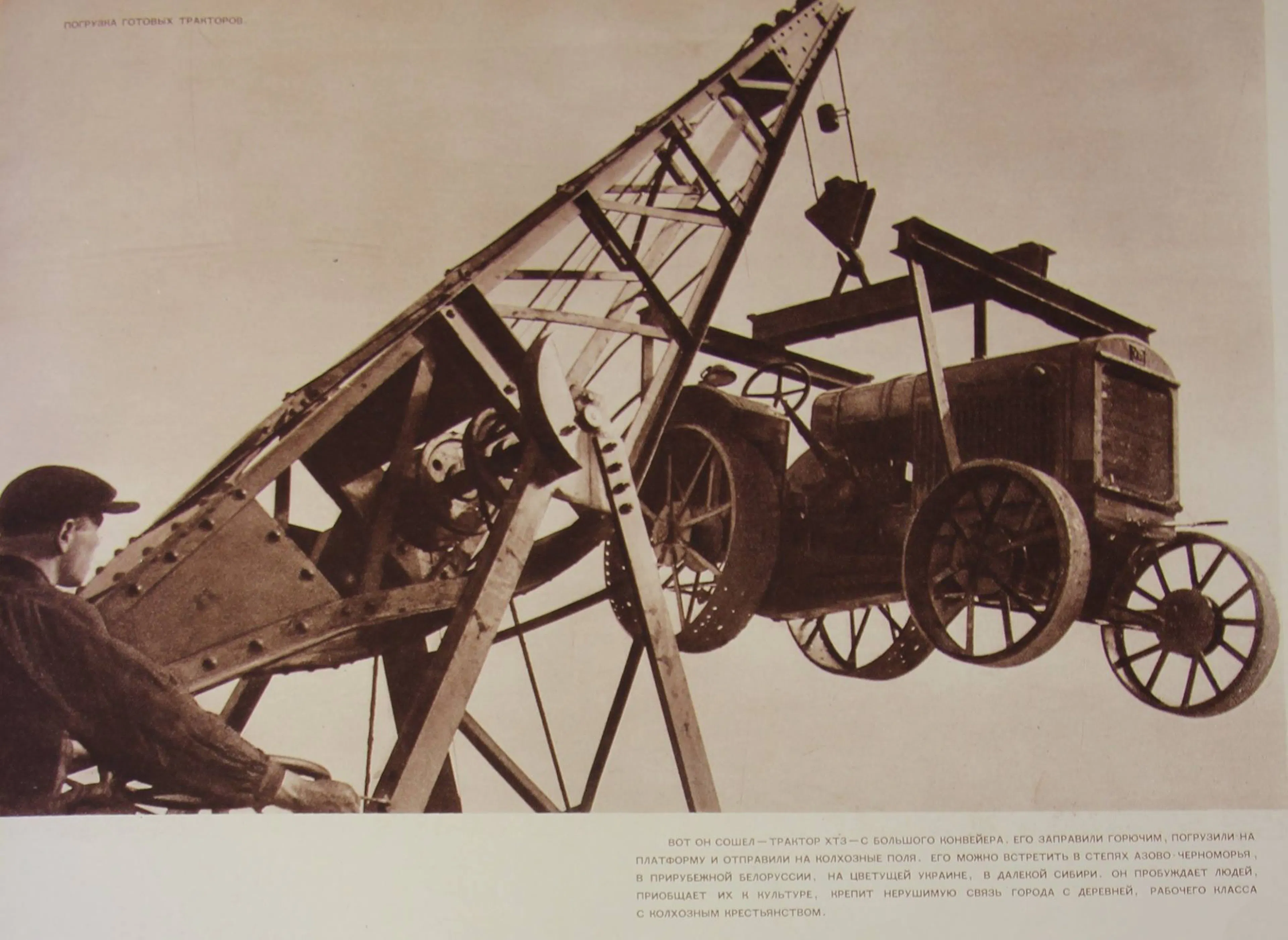
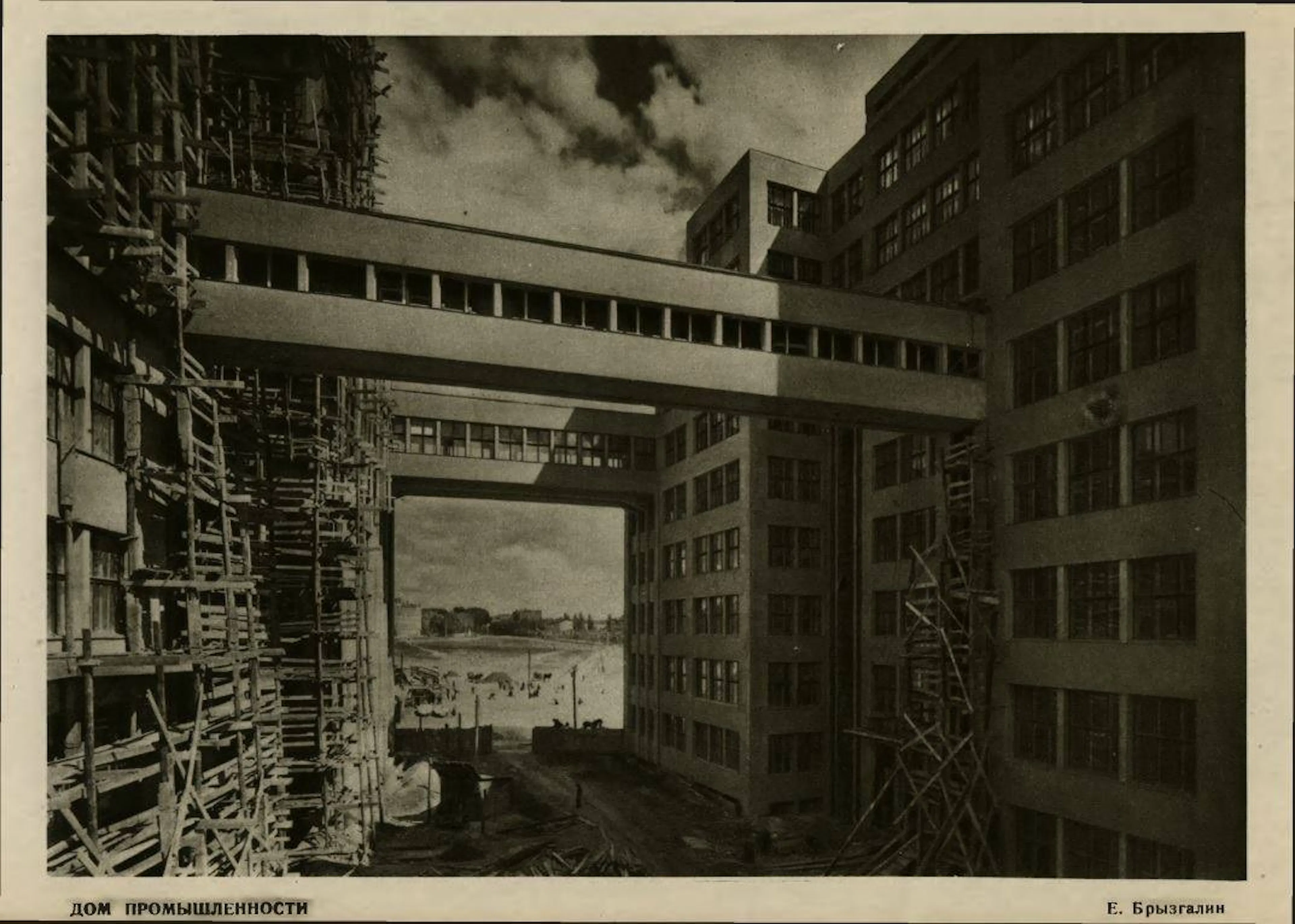
Did the Soviets build massive factories in Kharkiv? Yes. The Kharkiv Tractor Plant (HTZ) and the massive Gosprom building are iconic pieces of 20th-century architecture.
But industrialization wasn't a gift bestowed upon Kharkiv by Moscow out of the goodness of their hearts. Kharkiv was chosen as an industrial hub because it was already a massive, wealthy, highly educated regional crossroads with deep trade roots established during the Cossack and Imperial eras.
The Soviets built on top of a foundation that Ukrainian merchants, engineers, and workers had already spent centuries laying down.
It is not the end of the story, but did I convince you?
Kharkiv is not a "Soviet city," and it certainly isn't a "Russian city."
It is a frontier fortress built by free-thinking Cossacks, an intellectual capital that preserved Ukrainian identity against imperial bans, and a resilient metropolis that has survived Tsars, Bolshevik purges, Nazi occupation, and modern bombardment.
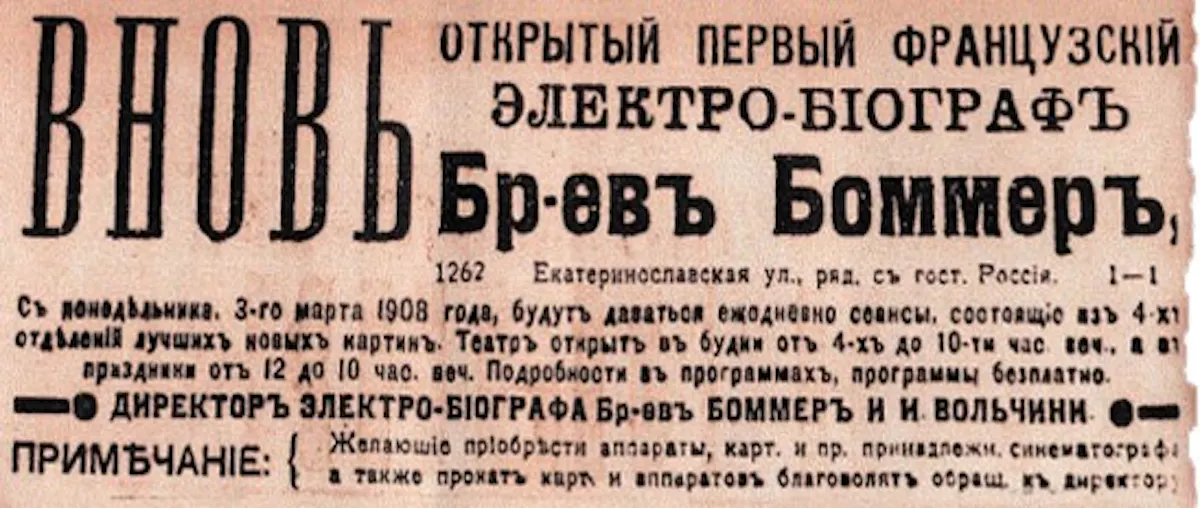
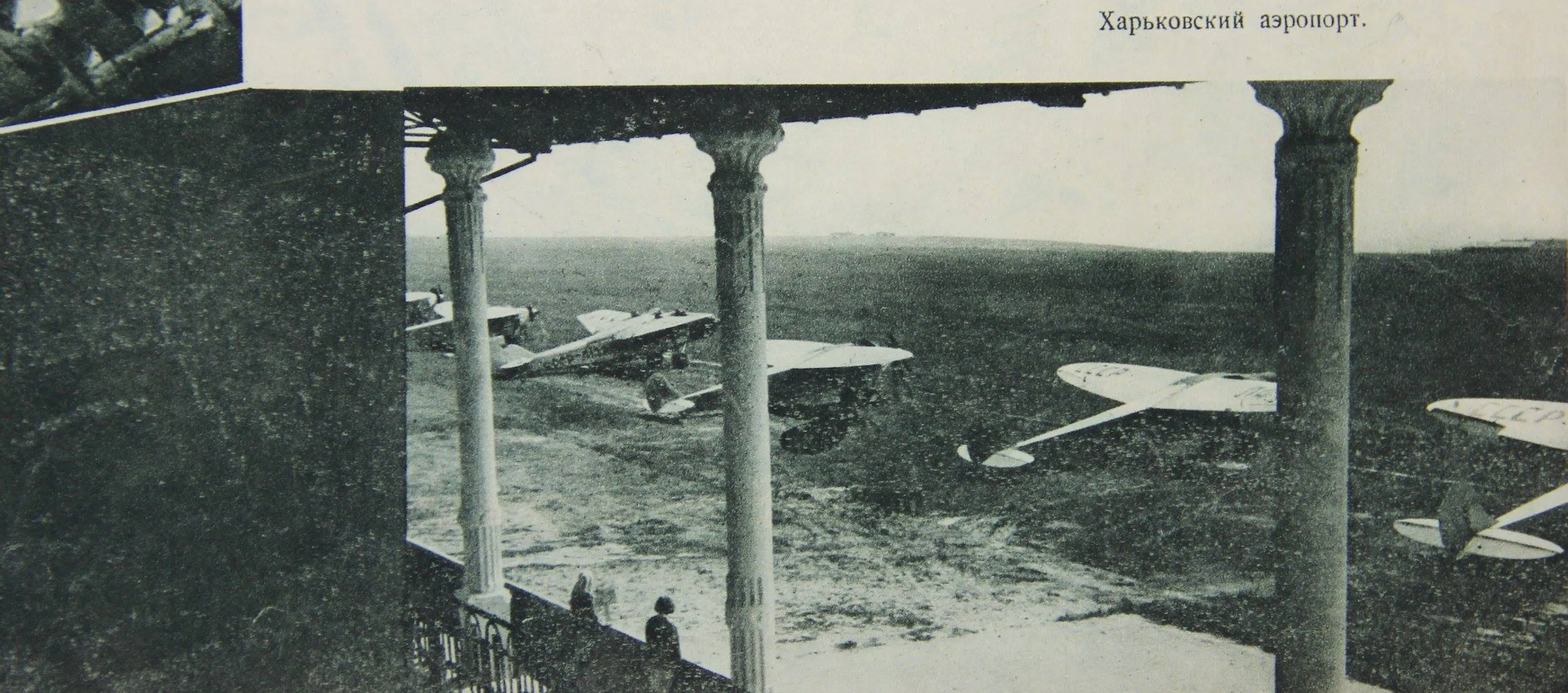
Here is an old ad for the cinema in the city center. I was in the modern verion of that cinema at 2018.
![inside of that cinema, while soviets [redacted]](https://moniacs.kh.ua/wp-content/uploads/2026/08/kokqmkboZrJdZY4Q0oaKTlV94AVaF-a4ZT-q18k-ZZU_S-cRlJyda7wUe4mxwqPWScQ1_yr5QSp-vxaOZATNAL4G.jpg) inside of that cinema, while soviets [redacted]
inside of that cinema, while soviets [redacted]
The next time someone tries to sell you the myth that Kharkiv’s history started in 1917, remind them: the city was founded on the concept of Sloboda—and it has been fighting to keep that freedom for nearly four centuries.
5. From Tsarist Concrete to Street Canvas: The Architectural Evolution
Imperial and Soviet regimes loved building imposing, sterile monoliths to make human beings feel small. But Kharkiv’s modern identity took those concrete walls and flipped them on their head.
In recent decades, the city became an epicenter for avant-garde urban art—most notably through the work of Hamlet Zinkovsky.
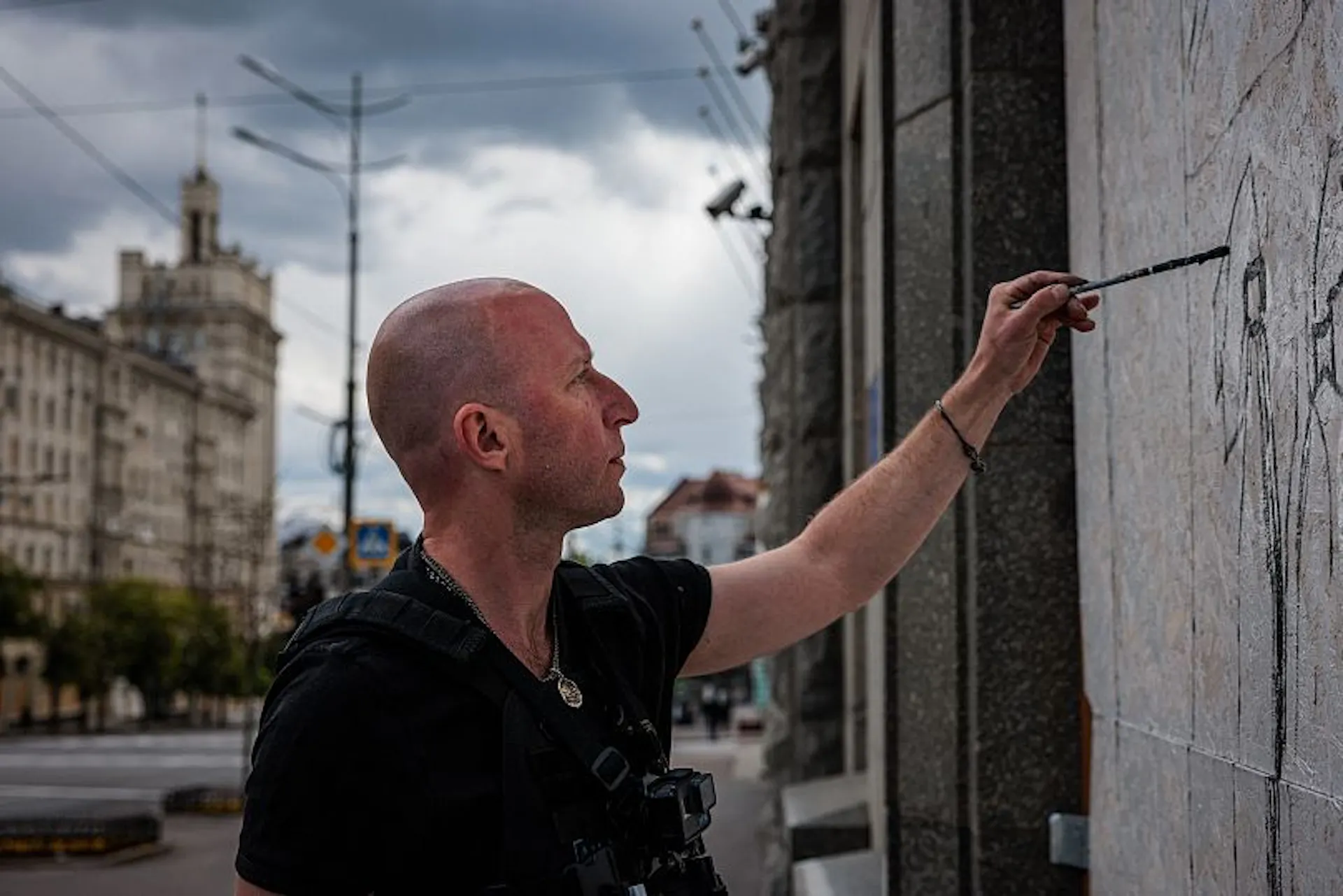
Hamlet didn't just paint murals; he completely reshaped how people interact with Kharkiv’s historic streets. His signature black-and-white street art, paired with philosophical, raw, and often deeply sarcastic Ukrainian text, turned decaying walls, archways, and bombed-out plywood shutters into an open-air museum. He stripped away the gray Soviet monotony and injected a distinct, hyper-modern soul straight into the city’s architectural arteries.
Images from my personal archive
Alongside street artists, a new generation of visionary Ukrainian architects stepped up to defend and guide the city's built environment. Rather than letting developers steamroll historical heritage or rebuild in bland neo-imperial styles, these local architects fought to preserve original 19th-century facade details while integrating bold, modern European design.
They treated Kharkiv’s historical spaces not as Soviet relics to be hidden, but as a living canvas that reflects resilience, innovation, and creative freedom.
6. The Engineering DNA: Why Kharkiv Became Ukraine’s Silicon Valley
If you worked in global tech anytime over the last two decades, odds are high that some of the backend code, QA frameworks, or cloud architecture you rely on was built by an engineer sitting in a coffee shop in Kharkiv.
Propagandists like to pretend that Kharkiv’s technical prowess was a top-down gift from Soviet planners.
Wrong.
The Soviets built factories, but the people built the brainpower.
Kharkiv naturally evolved into Ukraine’s primary educational powerhouse. Institutions like the Kharkiv National University of Radio Electronics (NURE), the National Aerospace University (KhAI), and NTU "KhPI" created a massive density of world-class technical talent. We aren't talking about low-level script kiddies; we are talking about hard-math theoreticians, aerospace engineers, cyber-security specialists, and system architects.

When the global digital revolution hit, Kharkiv didn't have to import talent—it had an endless assembly line of brilliant, cynical, hyper-logical young minds ready to disrupt the market:
QA and Dev Powerhouse: Long before "remote work" was a corporate buzzword, Kharkiv’s software engineers and QA testers were quietly powering global enterprise platforms, startups, and fortune 500 tech stacks.

Cultivating Tech Culture: The city didn't just host IT companies; it built an organic, vibrant tech culture complete with massive developer hubs, tech clusters, and hacker spaces. It became a magnet for developers from all over the country.
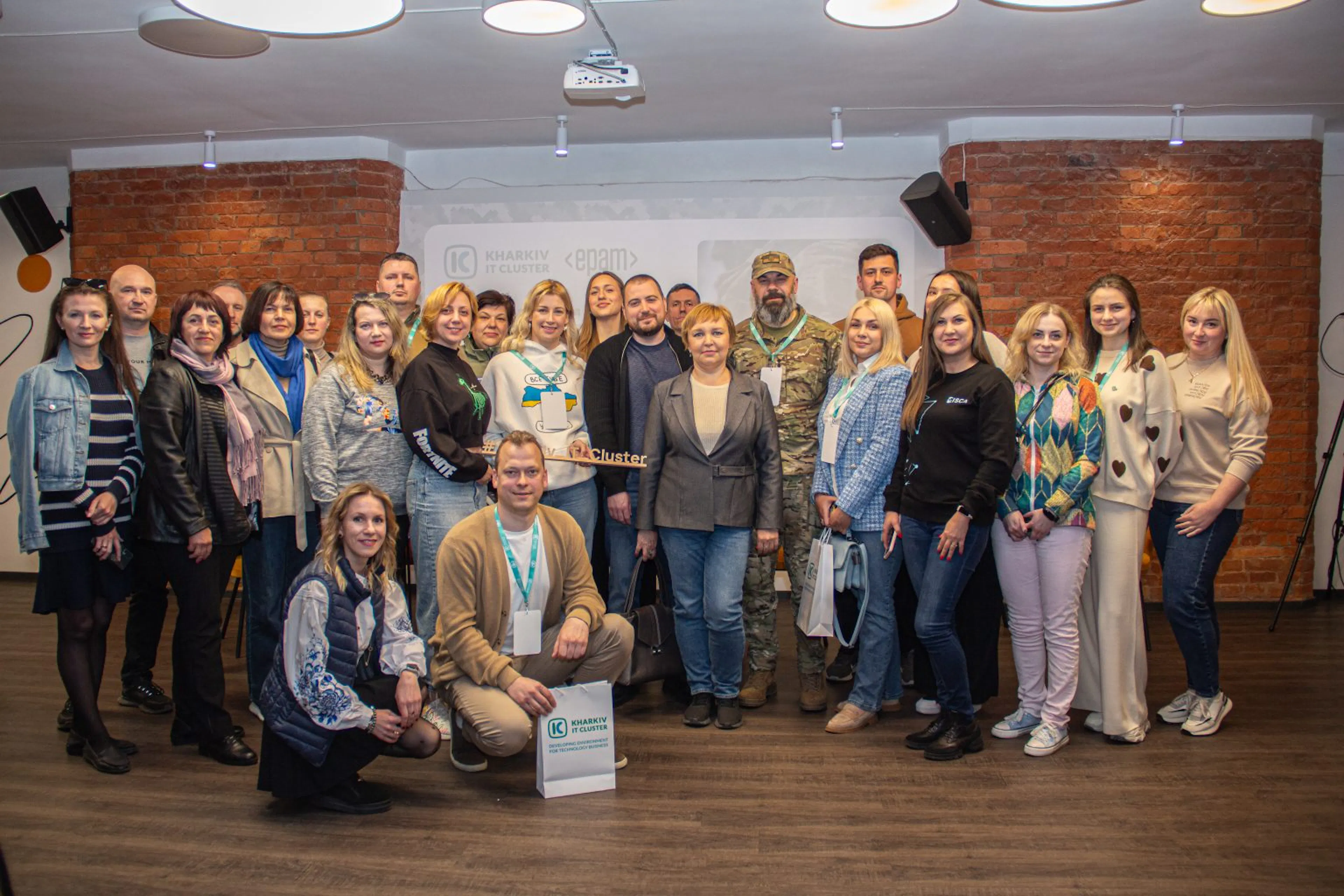
Engineering Resilience: What made Kharkiv tech professionals different wasn't just their ability to write clean code—it was their raw problem-solving mindset forged in a city that historically never had anything handed to it on a silver platter.

Before the full-scale invasion tried to flatten its infrastructure, Kharkiv’s tech industry was literally soaring "up to the sky." And even under fire, that engineering foundation didn't disappear—it adapted, built defense tech, and proved once again that you can attack physical buildings, but you can’t bomb an entire city’s collective intellect.
Kharkiv isn't a museum piece, a leftover Soviet factory site, or an imperial frontier waiting to be "reclaimed."
It is a city forged by Cossacks who hated tyranny, preserved by intellectuals who refused to let their language die, painted by street artists who refuse to live in the gray, and coded by badass engineers who build the future while the past tries to drag them down.
If anyone tries to tell you otherwise—hand them a history book, show them a Hamlet mural, and tell them to check the source code.
如有侵权请联系:admin#unsafe.sh