NSA, CISA, FBI, DOE, and EPA Warn of Active AI-Assisted Attacks on Siemens S7 PLCs 2026-8-20 17:36:49 Author: securityaffairs.com(查看原文) 阅读量:52 收藏
NSA, CISA, FBI, DOE, and EPA Warn of Active AI-Assisted Attacks on Siemens S7 PLCs

NSA, CISA, FBI, DOE, and EPA warn of active AI-assisted attacks against Siemens S7 PLCs across US critical infrastructure sectors.
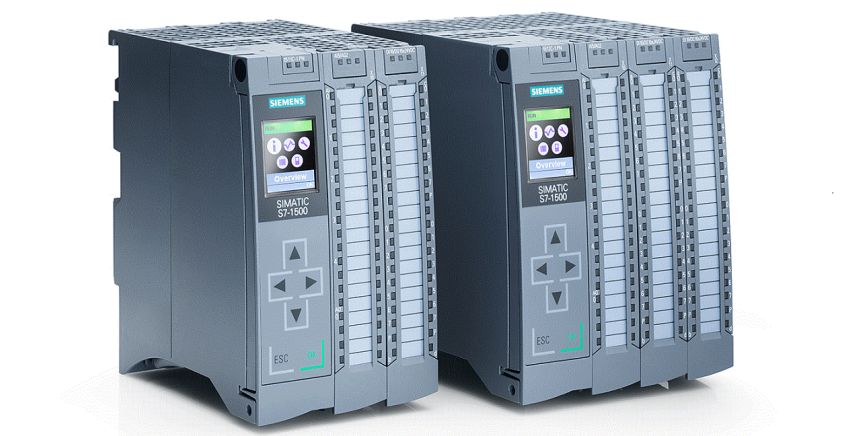
Five U.S. federal agencies issued a joint advisory this week warning of an active hacking campaign against Siemens S7 Series programmable logic controllers. The advisory, CISA AA26-231A, is co-signed by NSA, FBI, DOE, and EPA and covers every S7 generation, from the S7-200 to the S7-1500 F-series safety controllers.
The advisory is direct about one thing from the first paragraph: this is not a theoretical risk.
“The threat actors are conducting reconnaissance and capability development against U.S.-based Siemens PLC installations using AI-generated exploitation scripts disguised as legitimate monitoring tools. The actors leverage Internet scanning services to find Internet-exposed PLCs running outdated software or that are otherwise poorly protected.” reads the advisory. “The U.S. critical infrastructure sectors most targeted by this threat activity include Critical Manufacturing, Energy, Water and Wastewater, Chemical, Food and Agriculture, and Commercial Facilities. This is not a theoretical risk—it is an active threat. “
The key detail is how the attackers try to hide their activity. They make their scripts look like legitimate OT monitoring software, making it harder for security teams to notice them while they map the target environment.
The tools themselves are not custom malware. The attackers use the open-source snap7.dll and python-snap7 libraries, which are legitimate industrial automation tools. These libraries can communicate directly with Siemens PLCs over S7comm on TCP port 102, allowing access to PLC memory, configuration data and ladder logic programs.
“Using AI to generate exploitation scripts represents an evolution in threat actor capabilities, dramatically reducing the technical expertise and time required to develop working ICS exploitation scripts and malicious tools. In addition, AI enables adversaries to rapidly leverage additional attack vectors and adapt to defensive measures.” continues the advisory. “Threat actors can easily collect public information about vulnerabilities and weaknesses, find exposed and exploitable PLCs, and use AI-generated scripts to act on that information. If PLCs are exposed to the Internet, they are at high risk for exploitation.”
Researchers warn that a defender who patches a vulnerability may now find the attacker’s tooling already adapted before the change window closes.
The observed activity breaks into two phases. Actors use scanning services like Censys and ZoomEye to locate Internet-exposed PLCs, then run read operations to understand the target environment before any writes happen. The authoring agencies assess this as pre-positioning: the actors are building a map and testing their techniques against specific CPU models, refining as they go, before they’re ready to cause disruption.
The target list covers Critical Manufacturing, Energy, Water and Wastewater, Chemical, Food and Agriculture, and Commercial Facilities. The Defense Industrial Base is also named, given its use of S7-series hardware. If these actors move from read to write, the potential consequences include process disruption, equipment damage, and safety incidents through manipulation of interlocks or emergency shutdown systems, and cascading effects across interconnected supply chains.
The advisory flags third-party exposure as a specific problem. Asset owners who rely on system integrators or managed service providers for remote PLC access may not know their controllers are reachable from the Internet. If an external support partner holds credentials for your S7 devices and you haven’t recently verified that those connections are segmented and monitored, this advisory is a good prompt to check.
There are several clear signs defenders can monitor. They should look for S7comm connections from devices that are not normally used for engineering, PLC read or write activity outside scheduled maintenance, and scans of multiple IP addresses on TCP port 102. It is also worth checking for Python processes loading snap7.dll on systems where it should not be present. Connections from unexpected countries or locations should also raise an alert.
On the mitigation side, the agencies prioritize inventory first, then patching with Internet-facing controllers at the top of the queue. Block TCP port 102 at the perimeter firewall, require password protection on all controllers, configure protection levels to limit what an unauthenticated or low-privilege session can read or write, and deploy ICS-aware monitoring capable of baselining legitimate S7comm behavior. Disabling the PLC web server where it’s not needed and limiting simultaneous S7comm sessions also appear in the guidance, alongside TIA Portal’s know-how protection and complete restart protection features.
The advisory closes by recommending direct engagement with Siemens ProductCERT for model-specific hardening and patch compatibility verification, which matters in OT environments where a firmware update can interact badly with third-party integrations and can’t simply be rolled back.
Follow me on Twitter: @securityaffairs and Facebook and Mastodon
(SecurityAffairs – hacking, CISA)
如有侵权请联系:admin#unsafe.sh