
Every startup is a media company now.Founders post on LinkedIn. Marketing teams publish blogs. Prod 2026-8-6 18:52:34 Author: hackernoon.com(查看原文) 阅读量:2 收藏
Every startup is a media company now.
Founders post on LinkedIn. Marketing teams publish blogs. Product leaders write threads. AI tools can turn rough notes into polished content in seconds.
Yet much of the internet sounds increasingly similar.
Scroll through enough startup content and you will encounter the same claims: seamless integrations, AI-powered workflows, customer-centric solutions, and products that promise to revolutionize an industry.
The writing may be polished. The publishing schedule may be consistent. But very little gives readers a reason to remember who said it.
The problem is not that startups need more content. They need something worth saying.
Content Is Easier to Produce and Harder to Differentiate
For years, consistency gave companies an advantage. Publishing required time, planning, and people. Businesses that kept producing useful articles could stand out simply because many competitors did not.
AI has changed that.
Almost any company can now generate a competent article, email campaign, product explainer, or social post. But when everyone can produce content quickly, volume is no longer a meaningful advantage.
Your competitors have access to the same models, templates, keyword tools, and publishing tactics. They can target the same search terms and imitate the same polished tone.
The result is an endless supply of content that is technically correct but strategically forgettable.
Companies should not necessarily publish less. They should stop treating output as the objective.
The goal is to build a recognizable body of ideas.
Your Perspective Is Harder to Copy
Startups usually look for differentiation inside the product.
They emphasize features, integrations, pricing, speed, or usability. These distinctions matter, but they rarely remain unique forever. Competitors can study successful features and release similar versions.
Your perspective is harder to replicate.
It comes from the customers you have worked with, the problems you have encountered, the decisions you have made, and the assumptions your team has challenged.
Perhaps your engineers discovered that a popular architecture fails at scale. Maybe your sales team noticed buyers are evaluating your market using the wrong criteria. Perhaps your founders disagree with the direction the industry appears to be moving.
These insights are more valuable than another summary of industry trends.
Instead of asking, “What should we post this week?” ask, “What have we learned that would be genuinely useful to someone else?”
Strong business content explains what you believe, why you believe it, what experience supports the argument, and what readers should do differently.
It can challenge an assumption, explain a complicated issue, or help readers avoid a mistake. It does not need to mention your product in every paragraph.
You are not merely providing information. You are helping people interpret it.
Technical Audiences Recognize Empty Marketing
A clear point of view matters even more when your audience includes developers, engineers, and founders.
Technical readers are not impossible to market to. They are simply less tolerant of vague claims.
They want to know how something works, why a decision was made, what limitations exist, and whether the writer has direct experience.
They are more likely to trust an honest technical breakdown, a lesson from a failed launch, a comparison between two approaches, or a practical guide based on real implementation work.
They are less likely to trust an advertisement disguised as thought leadership.
Promotion tells readers that your company is innovative. Expertise demonstrates how your team thinks through a difficult problem.
One asks for trust. The other earns it.
That usefulness builds credibility. Credibility builds recognition. And recognition makes people more likely to remember your company when they eventually need what you sell.
Good Ideas Still Need Distribution
A distinct perspective only creates value when the right people can find it.
Many startups publish thoughtful articles on their own websites and assume readers will arrive. But a company blog does not automatically come with an active community, strong search visibility, or trusted distribution.
Where an article appears affects who discovers it, how it is perceived, and how long it continues generating value.
Publishing on an established technology platform can place your ideas in front of readers who were not already following your company. It can also extend the article’s life through search, newsletters, social channels, and community discovery.
That is where HackerNoon’s Business Blogging Program comes in.
HackerNoon's Business Blogging gives you:
- Instant credibility by publishing alongside respected tech voices
- Community reach to 4M+ monthly readers actively engaged in different communities of tech
- SEO foundation with 87+ domain authority and structured content that ranks
- Long-term presence through evergreen articles that continue working for you
- Global distribution across newsletters, social channels, and 70+ languages
When you publish through HackerNoon's Business Blogging Program, you're getting your insights, expertise, and unique perspective published on a platform that millions of developers, founders, and tech professionals actually read and trust.
Great Startups That You Should Know About
Brandenburg Labs GmbH
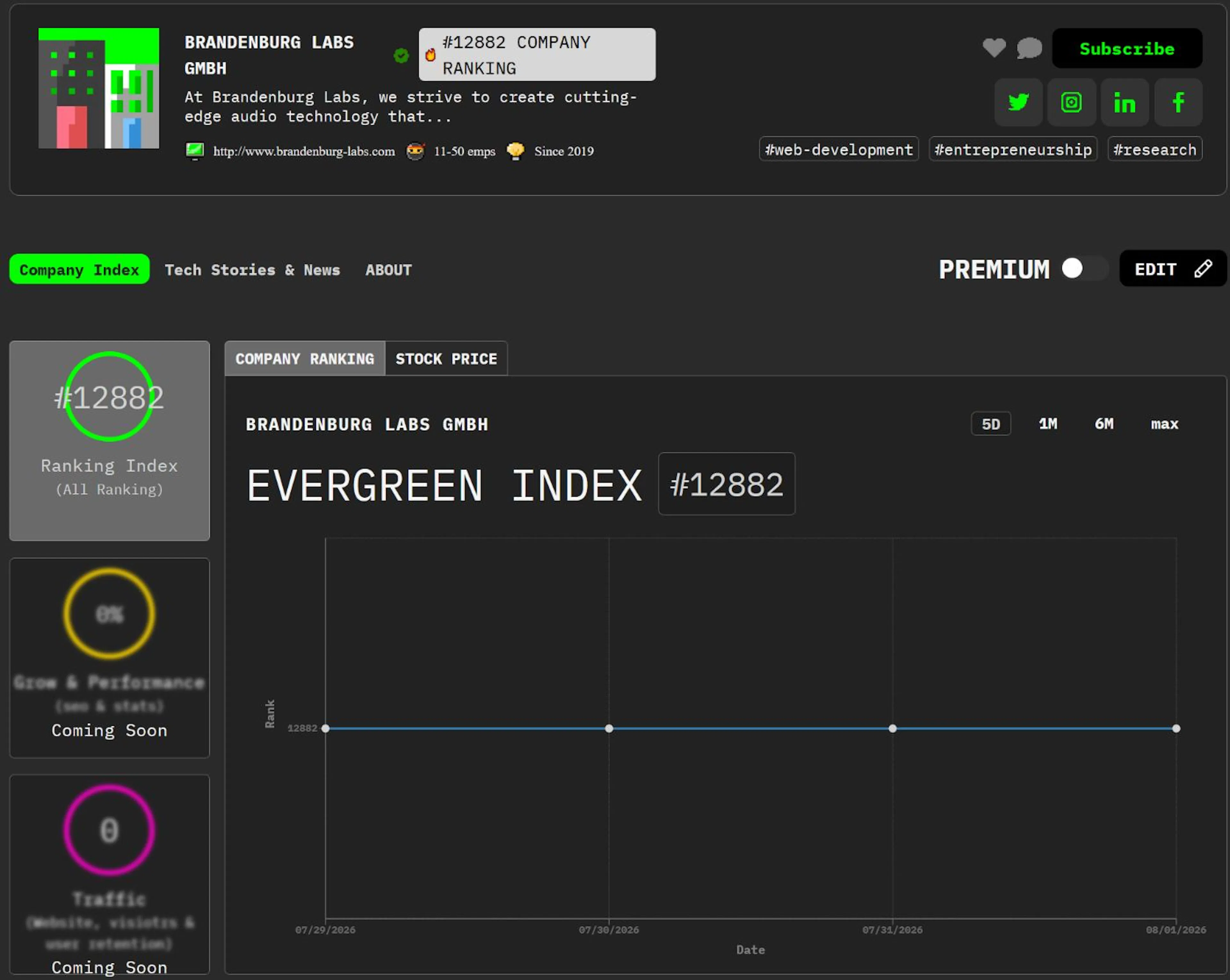
Brandenburg Labs GmbH was founded in 2019, initiated by Prof. Dr.-Ing. Karlheinz Brandenburg, co-inventor of the MP3 format, to develop immersive audio products that allow users to create their own personalized auditory reality.
Based in Germany, this impressive startup was the winner of HackerNoon’s Startups of the Year award in the Music category, and a nominee in the Research and Software Development categories.
Vibra Music
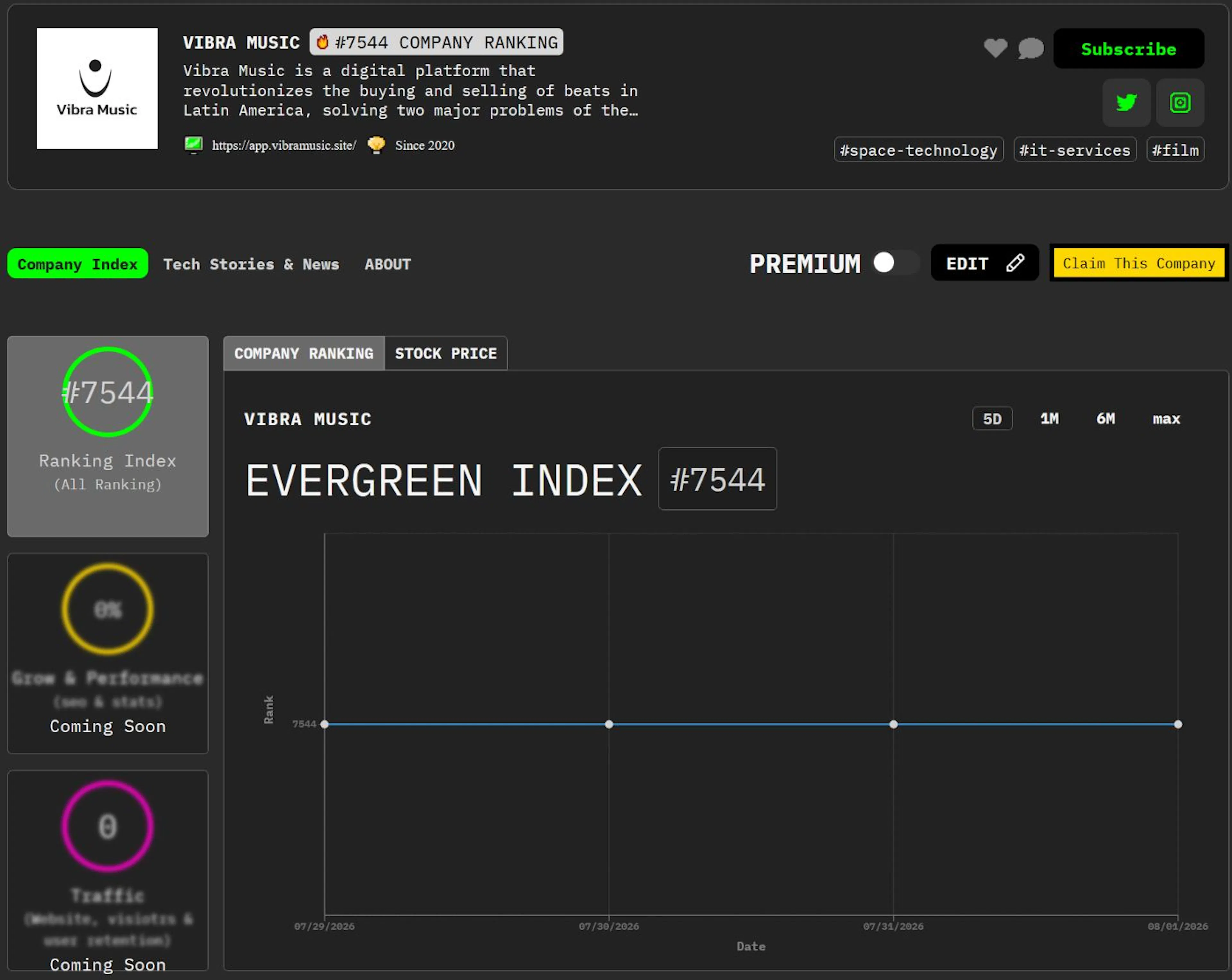
Vibra Music is a digital platform that revolutionizes the buying and selling of beats in Latin America. Based in New Mexico, this impressive startup was a runner up in Startup of the Year’s Music category.
Ionio
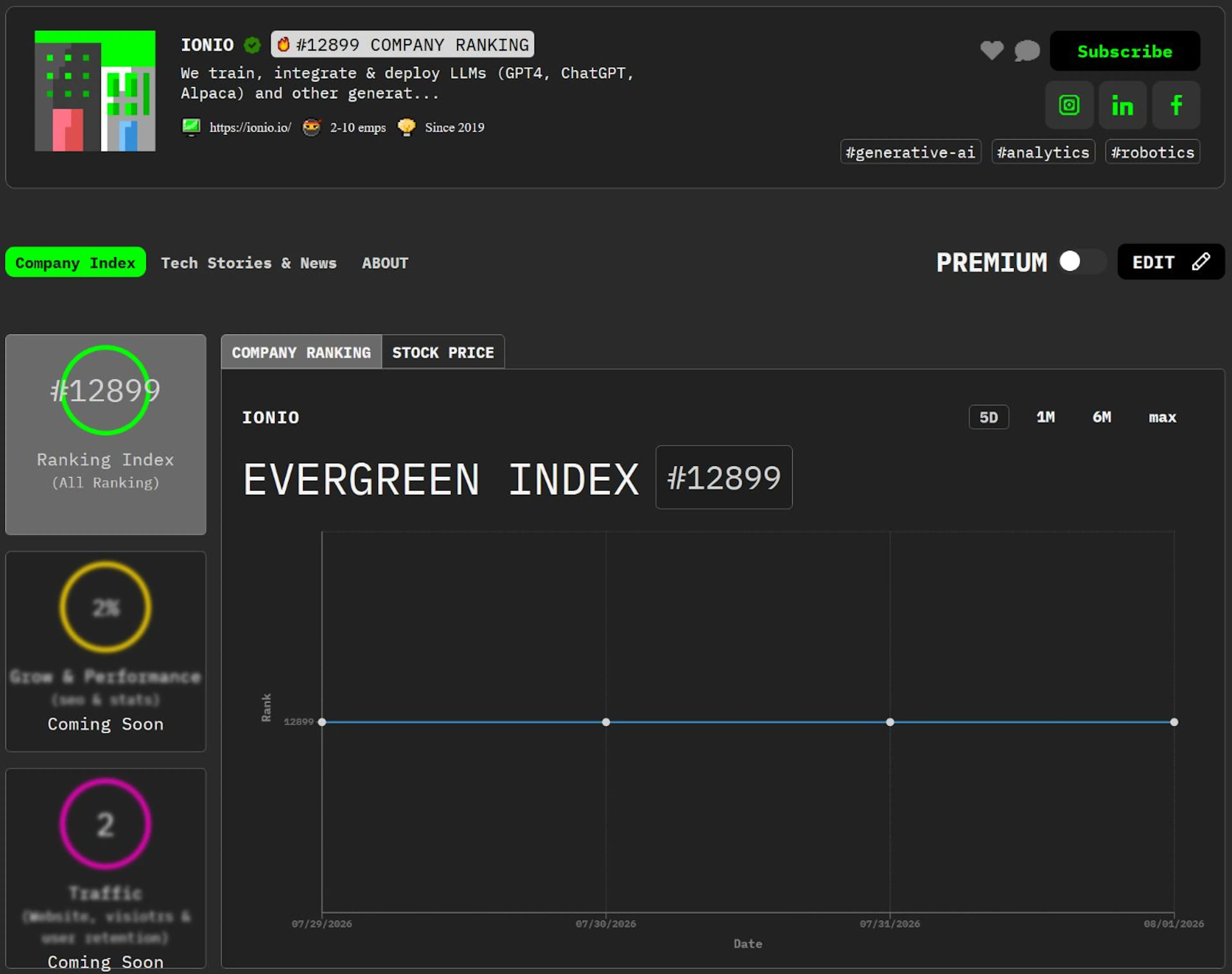
IONIO was founded by Gijsbert van Brummelen, who proudly calls himself “a true born technician”. Years ago, he started as a self-employed technician and has since built a successful company that not only supplies advanced testing and measurement systems, but also offers clear and expert advice to optimise the testing of other business’ products.
Based in the Netherlands, this impressive startup was nominated in the Music, Machine Learning, and Generative AIcategories.
That’s all for this week.
Until next time, hackers!
如有侵权请联系:admin#unsafe.sh