The word "ambassador" can sound like a marketing title. In a developer community, it should mean som 2026-8-4 06:31:9 Author: hackernoon.com(查看原文) 阅读量:12 收藏
The word "ambassador" can sound like a marketing title. In a developer community, it should mean something more practical.
It means finding out where builders are stuck. It means creating a workshop where people can test a workflow instead of only watching slides. It means publishing materials that remain useful after the event. It also means giving honest feedback about what works and what does not.
I am Vladislav Guzey, also known as proflead, an OpenAI Codex Ambassador based in Chiang Mai, Thailand. After organizing local activities and creating Codex resources, I have a clear view of the role: an effective ambassador builds bridges between a product team and real developer communities.
This is a field guide to how that bridge works.
Current status as of August 1, 2026: applications to the Codex Ambassador Program are paused while OpenAI supports the existing cohort. OpenAI says a future cohort is planned, but it has not announced when applications will reopen. The official Codex Ambassadors page should always be checked for updates.
First, what is OpenAI Codex?
Codex is OpenAI's coding agent. Developers can use it to understand code, implement changes, review work, debug problems, and support other software-development tasks.
The technology is useful, but adopting a coding agent is not only a technical decision. Developers also need to learn how to describe work clearly, provide the right project context, review changes, and verify results.
That is where a community program can help.
The Codex Ambassador Program in one sentence
The program brings together people who help developers learn and build with Codex through local events, reusable resources, community support, and product feedback.
Potential ambassadors can come from several backgrounds:
- Developer community organizers
- Open-source maintainers and contributors
- Student leaders
- Workshop facilitators
- Experienced Codex users who teach others
The program is not limited to famous creators. A person who consistently helps a small developer community may create more practical value than someone with a large but unrelated audience.
The four jobs behind the title
Job 1: Turn a product into a learning experience
Documentation explains features. A community event helps people connect those features to their own work.
Ambassadors may organize:
- Hands-on meetups
- Workshops
- Hackathons
- Build days
- Study groups
- Community demonstrations
The most useful events are designed around an outcome. "An introduction to Codex" is a topic. "Use Codex to understand an unfamiliar repository and complete a reviewed change" is an outcome.
A simple event design can be:
- Introduce one problem.
- Demonstrate a complete workflow.
- Let participants try it.
- Support them when problems appear.
- Review what they built.
- Record the most common questions.
The last step creates input for future events and resources.
Job 2: Make knowledge reusable
A meetup is limited by time and location. A reusable resource can travel.
Ambassadors can create:
- Tutorials
- Videos
- Workshop guides
- Open-source examples
- Codex skills and agents
- Prompt collections
- Community FAQs
- Event reports
The resource should help a defined audience complete a defined task. It should also explain how the result was checked. Coding-agent content becomes much more useful when it covers verification, not only generation.
People often learn faster when they can see how another developer approaches the same problem.
A local group can connect:
- Beginners with mentors
- Students with working engineers
- Founders with technical builders
- Open-source maintainers with contributors
- Content creators with accurate examples
An ambassador does not need to be the only expert in the room. In fact, a healthy event allows participants to learn from one another.
Job 4: Return real-world feedback
The bridge must work in both directions.
Ambassadors can share feedback about:
- Common onboarding problems
- Confusing terminology or workflows
- Features developers use repeatedly
- Questions that appear across different events
- Needs specific to a location or type of community
This feedback should be direct and specific. Community work loses value when every report is positive but nobody explains the problems people experienced.
What support is available?
OpenAI currently lists support that includes:
- Codex and API credits for ambassador work and events
- Starter kits that ambassadors can adapt
- Collaboration with other ambassadors and the Codex team
- Invitations to selected future events
- Exclusive swag
These details can change when a new cohort opens. Future applicants should review the new program information instead of treating an older list as a permanent promise.
The time commitment
The current program expectation is approximately two to four hours per week, plus at least one contribution per month.
That average can hide the shape of the work. An event can require several stages:
community research

↓

topic and format

↓

venue or online setup

↓

technical rehearsal

↓

event delivery

↓

feedback and follow-up
Other contributions, such as articles or open-source resources, have different stages. The common requirement is consistency.
Three myths about becoming an ambassador
The program includes community organizers, maintainers, student leaders, facilitators, and Codex power users. Useful community evidence matters more than follower count alone.
Myth 2: "My first event must be large."
A small, focused workshop can be an excellent contribution. It is easier to support participants, observe where they struggle, and improve the format.
Myth 3: "I should wait for applications to open."
You should wait before submitting an official application because applications are paused. You do not need to wait before helping developers.
You can publish a guide, contribute to open source, share a tested workflow, or organize a small study session now.
A future-applicant checklist
The following is my personal advice, not an official OpenAI checklist.
Build
- Use Codex on real projects.
- Save examples that show the problem, workflow, result, and verification.
- Understand both useful patterns and limitations.
Teach
- Explain one workflow in simple language.
- Publish a guide, video, repository, or workshop exercise.
- Improve it after another person tries it.
Connect
- Identify a community you understand.
- Ask what people want to learn or build.
- Run one small activity before planning something large.
Measure
- Record attendance and completion, not only registrations.
- Collect repeated questions.
- Note what participants built.
- Use feedback to improve the next contribution.
Plan
- Prepare one activity you could complete during your first month.
- Define the audience, format, outcome, and follow-up.
- Keep the plan realistic.
What happened in Chiang Mai
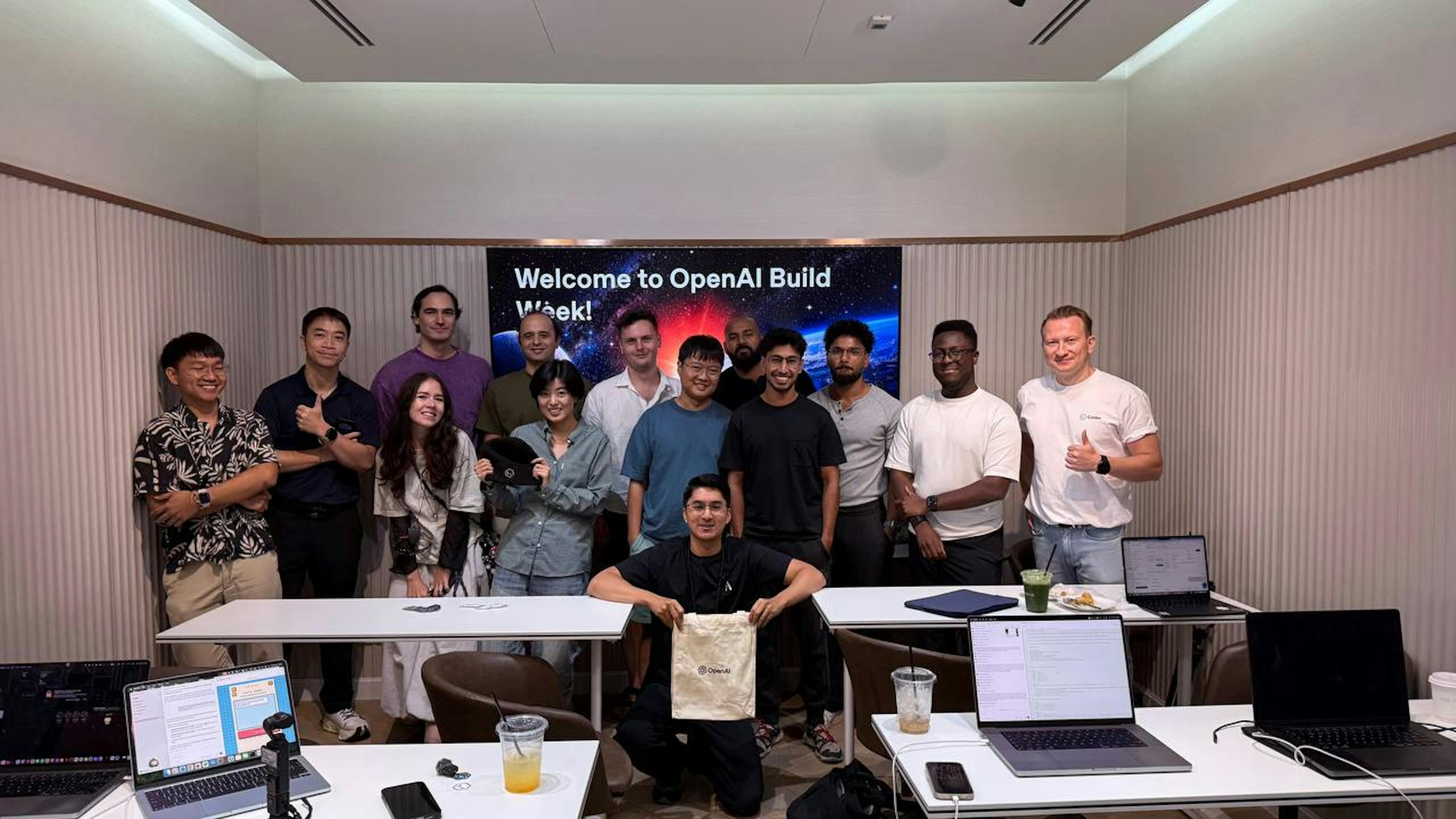
On July 18, 2026, I hosted an OpenAI Build Week community meetup in Chiang Mai. Developers, founders, students, and AI-curious creators joined the event.
We explored Codex across the app, CLI, IDE, and cloud. More importantly, people worked together. They compared approaches, asked questions, and helped others continue when a workflow was unfamiliar.
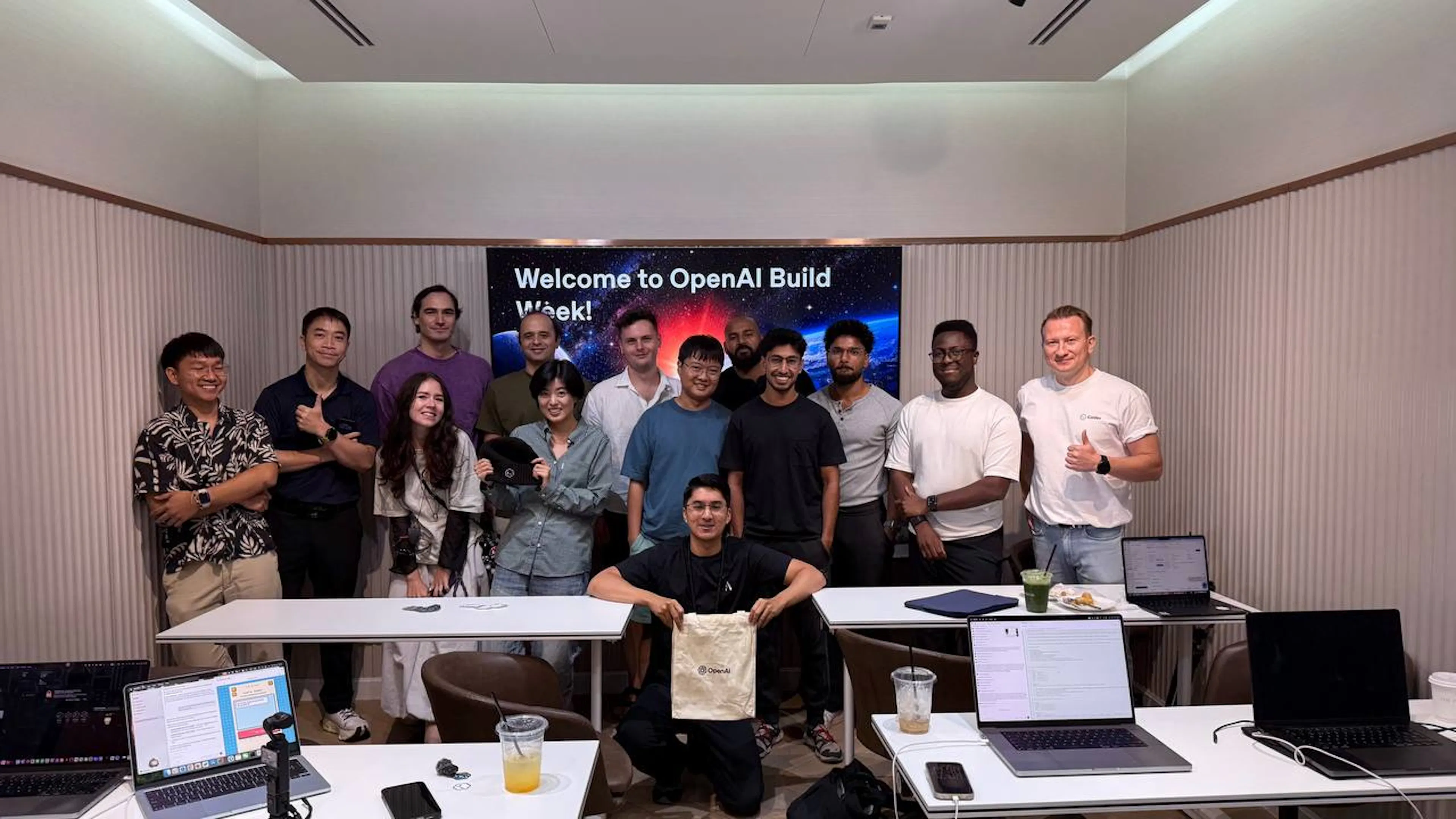
The event reinforced a lesson that applies far beyond Codex: a technical community becomes valuable when members move from consuming information to building and sharing.
If you are based in Thailand, especially Chiang Mai, follow my Codex events and resources page. I share upcoming meetups, workshops, hackathons, recaps, and learning materials there.
My profile is also available in the official OpenAI Codex Ambassador directory.
Official and community links
- Codex Ambassadors program
- Codex Meetups directory
- OpenAI developer community
- My Codex Skills Library
- My Codex Agents Library
- Codex activities in Thailand
The real application starts before the form
A future application can describe your goals. Your existing work demonstrates them.
Build with Codex. Help someone else use it. Create a resource people can reuse. Learn what your community needs. Then, when the next cohort opens, you will have more than an idea; you will have evidence.
Cheers, proflead! ;)
如有侵权请联系:admin#unsafe.sh