
Let's learn about Cloud Native via these 137 free blog posts. They are ordered by HackerNoon reader 2026-7-18 14:0:45 Author: hackernoon.com(查看原文) 阅读量:4 收藏
Let's learn about Cloud Native via these 137 free blog posts. They are ordered by HackerNoon reader engagement data. Visit the Learn Repo or LearnRepo.com to find the most read blog posts about any technology.
Cloud-native refers to an approach to building and running applications that fully leverage the advantages of the cloud computing delivery model. It emphasizes speed, agility, and resilience through technologies like containers, microservices, and continuous delivery, allowing organizations to innovate faster.
1. How to Handle Kubernetes Secrets with ArgoCD and Sops

In this article, we will look into common ways to secure secrets in a Kubernetes application and how to manage them in a GitOps workflow based on ArgoCD with the help of Sops.
2. Helm Sub-Charts Demystified: A Guide to Efficient Deployments

Simplify Microservices Orchestration with a Single Helm Master Chart - One HELM to rule them all !
3. Setting Up a MinIO FTP/SFTP Server — Now With More Data Options Than Ever

While the S3 API is fundamentally superior, it lacks the bare bones simplicity of FTP/SFTP and the ability to run in highly constrained environments.
4. How SQL Can Eat Enterprise Software

In this article, we looked at new ways to use SQL to easily build applications for engineers with little experience.
5. Kubernetes and Helm: A Deadly Combo to Help You Deploy with Ease

If Kubernetes is the pilot that steers the ship, then Helm Charts are the navigational maps that guide the journey correctly. We have seen this happening over the years in the world of software development, one tool comes with an idea, serves the purpose, and becomes obsolete in some years, and then one more tool gets introduced that replaces the old approach, and this journey continues. Similarly, today is the era where Kubernetes is looked upon as the king of container orchestration. Backed by Google, Kubernetes has grown leaps and bounds by increasing its reach and community to every part of the world.
6. Mastering Docker: How to Attach an AWS EBS Storage Volume to Your Docker Container

In an ideal world, Docker containers should be ephemeral without any reliance on external storage. In the microservice world, this is achievable when services are connecting to external databases, queues, and other services.
7. How to create Kubernetes YAML files

This article is intended as a guide for creating Kubernetes manifest files.
8. Rethinking Programming: Network-Aware Type System

Introduction
9. Developing Next-Gen Data Solutions: SingleStore, MinIO, and the Modern Datalake Stack

The integration of SingleStore, a cloud-native database known for its speed and versatility, with MinIO forms an important brick in the modern datalake stack.
10. Elasticsearch Updates, Inserts, Deletes: Understanding How They Work and Their Limitations
For a system like Elasticsearch, engineers need to have in-depth knowledge of the underlying architecture in order to efficiently ingest streaming data.
11. It's Not Kubernetes. It Never Was.

Kubernetes isn't breaking your multi-cloud strategy; your org structure is. A senior engineer explains why your deployment pipeline is fighting you.
12. 300 Scholarships Up For Grabs at The School of Cloud Computing Courtesy Udacity and SUSE

Apply today for Udacity’s SUSE Cloud Native Foundations Scholarship program and learn the skills you need to become a cloud native developer.
[13. Cloud & DevOps Market in China:
A Brief Overview](https://hackernoon.com/cloud-and-devops-market-in-china-a-brief-overview-wcu30p8)

China is a massive internet and mobile-based internet market. China's cloud needs are growing at high speed. Still, the government’s long-standing protectionist policies, foreign cloud service providers face significant challenges competing with Chinese tech giants such as Alibaba Cloud and others. China acts differently when it comes to cloud and DevOps practices. While the whole world embraces AWS, Microsoft, Google for their cloud-related needs, that is not the case when it comes to China, Alibaba seems a clear winner of the most market share followed by Tencent Cloud, Baidu Cloud, and others. Today we will see a brief about China’s cloud and DevOps market.
14. How To Deploy an Application Using Jenkins, Tomcat Server, and PollSCM
In this guide, we are going to use Docker to configure Jenkins and Tomcat to achieve Continuous Integration/Continuous Deployment.
15. Microsoft's DAPR (Distributed Application Runtime): An Overview
Discover the powerful capabilities of Dapr by implementing a sample application with microservices leveraging the actor model to foster its strengths.
16. Top 7 Kubernetes Security Practices Everyone Should Follow

Kubernetes is the Greek word for helmsman or pilot. It is now accelerating the digital transformation at firms by helping them transition away from legacy technology and embrace cloud-native software development. The recent KubeCon event had a gathering of more than 12,000 developers and executives from around the world in San Diego. Every company wants to take advantage of Kubernetes and its ability to automatically deploy, manage, and scale software workloads in the cloud.
17. How to Nginx Reverse Proxy with Docker Compose
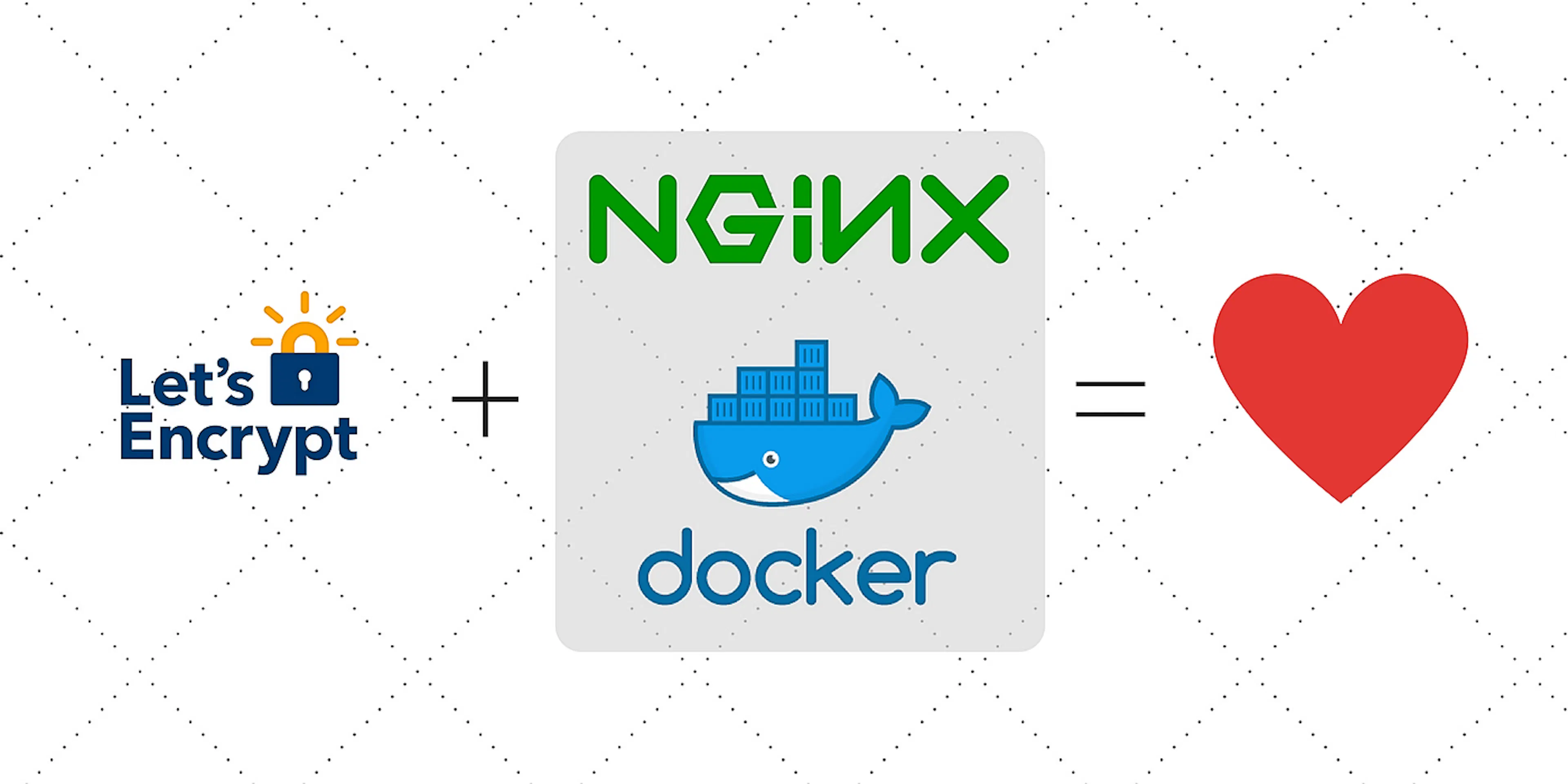
While developing a web application, a common method of calling the application from a local machine is through http://localhost:x ports, which essentially means that we are required to expose several ports to access different modules of the application. In the article below, we will go through the method of using Reverse Proxy to call an application and the benefits of using it.
18. How to Set Up Jenkins on Kubernetes
This guide will walk you through the process of setting up Jenkins on Kubernetes. Jenkins is a widely-used open source CI server that provides hundreds of plugins to support building, deploying and automating your projects.
19. ‘Security’ in Cloud-Native: Everything You Ever Want To Know

Enterprise networks and data security risks have never been this monumental as they are in today’s day and age. Nonetheless, traditional approaches, including those used by operators of public clouds, are essentially more or less the same.
20. Apache Cassandra – An Essentials Guide
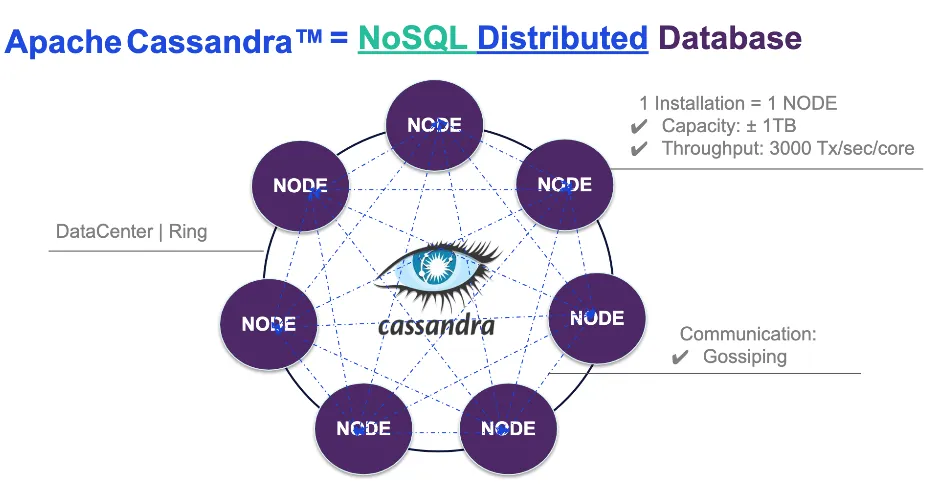
Need to get up to speed on Cassandra and learn how it can benefit your software development practices? These are the essentials that cover the basics.
21. Important Differences Between Cloud-Based, Cloud-Enabled, And Cloud-Native Apps
Learn the difference between Cloud-Based, Cloud-Enabled, and Cloud-Native Applications.
22. How to validate Kubernetes YAML files

How to use use the Shift Left Philosophy to validate Kubernetes Manifest files.
23. How To Deploy A Scalable Cloud Storage Using Rook And Ceph Storage [Part 1]

It goes without saying that if you want to orchestrate containers at this point, Kubernetes is what you use to do it. Sure, there may be a few Docker Swarm holdouts still around, but for the most part, K8s has cemented itself as the industry standard for container orchestration solutions. As Kubernetes matures, the tools that embody its landscape begin to mature along with it. One of the areas we have seen some optimization, in particular, is in cloud-native storage solutions.
24. CKAD and CKA Certifications: Which to Take First and How to Prepare
With around 50% developers CKA or CKAD certified, we share our experiences, study material, mistakes to avoid, FAQ, etc. about the CKA and CKAD certification.
25. The Containerized Software Development Guide

How to develop software in containers
26. Rethinking Programming: Making Sequence Diagrams Cool Again

Introduction
27. Microservices Wars: Spring Boot Vs. Ballerina
Microservices is an architectural style used for creating applications made of individual fine-grained services, which encourages functional decoupling, re-usability, and scalability. This is becoming increasingly popular compared to the monolithic applications we generally build. Monoliths generally lack the flexibility given by microservices in separating out functional components to have their own independent development teams, lifecycles, and deployment.
28. The Adoption of Microservices Architecture for Cloud-Native Applications

In this article, we've explored the world of microservices and native applications as well as how Docker can be used to build, run, and deploy them
29. Beginner's Guide to Deploying a Spring Boot App to Azure App Service
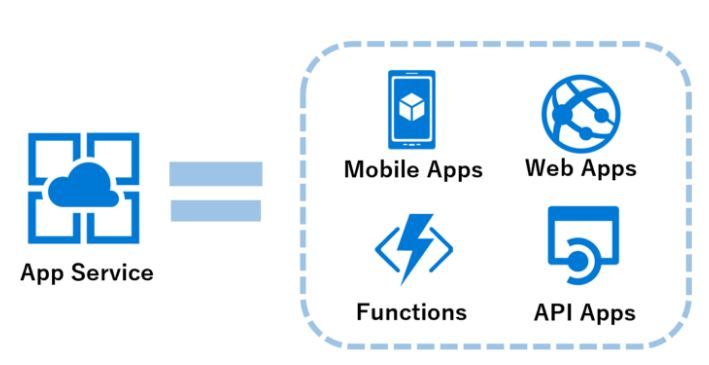
If you are building a Java-based spring boot app, but struggling to deploy app to Azure Cloud, this blog post is for you. It will provide a brief introduction of Azure App Service and App service Plans and a step-by-step guide to deploy Java based Spring boot app to Azure App service.
30. Workflow Automation: Jenkins Pipeline with Sonarqube and Gitlab

In this guide, we are going to deploy a continuous integration process between Jenkins, GitLab, and SonarQube.
31. DevSecOps: Shifting Left and Shifting Right

Organization’s ability to cope with the complexity of delivering software at high velocity, with confidence and excellent quality, in a multi-speed IT landscape and hybrid environments has become a reality with the DevOps best practices like continuous integration, continuous delivery, and continuous deployment. But there have been shifting approaches that are confusing to Devops people, 'shift left' and 'shift right.' So, the question is, what exactly are we shifting here?
32. Enhancing Kubernetes Resource Management with SharedInformers
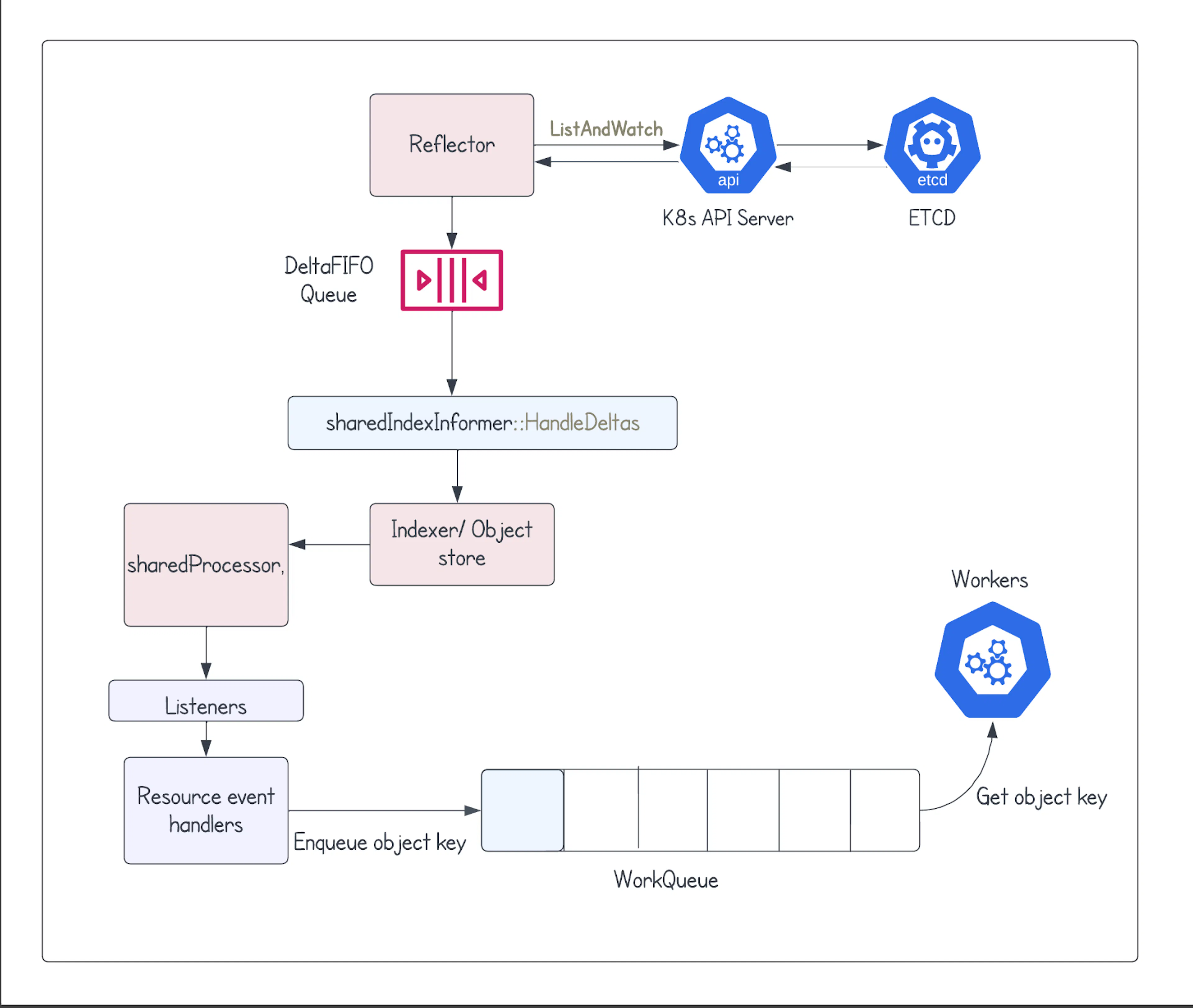
Learn about informer—a crucial component of Kubernetes controllers and operators.
33. Why GitOps is so exciting?
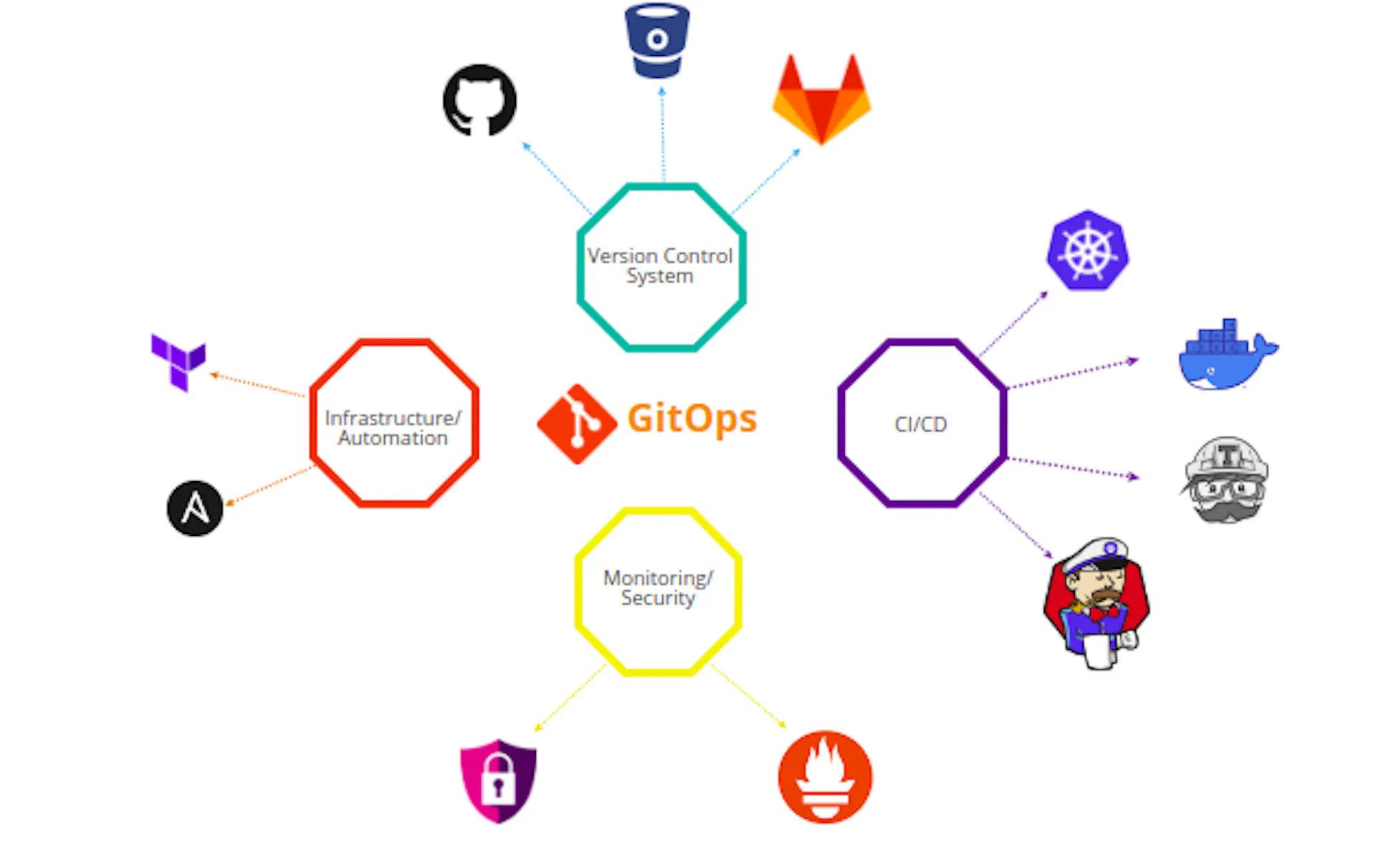
Initially, we have seen DevOps, DevSecOps and many other ops but nowadays a new terminology “GitOps” is getting famous. Its fame has reached to this level that it was a trending topic at KubeCon.
34. The Noonification: Craig Wright is Satoshi Nakamoto (12/17/2023)

12/17/2023: Top 5 stories on the HackerNoon homepage!
35. Testkube: K8s Native Testing Tool
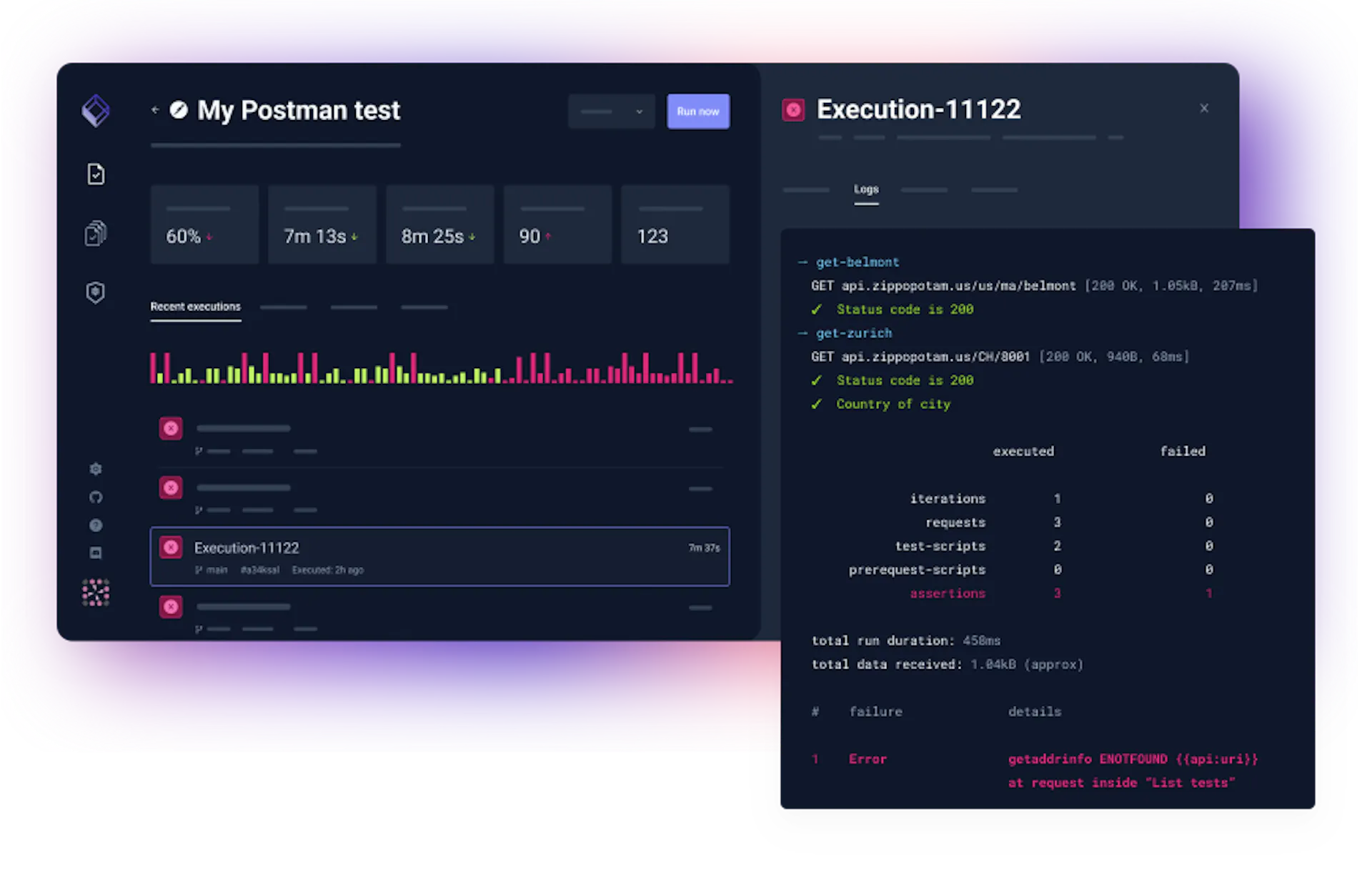
More background information on the Cloud Native Testing Tool, Testkube.
36. Deploying Apache Kafka With Kubernetes

Deploying Kafka on Kubernetes is a low-effort approach to setting up an event-driven architecture to support your API ecosystem in the cloud.
37. How To Successfully Migrate Data From DynamoDB To Bigtable And Spanner

Being informed and relevant aren’t enough to catch a moving target that’s disappearing every 24 hours.
38. MACH Architecture: A 2023 Guide
In this comprehensive guide, we'll look at MACH architecture, how it works, and what benefits it can offer your business in 2023.
39. Efficient Microservices: Harnessing the Power of Data Compression in Direct Service-to-Service.

Explore efficient data compression in proxyless microservices, focusing on challenges, GZIP/Snappy implementation, and deep performance analysis.
40. Kubernetes API Operator: Apply API Management for Istio Microservices

A service mesh’s primary objective is to handle internal service to service communication, while an API Gateway handles external client to service communication. It is required to apply API Management for the microservices that are in a service mesh. Although they overlap in some cases, service mesh’s focus and API Management focus is different. For an example, API gateway handles north south traffic, while service mesh handles east west traffic.
41. 5 Tips to Be More Productive With Kubernetes

I like to read about and see how people set up their environments and any tools, tips, and tricks they use to be more productive when working with Kubernetes and Istio. What follows is a collection of 5 tips and tools that I use daily, and I think it makes me more productive with Kubernetes and Istio.
42. Step-By-Step Tutorial To Deploy A Node.js App To Kubernetes
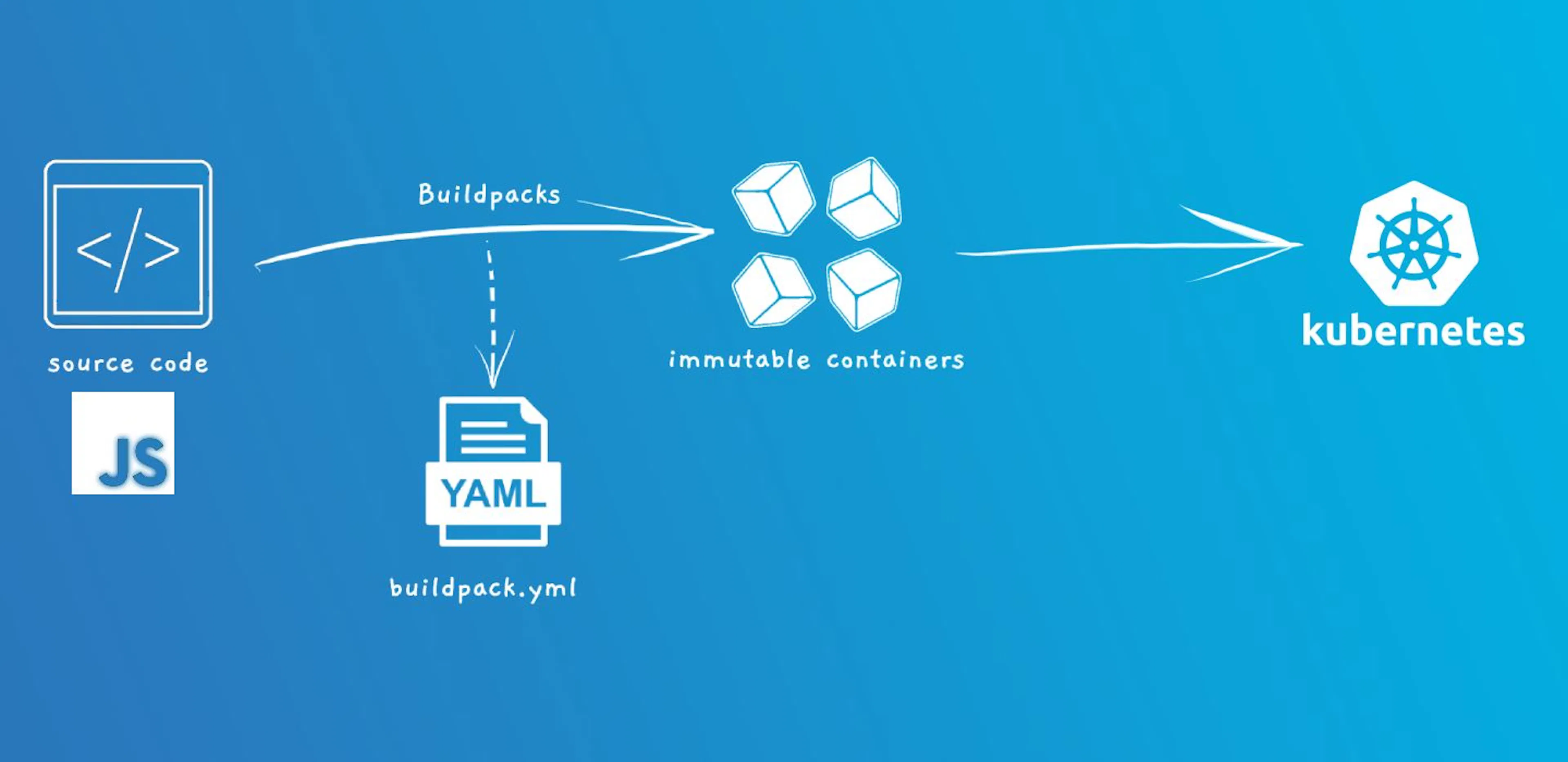
The Cloud Foundry project cf-for-k8s, along with a Cloud Native Buildpacks implementation called Paketo Buildpacks, can provide a path for JavaScript applicatio
43. Hybrid Observability Unifies Metrics, Logs, Traces, and Data Into a Single Pane of Glass

Hybrid observability unifies metrics, logs, and traces eliminating silos and accelerating incident response in distributed systems.
44. Why Kubernetes Is The Best Technology For Running A Cloud-Native Database
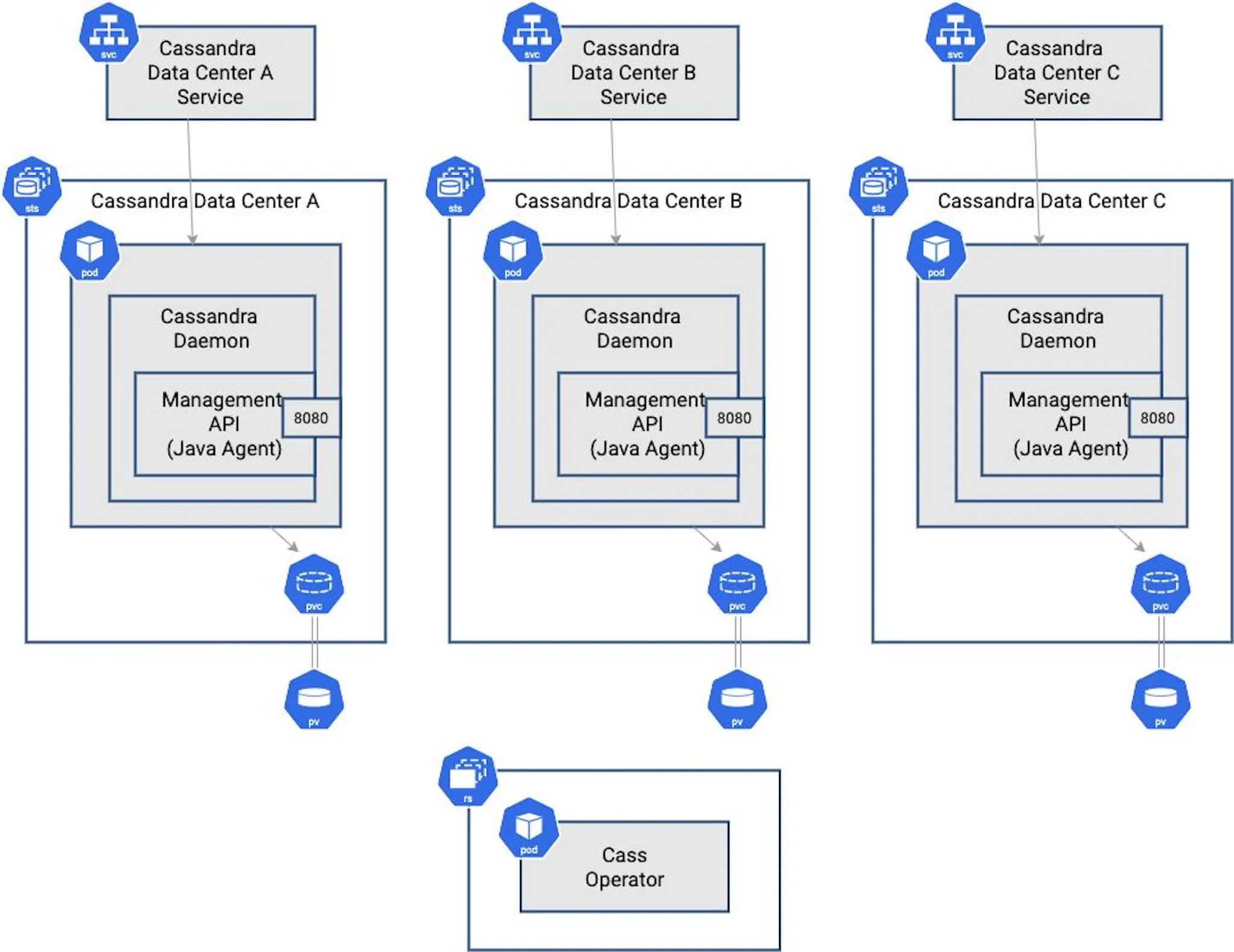
We’ve been talking about migrating workloads to the cloud for a long time, but a look at the application portfolios of many IT organizations demonstrates that there’s still a lot of work to be done. In many cases, challenges with persisting and moving data in clouds continue to be the key limiting factor slowing cloud adoption, despite the fact that databases in the cloud have been available for years.
45. Kubernetes CRDs Explained: What are They and How to Use Them to Extend Your Kubernetes APIs
CRD is a special resource in Kubernetes. Read along if you want to expand upon the capabilities of regular Kubernetes and create your own solution.
46. The Future of WebAssembly Through the Eyes of a Veteran Kubernetes Engineer

After years of investment in Kubernetes, why should devs care about WebAssembly? By bringing these 2 technologies together, it's possible to get more out of K8s
47. This AI Tool Turns Kubernetes Commands Into Conversations

Manage Kubernetes with natural language using kubectl-ai. Powered by LLMs like GPT-4 and Gemini, it's kubectl with brains.
48. Micronaut vs Quarkus vs Spring: The 2026 Java Framework Shootout

Spring Boot, Quarkus, or Micronaut? A practical 2026 comparison of startup speed, memory, DI, and developer experience for Java microservices.
49. 10 Strategic Technology Trends Businesses Should Plan for in 2021

Information technology is an ever-evolving field where organizations are exploring specific technology trends, and CxOs are striving to adopt the changing scenarios to compose a better future for the business. Gartner's research president Brian Burke has grouped organizational strategic technology trends into three different categories- people centricity, location independence, and resilient delivery. He also suggests organizational plasticity is the key to strategic tech trends.
50. When On-Premise is Better than the Cloud

Despite the common preference for cloud deployment, there are still merits to deploying on-prem.
51. Workflow Automation: Publishing Artifacts to Sonatype Nexus using Jenkins Pipelines

In this guide, we will use Jenkins as a Continuous Integration server and Nexus as a build repository.
52. TeamCode Pylon vs. Docker: Which is the Better Dev Environment?
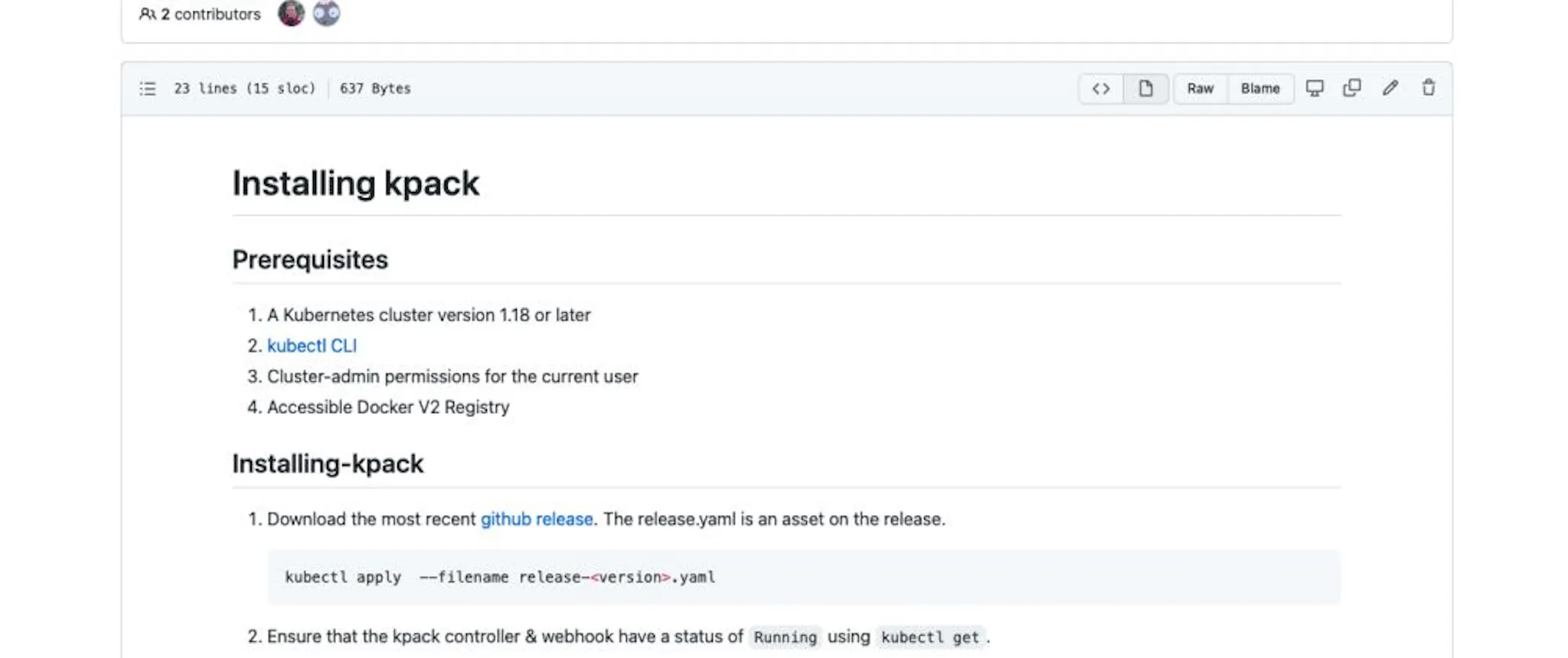
In addition to avoiding the cumbersome development processes, DCS can also become an online preview test service, improve the efficiency of the whole team.
53. Enabling Multi-Cloud Kubernetes Communication with Skupper

Intro
54. Rethinking Programming: From Code to Cloud
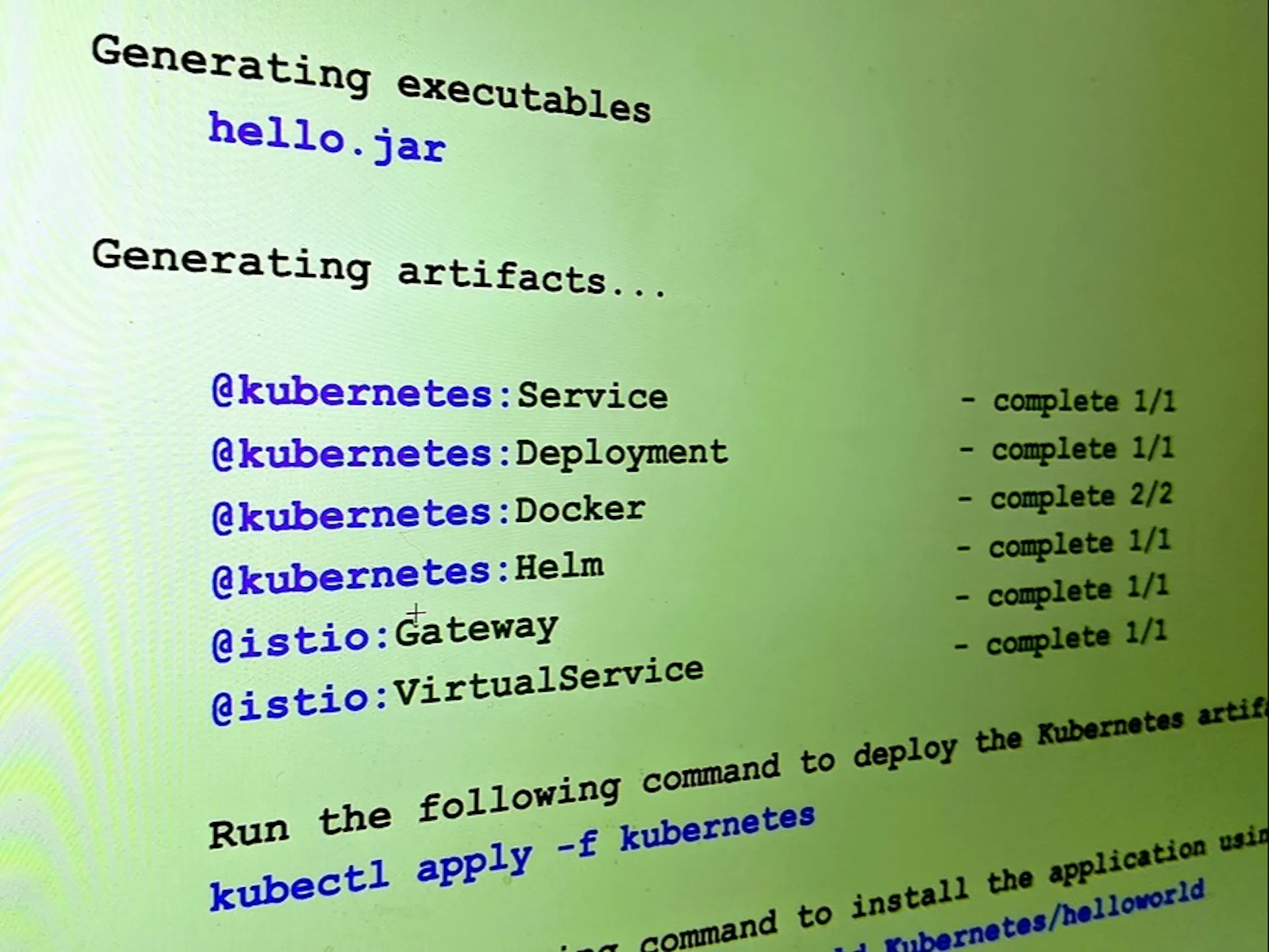
Earlier, developers simply wrote their program, built it and ran it. Today, developers need to also think of the various ways of running it whether it be as a binary on a machine (virtual most likely), by packaging it into a container, by making that container a part of a bigger deployment (K8s) or by deploying it into a serverless environment or a service mesh. However, these deployment options are not part of the programming experience for a developer. The developer has to write code in a certain way to work well in a given execution environment, and removing this from the programming problem isn’t good.
55. 6 Data Cybersecurity Challenges with Cloud Computing

It is important to keep your data safe and secure. Here are six challenges in that hosting your data on the cloud can pose and how your data security can help.
56. Answering Apache Cassandra FAQs

Here are some of the top things developers want to know about the highly scalable, reliable NoSQL data store Cassandra.
57. Cloud Native Applications: 4 Building Blocks You Need in Your Platform

To create amazing cloud native applications your platform needs these components: Kubernetes, Continuous Delivery Pipelines, Edge Stack, and Observability. This article will explain the importance of each component.
58. Developing, Deploying and Testing Flask Applications on Kubernetes - Part I
In this step by a step blog post, that illustrates how to integrate Python Flask applications with Docker and run them in a Kubernetes cluster, we will cover the following topics:
59. Abstraction Layers and API's for Cloud Native Environments

Separation of concerns, abstraction layers and API's
60. Kubernetes And Containers, Explained ☸️💡🎉
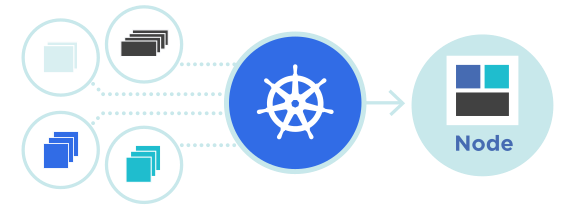
Kubernetes is the de facto standard for running containerized applications. Kubernetes (K8s) is an open-source system for automating deployment, scaling, and management of containerized applications.
61. Top 5 Cloud Migration Strategies You Need to Know

A cloud migration strategy is a plan a company can adopt to move some or all data and systems into the cloud.
62. An Essential Guide to Kubernetes Observability Challenges with Pixie

Debugging on K8s is hard The main reason that makes Kubernetes observability so difficult is the volatile and dynamic nature of workloads and resources.
63. Cloud-Native Buildpacks, BuildKit, and Container Images: Qu'est-ce Que C'est?

In this article, we’ll do a deep dive into the Buildpacks BuikdKit frontend implementation and see how it actually works under the hood.
64. Kubernetes Terraforming on Linode: Linode + Terraform + Kubernetes = Cloud Nirvana

Let's discuss the process of "Terraforming" a Kubernetes cluster on Linode using Terraform to help organizations efficiently manage and scale infrastructure.
65. Fulfilling the Cloud Native Promise: Autoscaling for Apache Pulsar Is Here!

We're pleased to to introduce Kubernetes Autoscaling for Apache Pulsar, or KAAP. KAAP is a Kubernetes operator that is available on OperatorHub.
66. Monitoring Kubernetes Components using Prometheus

Monitoring is a crucial aspect of any Ops pipeline and for technologies like Kubernetes which is a rage right now, a robust monitoring setup can bolster your confidence to migrate production workloads from VMs to Containers.
67. An Introduction to Serverless Cloud Import Systems
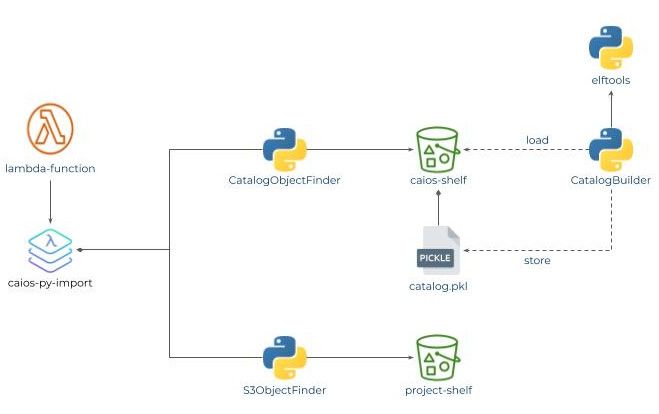
Python Cloud Importer was developed as a part of the Cloud AI Operating System (CAIOS) project described at a high level in a separate article. Here, we are going to provide a more detailed account of motivation and internal design of this part of the system. In this paper, a Serverless Python Importer will be covered in detail. However, general principles presented are equally applicable to any programming language. In order to understand why we decided to develop it why Cloud Importer plays such a crucial role in CAIOS, we first need to cover the basics.
68. How To Reduce Risks And Prepare For The Unknown

To be Always On in uncertain times, mundane must be your new black.
69. Goodbye, Cost-depth Trade Off: Cloud-Native Observability, Redefined

It turns out that, by rethinking the fundamentals of your approach to monitoring, you can have it all
70. API Programming Doesn't Need To Be Hard
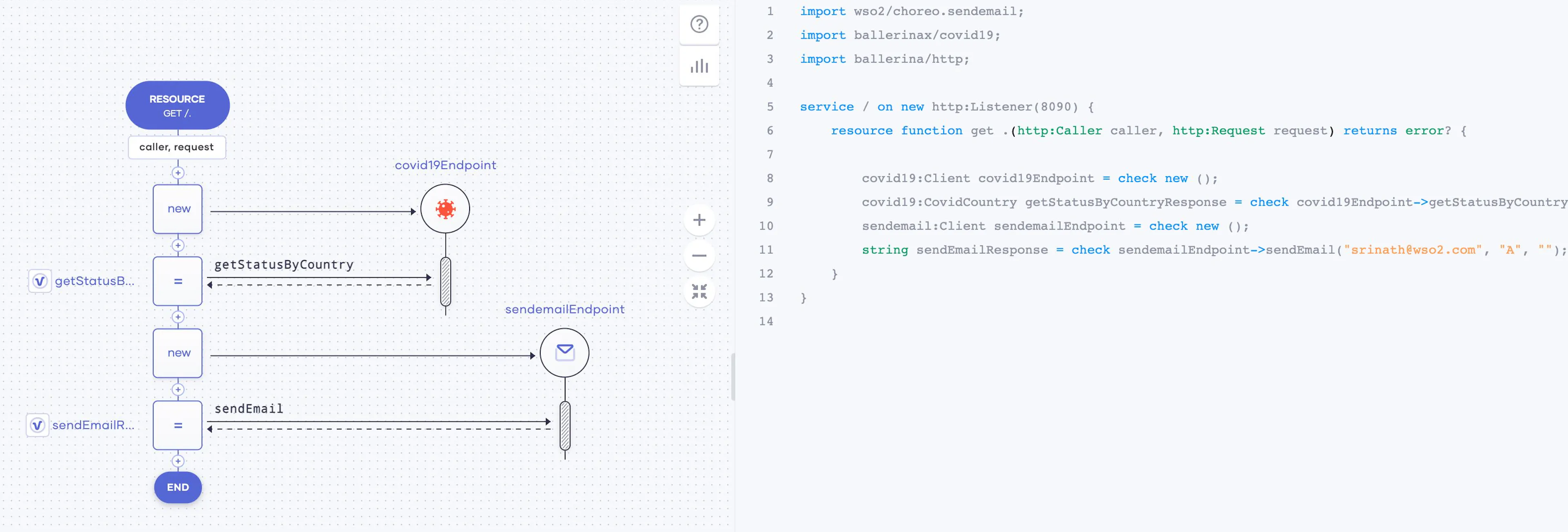
APIs, if you know how to tame and harness them, are a superpower. Choreo is a Cloud IDE that is built to make API creation, management, and composition a breeze
71. Introducing Apache ShardingSphere 5.2.0!

ShardingSphere 5.2.0 is released bringing new cloud-native possibilities, elastic migration from Oracle, MySQL, and PostgreSQL, and more features & enhancements
72. What Are Cloud Native Buildpacks? A Simple Walkthrough

Build OCI images without a Dockerfile using Cloud Native Buildpacks. Automate best practices, enhance security, and streamline deployment effortlessly.
73. Solving IP Range Overlap in Multi-Cloud Environments: A First-Hand Account

A hands-on guide tackling overlapping IP ranges in multi-cloud environments from a real-world experience. Essential reading for cloud architects and tech leads.
74. Microservices: The Why and When

With people switching to cloud-native strategy, we need an architecture that supports it. A variant of Service-oriented architecture, microservice architecture
75. Murre - the lightweight K8s metrics monitoring tool

76. A New Way to Provision Databases on Kubernetes
Percona Everest is a cloud-native database platform to deploy and manage enterprise-grade PostgreSQL, MongoDB and MySQL database clusters.
77. 7 SaaS Metrics that Affect Growth in 2022
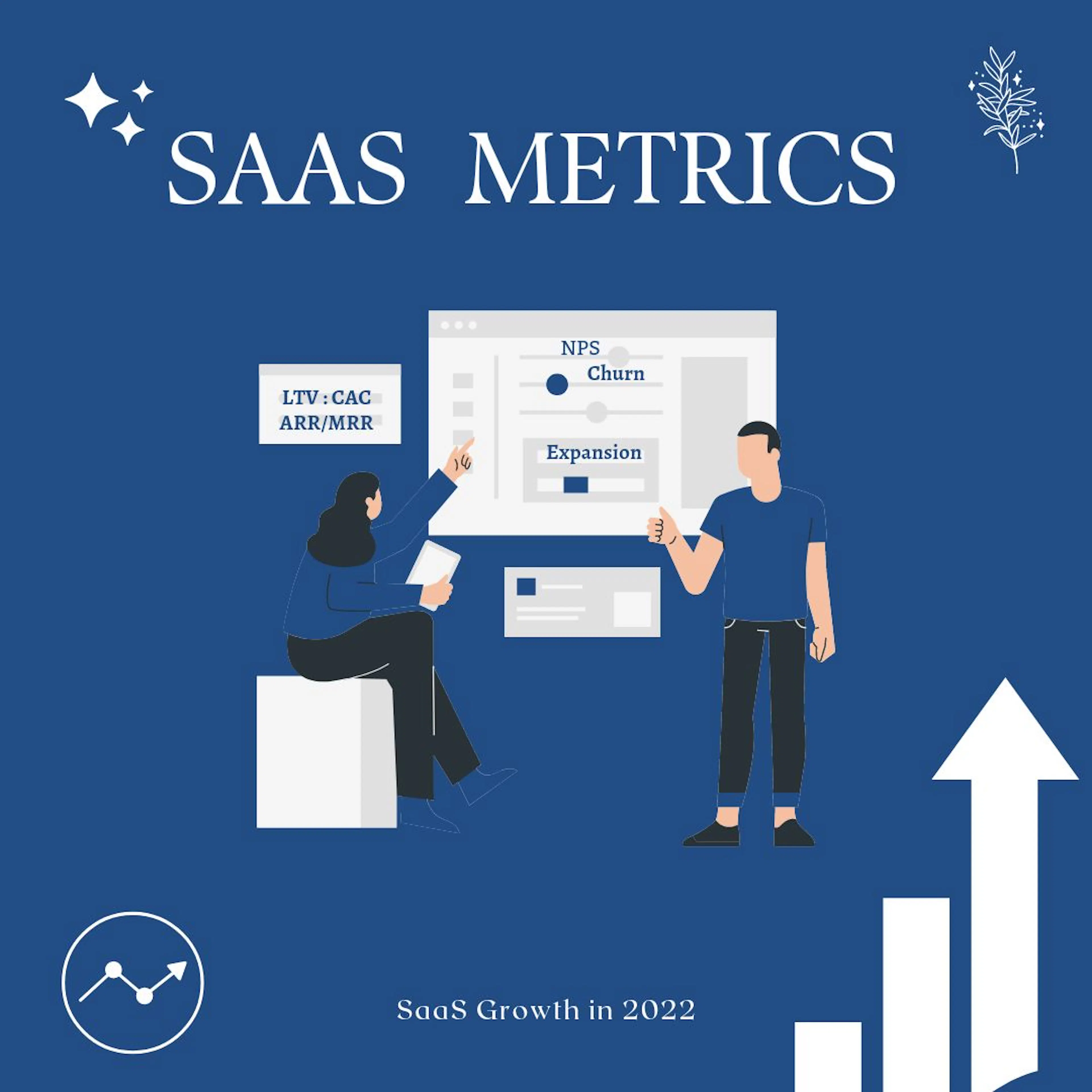
This guide provides actionable insights on the most important SaaS metrics, how they’re calculated, and how you can use them to improve your business.
78. Mastering Microservices: Building Effective Architecture Governance for Scalability and Stability

Use the right tools to regain control of microservices with architecture governance to boost scalability, reduce complexity, and maintain system resiliency.
79. Do Database Administrators Still Matter in the Age of Managed Databases?

Discover how the database administrator role is evolving with managed services like AWS RDS.
80. How to Use In-Cluster Communication to Secure Kubernetes

Cloud-native applications require a different architectural approach.
81. Why CNAPP is Critical for Cloud Security

This comprehensive guide explores the advantages, functionality, and significance of CNAPP in cloud security, including its ability to protect cloud-based app.
82. Enhancing Dockerized Application Deployment: File Passing Strategies with Helm Charts

This blog explores how to create a standardized image, inject necessary variables in the form of a file, and deploy it on a Kubernetes cluster.
83. Are You Behind on Cloud Migration?

The cloud is quickly becoming the standard for IT operations. However, concerns still keep some businesses from making that transition.
84. The Future of Integration-Platforms-as-a-Service (iPaaS)

An analysis of the future direction of iPaaS, and the features and technologies that it is made up of. Introduces Choreo as a new generation iPaaS offering.
85. Build an API using Ballerina

Ballerina language is the latest cloud-native programming language that supports building backend applications and integration workflows easily.
86. Cloud Computing: An Explanation for Everyone

Explore cloud computing: tasks, benefits, types, and device-cloud dynamics. Essential insight into technology's evolution.
87. Kubernetes: The King Of The Cloud-Native Jungle

Google’s Kubernetes (K8s), an open-source container orchestration system, has become the de facto standard — and the key enabler — for cloud-native applications, and the way they are architected, composed, deployed, and managed.
88. Your Serverless Guide is Ready
Learn everything you need to know about Serverless, including case studies, essential concepts, guidelines, and best practices.
89. Guiding Observers Through Prometheus' Architecture

We heard of Prometheus being an open-source solution for system monitoring, thanks to SoundCloud. But what are its other use cases? How is it being leveraged?
90. Can You Ignore Resiliency When Building Cloud Native Apps?

Temporal's Samar Abbas believes developers shouldn’t have to even think about losing state.
91. How To Get Better at Kubernetes

Here are some operators and advanced use cases for them to help you level up your Kubernetes game and to get even better at programming with that language.
92. 4 Best Cloud Deployment models
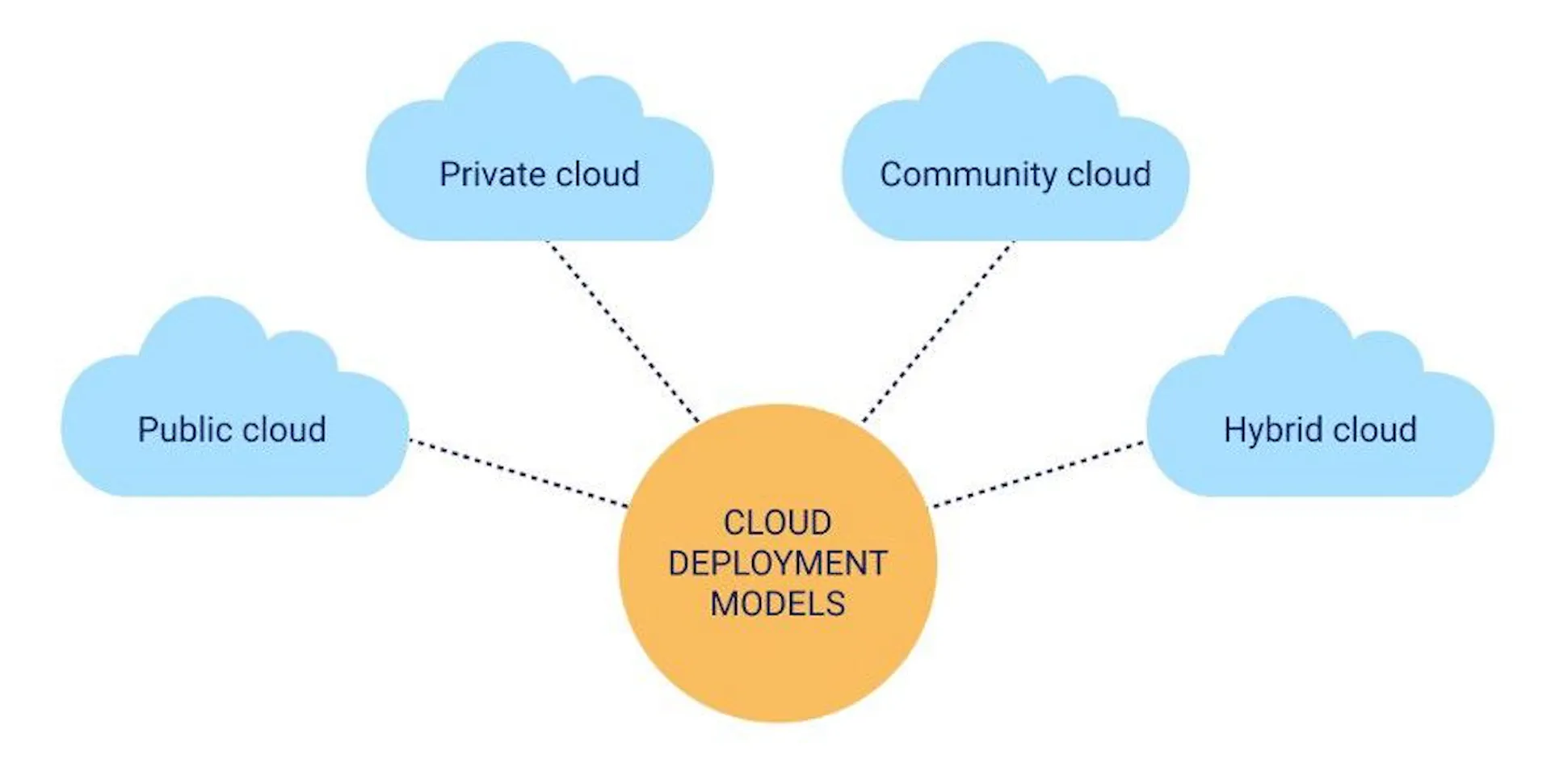
93. Introductory Guide to the Interoperable Building Box (IBB)
The IBB (Interoperable Building Box) is orchestration software running on a physical or virtual machine that exists on-prem; the IBB acts as a standardized inte
94. Why Wink Adopted a Cloud-Native Infrastructure Backed by Kubernetes-Docker-CoreOS Container Linux
This blog covers why Wink adopted a Cloud-Native Infrastructure Backed by Kubernetes-Docker-CoreOS Container Linux stack. Learn more.
95. 10-Day .Net Aspire Challenge: Day 1 - An Introduction to .Net Aspire
Step-by-step guide on how to use the .Net Aspire framework in Visual Studio.
96. Improve Kubernetes Network Security with Cilium

This article will show how to, using Cilium, tackle the authorization concern and move to push it to the underlying platform from the application code.
97. An Overview of Load Balancing Challenges

Not all traffic can be arbitrarily routed.
98. Alibaba Cloud’s OpenSergo & ShardingSphere Release Database Governance Standard for Microservices

ShardingSphere partners with Alibaba Cloud's OpenSergo to combine Database Plus & Database Mesh and release a database governance standard for microservices.
99. What Does "Building a Cloud-Native Application" Really Mean?

The inexplicable popularity of the term "cloud-native" is without real meaning. "Cloud-Native Apps" is an overused (even abused) term in the tech industry.
100. Kubernetes Security 101: Cloud Native Runtime Security with Falco
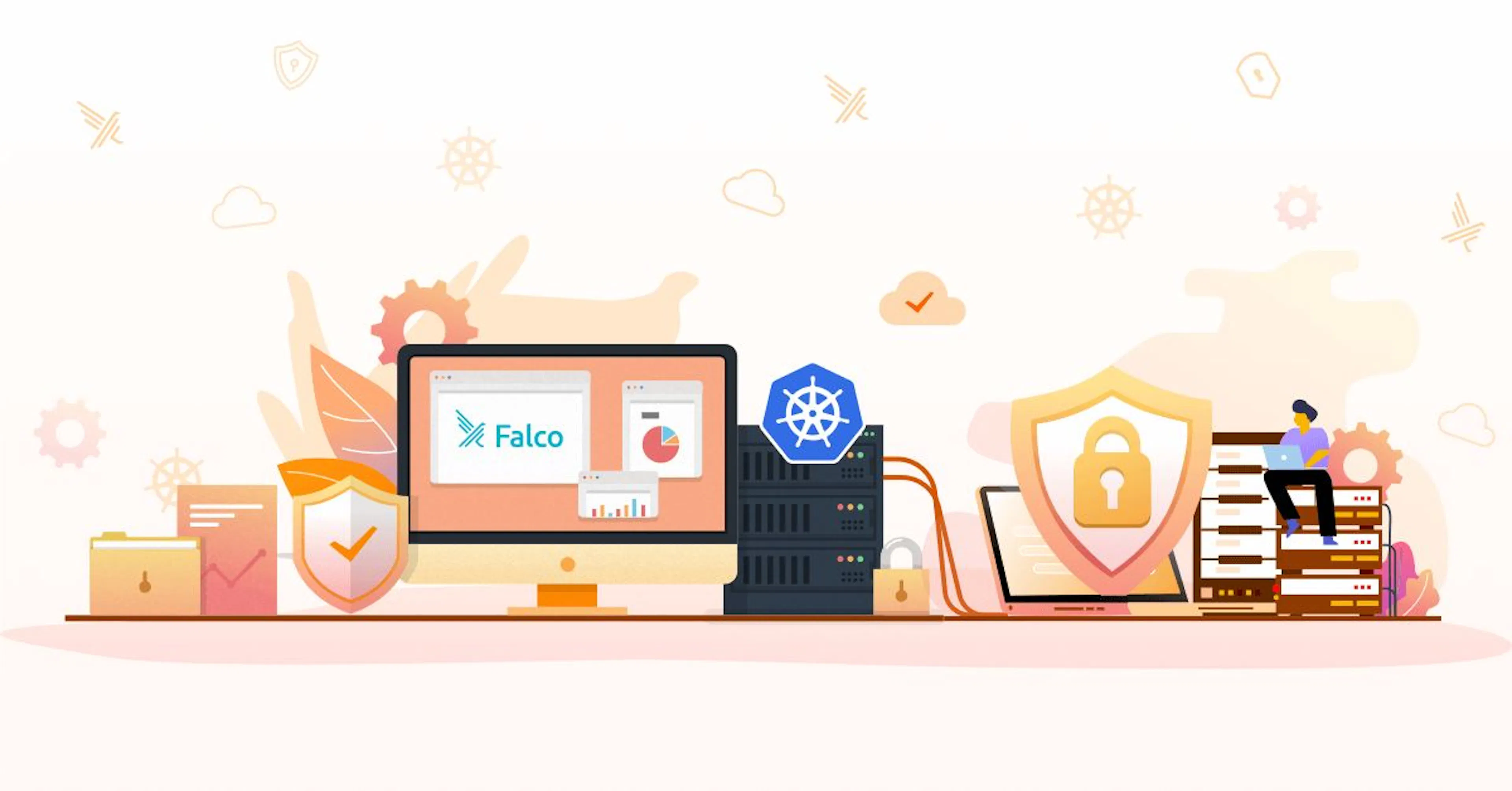
As Kubernetes continues to grow in adoption, it is important for us to know how to secure it. In a dynamic infrastructure platform such as Kubernetes
101. Cloud Repatriation: The Misguided U-Turn on Cloud Investment

Cloud repatriation is rising, but it’s often a misstep. Learn why cloud ROI depends on design, governance, and embracing cloud-native practices.
102. Evolution of Wasm Standards: Building the Component Model

There are many new standardization efforts happening in the WebAssembly (Wasm) space, check out this journey into the history & progress of the Component Model.
103. The OpenTelemetry Evolution: From Vendor Lock-in Nightmare to Observability Freedom
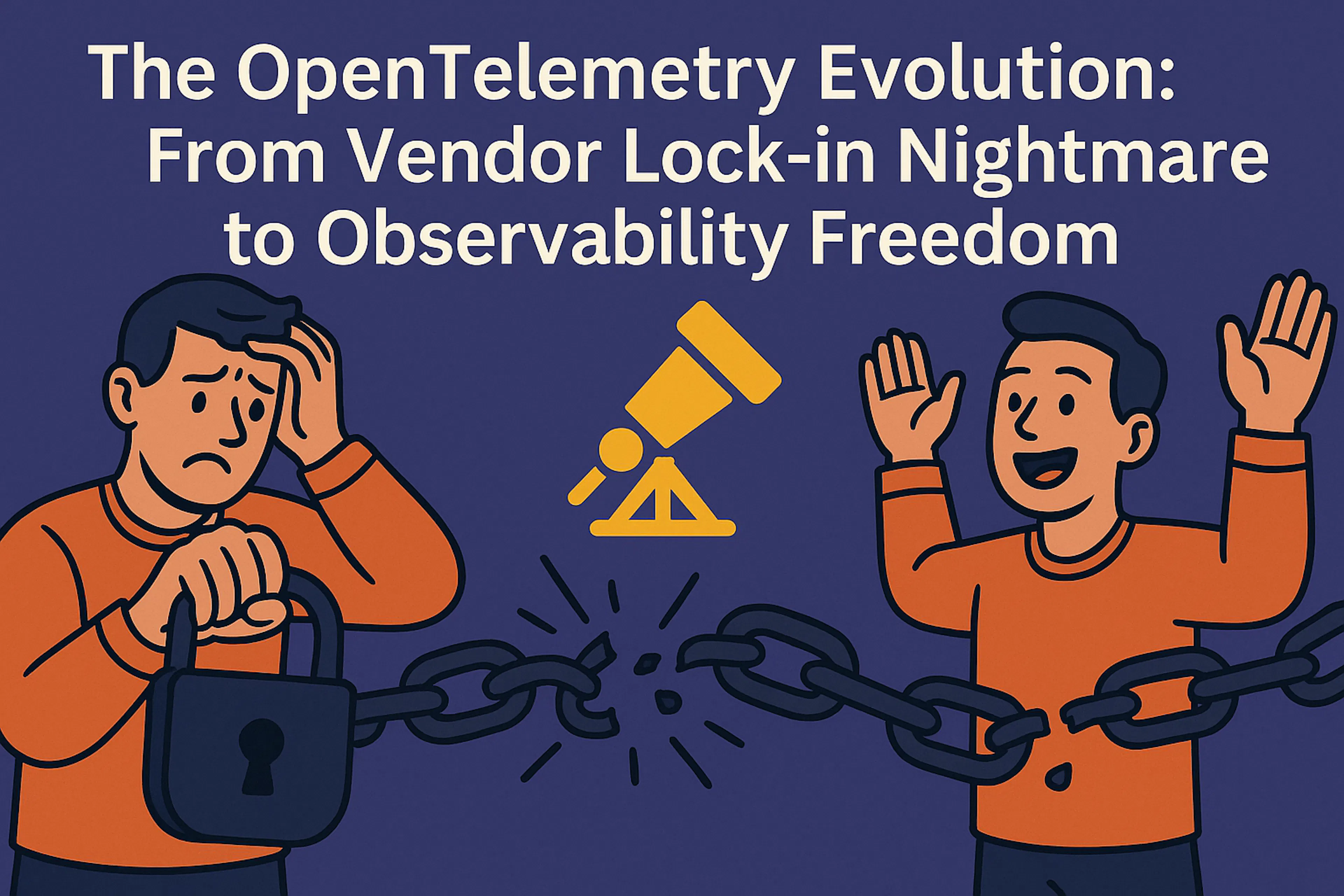
OpenTelemetry is a unified observability standard. The project has evolved from a promising standard to a feature-complete observability platform.
104. Decoding 5G Security: An Overview

5G standards and procedures have security deeply embedded by design. This is a complete departure from earlier generations of telecom networks.
105. Engineering Resilience: A Deep Dive into Chaos Engineering in Distributed Systems
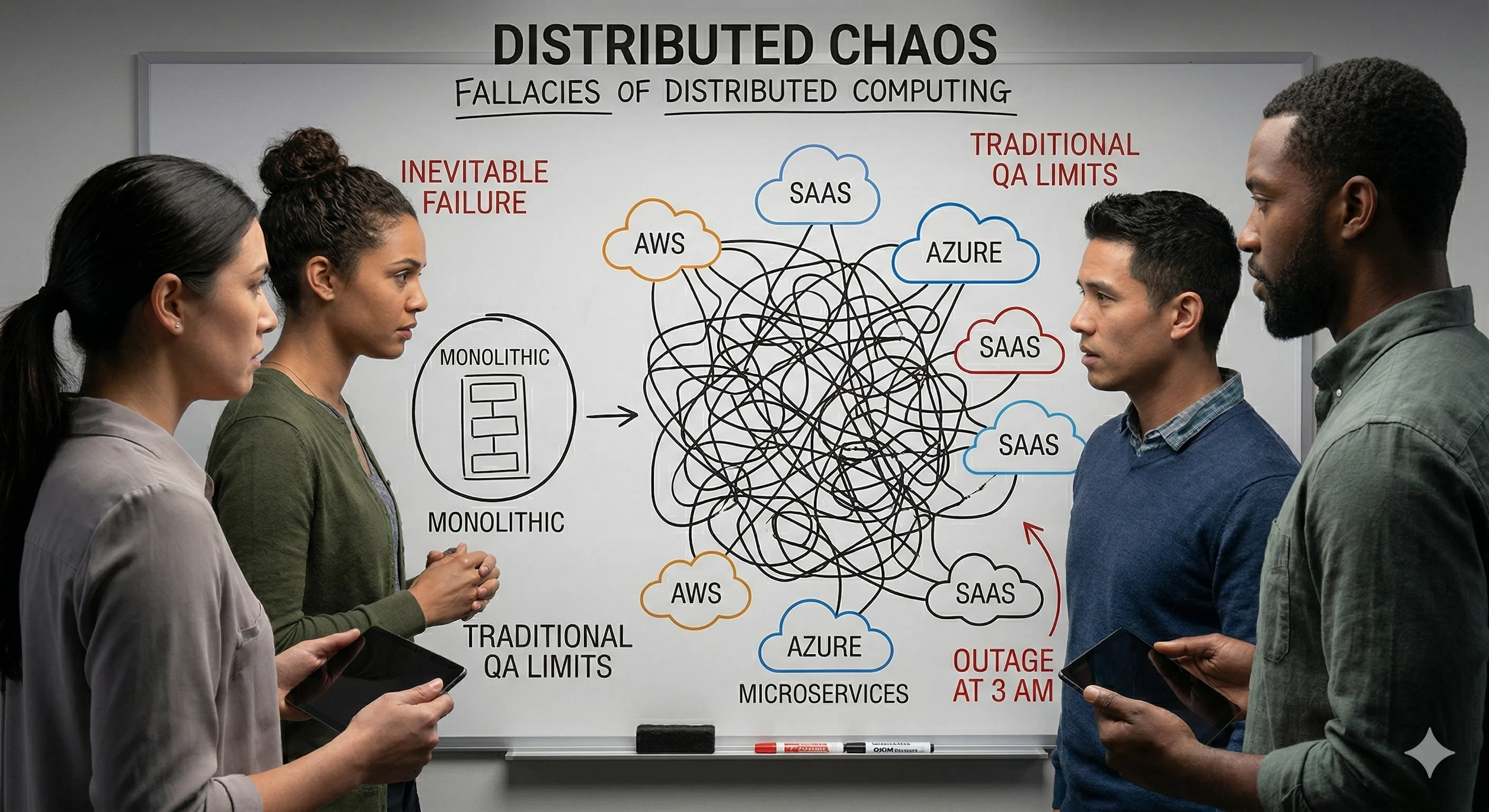
Master Chaos Engineering to build resilient distributed systems. Explore hypothesis testing, blast radius control, and tools like AWS FIS vs. LitmusChaos.
106. Monitoring Essential Metrics for Cloud Native Systems - Part 1

Dashboards aren’t enough. Learn the difference between monitoring and observability and the four key metrics that help diagnose real production issues.
107. Hono - A Cutting-Edge Backend Framework for Cloud-Native Applications
Hono is a cutting-edge, lightweight backend framework designed for cloud-native applications. Built on Node.js, Hono is optimized for speed and scalability, per
108. Why do you need a Virtual Server? Explained

In this article, you will learn why you need to migrate from a physical server to a virtual one.
109. A Futuristic Outlook That Augmented Profitability: The New York Times Went Cloud Native with GKE
Adopting GKE helped The New York Times increase the speed of delivery. Whereas VM-based deployments took up to 45 minutes, Kunernetes took few seconds.
110. Cloud-Native Yay or Nay: Reasons to Use Cloud-Native Technologies

Cloud-native has been the talk of the town for quite some time now. Some developers think it’s just hyped way too much and will soon diminish from the limelight. Others think cloud-native will revolutionize software development and is here to stay!
111. New WAL Archiving Tool ‘pgrwl’ Delivers Zero Data Loss for PostgreSQL in Containerized Environments

pgrwl enables zero data loss (RPO=0) PostgreSQL backups via streaming WAL archiving, built for containers with S3/SFTP support, compression, and encryption.
112. Security Best Practices for Kubernetes: 2020 Edition
The New Cloud-Native World of Containers
113. Cloud-Native DevOps: A Basic Primer

DevOps, the method of automating processes between development and operations, is one of the essential factors of successfully implementing a cloud-native approach.
114. Cloud Native Applications: Creating a Mail Server Environment with Docker
We’ve all been there. You’ve read a lot about the basics of Docker, Kubernetes, Pods, ReplicaSets, Deployments & more. The different parts that are used to build cloud native applications.
115. How the KubeMQ Messaging Platform Uses Operators to Succeed

The KubeMQ messaging platform uses Operators to help you build complex and scalable messaging services with minimal coding and overhead.
116. Can Multi-Cloud Kubernetes Platforms Make Infrastructure Prices Comparable?

Kubernetes enables you to deploy, scale and manage your container-based applications and multi-cloud management tools simplify the use of different clouds. Together this might help us to finally understand and optimize the pricing of our infrastructure.
117. Why Cloud-Native Banking Systems Demand Security-First DevOps

Why modern banks must embed Zero Trust and DevSecOps into cloud-native systems to secure APIs, microservices, and continuous deployments.
118. Cloud Spending is Rising and Cost Management is Becoming Serious

By understanding cloud costs and implementing cost optimization best practices, tech companies can manage cloud spending for better ROI.
119. The HackerNoon Newsletter: AI Coding Tools Are Bad News for Lazy Programmers (3/12/2025)

3/12/2025: Top 5 stories on the HackerNoon homepage!
120. What to Consider When Choosing Between Self-Hosting and Cloud

One of the biggest challenges of cloud computing is the issue of data sovereignty and how it affects business based on the individual countries regulations.
121. Beginner's Guide To Telepresence: Develop Your K8s Application Locally
This post explains how Telepresence can be used to improve the developer experience for apps being developed for Kubernetes and includes a demo.
122. Kubernetes: Monitoring, Reducing, and Optimizing Your Costs

Over the past two years at Magalix, we have focused on building our system, introducing new features, and scaling our infrastructure and microservices. During this time, we had a look at our Kubernetes clusters utilization and found it to be very low. We were paying for resources we didn’t use, so we started a cost-saving practice to increase cluster utilization, use the resources we already had and pay less to run our cluster.
123. A Look into Remote Debugging and Developer Observability

Connect to remote processes to solve bugs using remote debugging and observability. Learn how you can securely scale your debugging to match growth.
124. Book Review: Effortless Cloud Native App Development Using Skaffold

Skaffold is a cloud native open source framework from Google that lets Spring Boot developers build Kubernetes apps easily and deploy effortlessly
125. Cloud-Native Autoscaling in AWS

Imagine the situation, you have a legacy system partially migrated to multiple services and used by the relatively small amount of concurrent users. And one day stakeholders want to create an open API and expose the system to external clients with the load significantly higher than the existing system can handle, and it should be scalable to handle in the future even more.
126. What It Really Means to Be Cloud-Native: A Practical Checklist
Use these key factors to determine whether a company is genuinely "cloud-native" and fully embracing modern cloud technologies.
127. Migrating DolphinScheduler into K8s: Pitfalls and Lessons Learned from Qihoo 360’s Practic

Today I’m dumping every pitfall and lesson in one place.
128. GitOps For Beginners: Getting Started With Cloud-Native Architectures

GitOps is a way to implement continuous deployment pipelines for cloud-native applications. This beginner's guide dives into getting started with it.
129. Never Worry About Cloud-Native Tech Security Again

If you have embraced the concept of cloud-native computing and principles, you are ahead; you are on the right path in today’s advanced and competitive IT environment. But we need to understand one thing that, moving your development environment and processes to a cloud-native environment can be daunting and challenging. Anybody can merely advise you to move from a monolithic application to a microservices architecture, but from where and how are the questions that need critical analysis.
130. Use the 4-C Framework to Build Observability in Cloud Native Environments

The 4C framework gives us an Observability mental model that answers the “WHY”, “WHAT” and “HOW” the observability should look like in the cloud-native world.
131. My Experience with Integration Testing

"I have to use the test environment for a integration test project at 2-3 pm, please don't publish during that time!"
132. How to Debug Microservices Swiftly and Efficiently with KubeOrbit

KubeOrbit, a cloud-native platform, has made deploying environments and debugging easier than before.
133. The Dangerous Comfort of “Shared Responsibility” in the Cloud

The shared responsibility model doesn’t teach security. It teaches boundaries of blame.
134. Navigate Your Way to Production Bliss with Caretta

The easiest way to map our cluster: Caretta - a standalone OSS tool, leveraging eBPF technology to be lightweight and frictionless
135. [ANN] Serverless Kubernetes Solution For Cloud-Native Apps by CTO.ai
CTO.ai Launches Serverless Kubernetes Platform for Managing Cloud Native Apps
136. The Numbers Are In: Cloud Solutions are Driving and Accelerating Digitalization

What we, as a society, are experiencing today because of this pandemic is profoundly unique to our generation.
137. Enter the Cloud Native Dojo: Blackbelt-Level Debugging

In this article I want to go over three big challenges we face when debugging modern applications: polyglot debugging, unreproducible and data pollution
Thank you for checking out the 137 most read blog posts about Cloud Native on HackerNoon.
Visit the /Learn Repo to find the most read blog posts about any technology.
如有侵权请联系:admin#unsafe.sh