嗯,用户让我总结这篇文章的内容,控制在一百个字以内,而且不需要特定的开头。首先,我需要通读文章,抓住主要信息。 文章讲的是GIGABYTE Control Center存在一个任意文件写入漏洞。这个漏洞允许远程未认证的攻击者访问主机上的文件。成功利用可能导致代码执行、权限提升和拒绝服务。GCC是预装在GIGABYTE设备上的工具,用于硬件管理。问题出在“配对”功能上,版本25.07.21.01及更早版本受影响。台湾CERT警告说攻击者可以写入任意文件,导致代码执行或权限提升。CVE编号是CVE-2026-4415,严重性评分9.2。建议升级到最新版本25.12.10.01,并从官方渠道下载以避免恶意安装程序。 现在要总结这些信息,控制在一百字以内。我需要涵盖漏洞名称、影响、功能、版本、CVE编号、严重性和修复建议。 可能的结构:GIGABYTE Control Center存在任意文件写入漏洞(CVE-2026-4415),影响配对功能,导致代码执行和权限提升,建议升级到最新版本以修复。 检查字数:确保不超过一百字,并且信息准确。 </think> GIGABYTE Control Center 存在任意文件写入漏洞(CVE-2026-4415),影响配对功能版本 25.07.21.01 及以下,可能导致代码执行和权限提升。建议升级至最新版本 25.12.10.01 修复问题。 2026-3-31 22:30:21 Author: www.bleepingcomputer.com(查看原文) 阅读量:15 收藏

The GIGABYTE Control Center is vulnerable to an arbitrary file-write flaw that could allow a remote, unauthenticated attacker to access files on vulnerable hosts.
The hardware maker says that successful exploitation could potentially lead to code execution on the underlying system, privilege escalation, and a denial-of-service condition.
The GIGABYTE Control Center (GCC), which comes pre-installed on all the company’s laptops and motherboards, is GIGABYTE’s all-in-one Windows utility that lets users manage and configure their hardware.
It supports hardware monitoring, fan control, performance tuning, RGB lighting control, driver and firmware updates, and device management.
A feature in the Control Center is “pairing,” which allows the tool to communicate with other devices or services over the network. Systems with the 'pairing' option enabled on Control Center versions 25.07.21.01 and earlier are exposed to attacks.
“When the pairing feature is enabled, unauthenticated remote attackers can write arbitrary files to any location on the underlying operating system, leading to arbitrary code execution or privilege escalation,” warned Taiwan’s CERT.
The issue, tracked as CVE-2026-4415, was discovered by SilentGrid security researcher David Sprüngli. Based on the CVSS v4.0 scoring system, the issue has a critical severity rating (9.2 out of 10).
Users are recommended to upgrade to the latest version of Control Center, currently 25.12.10.01, which includes fixes for download path management, message processing, and command encryption to effectively mitigate the vulnerability.
“Customers are strongly advised to upgrade to the latest GCC version immediately,” the vendor warns in the security bulletin.
It is recommended that users of GIGABYTE products download the latest GCC version from the vendor’s official software portal to minimize the risk of receiving trojanized installers.
BleepingComputer has contacted both GIGABYTE and SilentGrid to learn more about CVE-2026-4415, but we did not receive a response by publishing time.

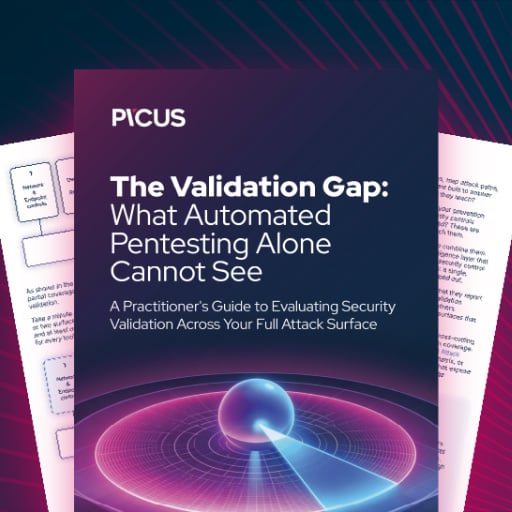
Automated Pentesting Covers Only 1 of 6 Surfaces.
Automated pentesting proves the path exists. BAS proves whether your controls stop it. Most teams run one without the other.
This whitepaper maps six validation surfaces, shows where coverage ends, and provides practitioners with three diagnostic questions for any tool evaluation.
如有侵权请联系:admin#unsafe.sh