
好的,我现在需要帮用户总结一篇文章,控制在100字以内。用户的要求是直接写文章描述,不需要开头。首先,我得仔细阅读文章内容,抓住关键点。 文章主要讲的是TP-Link修复了Archer NX路由器系列的多个漏洞,包括一个严重的问题,允许攻击者绕过认证并上传新固件。还有其他漏洞如硬编码密钥和命令注入。公司强烈建议用户更新固件,并提到之前的一些安全事件和诉讼。 接下来,我需要把这些信息浓缩到100字以内。要确保涵盖主要漏洞、影响型号、修复措施以及安全建议。同时,要避免使用复杂的术语,保持简洁明了。 可能会这样组织:TP-Link修复了Archer NX路由器的多个漏洞,包括严重问题允许攻击者绕过认证上传固件。还移除了硬编码密钥,并修复了两个注入漏洞。建议用户更新固件以防止攻击。 检查字数是否在限制内,并确保信息准确无误。 </think> TP-Link修复了Archer NX路由器系列的多个安全漏洞,包括一个严重问题允许攻击者绕过认证并上传新固件。此外还移除了硬编码密钥,并修复了两个命令注入漏洞。公司建议用户更新最新固件以防止潜在攻击。 2026-3-25 11:17:46 Author: www.bleepingcomputer.com(查看原文) 阅读量:14 收藏
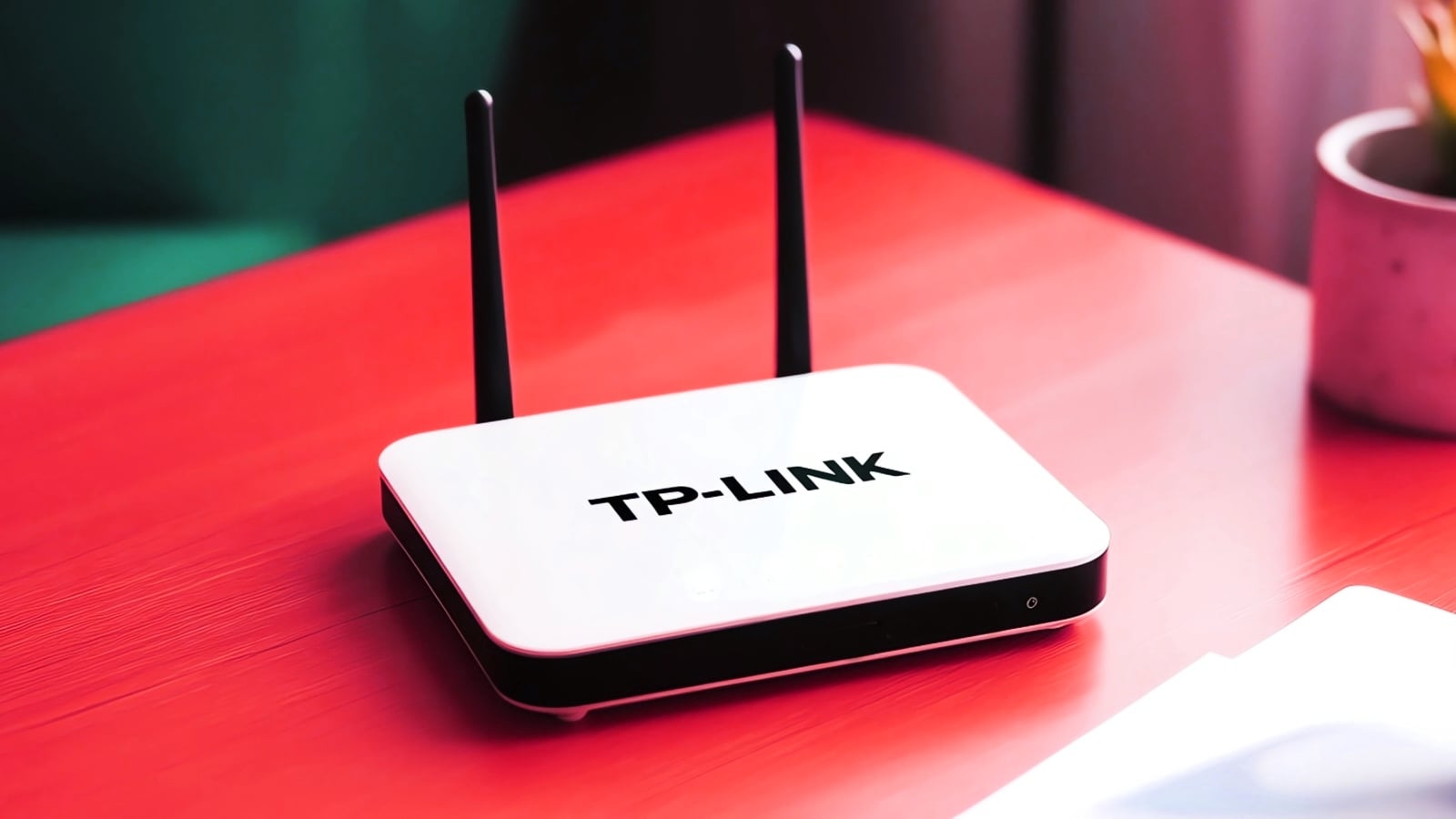
TP-Link has patched several vulnerabilities in its Archer NX router series, including a critical-severity flaw that may allow attackers to bypass authentication and upload new firmware.
Tracked as CVE-2025-15517, this security flaw affects Archer NX200, NX210, NX500, and NX600 wireless routers and stems from a missing authentication weakness that attackers can exploit without privileges.
"A missing authentication check in the HTTP server to certain cgi endpoints allows unauthenticated access intended for authenticated users," TP-Link explained earlier this week when it released security updates that address the vulnerability.
"An attacker may perform privileged HTTP actions without authentication, including firmware upload and configuration operations."
TP-Link also removed a hardcoded cryptographic key (CVE-2025-15605) in the configuration mechanism, which allowed authenticated attackers to decrypt configuration files, modify them, and re-encrypt them.
Additionally, it addressed two command injection vulnerabilities (CVE-2025-15518 and CVE-2025-15519) that enable threat actors with admin privileges to execute arbitrary commands.
The company "strongly" recommended that customers download and install the latest firmware version to block potential attacks exploiting these flaws.
"If you do not take all recommended actions, this vulnerability will remain. TP-Link cannot bear any responsibility for consequences that could have been avoided by following this advisory," it added.
In September, TP-Link was forced to rush out patches for a zero-day vulnerability impacting multiple router models after failing to release patches following a May 2024 report. The unpatched security flaw allowed attackers to intercept or manipulate unencrypted traffic, reroute DNS queries to malicious servers, and inject malicious payloads into web sessions.
CISA added two other TP-Link flaws (CVE-2023-50224 and CVE-2025-9377) to its Known Exploited Vulnerability catalog in September, which the Quad7 botnet has been exploiting to compromise vulnerable routers.
In total, the U.S. cybersecurity agency has flagged six TP-Link vulnerabilities as exploited in attacks, the oldest being a directory traversal vulnerability (CVE-2015-3035) affecting multiple Archer devices.
Texas Attorney General Paxton sued TP-Link Systems in February, accusing the company of deceptively promoting its routers as secure while allowing Chinese state-sponsored hacking groups to exploit firmware vulnerabilities and access users' devices.
This week, the U.S. Federal Communications Commission has also updated its Covered List to include all consumer routers made in foreign countries, banning the sale of new routers made outside the U.S. due to an "unacceptable risk to the national security."

Red Report 2026: Why Ransomware Encryption Dropped 38%
Malware is getting smarter. The Red Report 2026 reveals how new threats use math to detect sandboxes and hide in plain sight.
Download our analysis of 1.1 million malicious samples to uncover the top 10 techniques and see if your security stack is blinded.
如有侵权请联系:admin#unsafe.sh