Tracking the Iran War: A Month of Escalation and Regional Impact
嗯,用户让我总结一篇文章,控制在100字以内,而且不需要特定的开头。首先,我需要快速浏览文章内容,抓住主要点。 文章标题是“Tracking the Iran War: A Month of Escalation and Regional Impact”,看起来是关于伊朗战争的分析。里面提到冲突升级,全球关注转移,影响到其他地区冲突。还有提到网络威胁、能源中断、地区不稳定,中东企业风险增加。 接着,Resecurity发布了战略情报更新,分析了近一个月的军事冲突。全球资源被吸引,导致其他冲突如俄乌、以巴等被边缘化。战争规模大,涉及美国和以色列,影响能源市场和中东稳定。 预测战争会持续很久,带来人道主义和经济后果。虽然全面战争可能性低,但导弹、无人机和网络攻击会继续。伊朗将美国金融机构和技术公司列为打击目标,预计会有新的网络攻击。 霍尔木兹海峡关闭影响油价,加剧通胀和供应链问题。短期内外交解决难,地区持续动荡。伊拉克可能成为新战场,涉及民兵组织和其他派系。 对非海湾国家的影响包括能源安全、贸易、侨汇等。此外,全球冲突引发仇恨暴力增加,多个社区受到威胁。 现在需要把这些要点浓缩到100字以内。重点包括:伊朗战争升级、全球关注转移、网络威胁、能源问题、伊拉克新战场、全球经济影响和仇恨犯罪增加。 所以总结应该是:伊朗战争持续升级引发全球关注转移至其他冲突次要地位。网络威胁加剧、能源市场动荡及地区不稳定对企业构成高风险。伊拉克或成新战场,全球经济受影响且仇恨犯罪上升。 </think> 伊朗战争持续升级引发全球关注转移至其他冲突次要地位。网络威胁加剧、能源市场动荡及地区不稳定对企业构成高风险。伊拉克或成新战场,全球经济受影响且仇恨犯罪上升。 2026-3-18 08:46:36 Author: securityaffairs.com(查看原文) 阅读量:21 收藏
嗯,用户让我总结一篇文章,控制在100字以内,而且不需要特定的开头。首先,我需要快速浏览文章内容,抓住主要点。 文章标题是“Tracking the Iran War: A Month of Escalation and Regional Impact”,看起来是关于伊朗战争的分析。里面提到冲突升级,全球关注转移,影响到其他地区冲突。还有提到网络威胁、能源中断、地区不稳定,中东企业风险增加。 接着,Resecurity发布了战略情报更新,分析了近一个月的军事冲突。全球资源被吸引,导致其他冲突如俄乌、以巴等被边缘化。战争规模大,涉及美国和以色列,影响能源市场和中东稳定。 预测战争会持续很久,带来人道主义和经济后果。虽然全面战争可能性低,但导弹、无人机和网络攻击会继续。伊朗将美国金融机构和技术公司列为打击目标,预计会有新的网络攻击。 霍尔木兹海峡关闭影响油价,加剧通胀和供应链问题。短期内外交解决难,地区持续动荡。伊拉克可能成为新战场,涉及民兵组织和其他派系。 对非海湾国家的影响包括能源安全、贸易、侨汇等。此外,全球冲突引发仇恨暴力增加,多个社区受到威胁。 现在需要把这些要点浓缩到100字以内。重点包括:伊朗战争升级、全球关注转移、网络威胁、能源问题、伊拉克新战场、全球经济影响和仇恨犯罪增加。 所以总结应该是:伊朗战争持续升级引发全球关注转移至其他冲突次要地位。网络威胁加剧、能源市场动荡及地区不稳定对企业构成高风险。伊拉克或成新战场,全球经济受影响且仇恨犯罪上升。 </think> 伊朗战争持续升级引发全球关注转移至其他冲突次要地位。网络威胁加剧、能源市场动荡及地区不稳定对企业构成高风险。伊拉克或成新战场,全球经济受影响且仇恨犯罪上升。 2026-3-18 08:46:36 Author: securityaffairs.com(查看原文) 阅读量:21 收藏
Tracking the Iran War: A Month of Escalation and Regional Impact

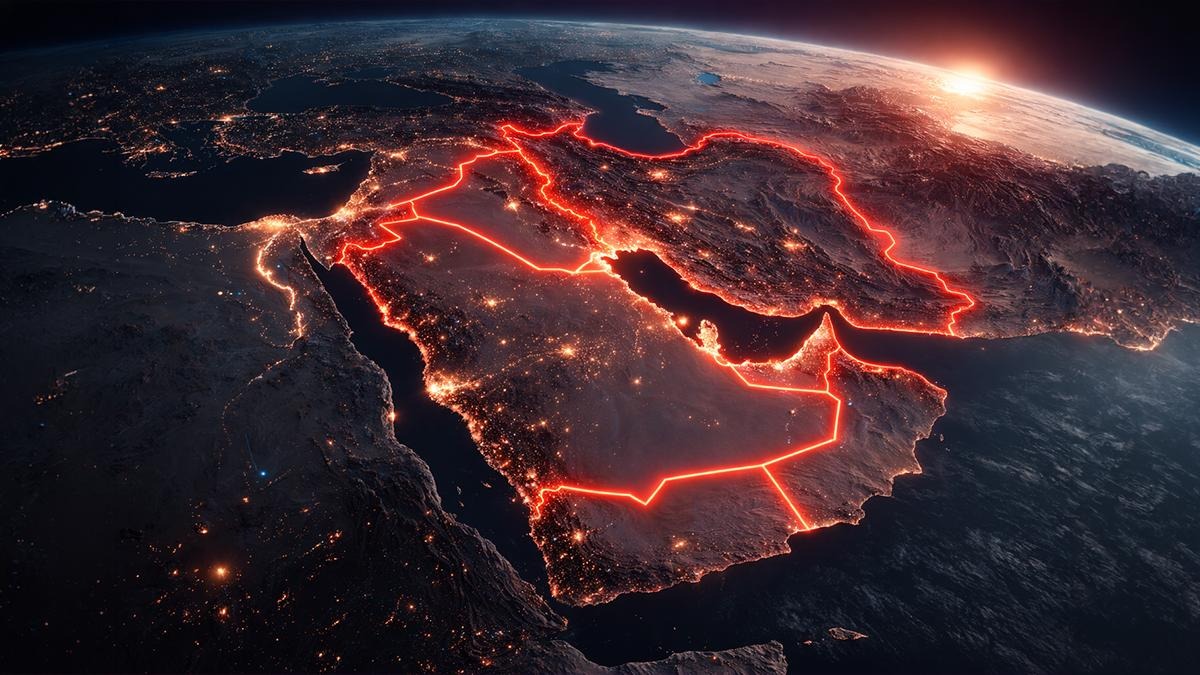
Iran war likely prolonged, increasing cyber threats, energy disruption, and instability, with companies in the Middle East facing higher risk.
- Resecurity (USA) released a strategic intelligence update on the war in Iran, covering nearly a month of military conflict. The conflict has shifted global attention and resources, placing other ongoing conflicts like Russia-Ukraine, Israel-Gaza, and Pakistan-Afghanistan in a secondary position.
- Due to the scale of the Iran war, the direct involvement of global powers (the US and Israel), its impact on global energy markets, and the potential to destabilize the entire Middle East, this situation requires enterprise security leaders to coordinate actions to protect their staff and assets.
- The Iran war is forecast to remain a protracted, disruptive conflict with severe humanitarian and economic consequences. While the risk of a full-scale regional war is low, the likelihood of continued missile, drone, and cyberattacks is high.
- Iran has declared all US financial institutions and other tech and multinational companies in the Middle East as justified targets. New cyberattacks are expected. Due to the near-total internet blackout in Iran, state-sponsored groups may be less active, but proxies and recruited operatives operating outside Iran are likely to increase their activity.
- The closure of the Strait of Hormuz and oil market turmoil are driving global inflation and supply chain disruptions. Diplomatic resolution appears unlikely in the near term, and the world faces sustained instability in the region.
- Iraq is probably likely to become—and in some respects already is—a new front in the ongoing Iran–US/Israel conflict. While the Iraqi government seeks neutrality and sovereignty, its limited control over militias and the frequency of cross-border strikes make Iraq a key arena for proxy warfare and potential direct confrontation. Major groups involved include the Popular Mobilization Forces (PMF/Hashd al-Shaabi), Kataib Hezbollah, and other Iranian-aligned factions.
- Multi-dimensional impacts on countries outside of GCC, including the European Union (EU), Bangladesh, Pakistan and India. These effects span energy security, trade and supply chains, remittances and diaspora safety, and strategic geopolitics.
- The growing risk of hate-motivated violence linked to global conflicts. Multiple communities—including Jewish-Americans, Iranian-Americans, Muslim-Americans, and Arab-Americans—are experiencing increased incidents of violence, harassment, and threats.
Follow me on Twitter: @securityaffairs and Facebook and Mastodon
(SecurityAffairs – hacking, Iran)
文章来源: https://securityaffairs.com/189604/cyber-warfare-2/tracking-the-iran-war-a-month-of-escalation-and-regional-impact.html
如有侵权请联系:admin#unsafe.sh
如有侵权请联系:admin#unsafe.sh