好的,我现在需要帮用户总结一篇文章的内容,控制在100个字以内。首先,我得仔细阅读文章内容,抓住关键点。 文章讲的是一个与中国有关的网络间谍组织CL-STA-1087,他们从2020年开始针对东南亚军事组织进行攻击。使用的恶意软件是AppleChris和MemFun。这些攻击行为表现出长期的耐心和对特定情报收集的专注,而不是大规模数据窃取。攻击者收集了有关军事能力、组织结构以及与西方军队合作的信息。 接下来,我需要将这些信息浓缩成简短的句子,确保不超过100字。重点包括:组织名称、目标、时间范围、使用的恶意软件、攻击特点以及收集的信息类型。 最后,确保语言简洁明了,直接描述内容,不需要使用“这篇文章”或“内容总结”这样的开头。 </think> 中国关联的网络间谍组织CL-STA-1087自2020年起针对东南亚军事机构发动攻击,使用AppleChris和MemFun恶意软件收集军事情报。 2026-3-17 12:1:59 Author: securityaffairs.com(查看原文) 阅读量:14 收藏
CL-STA-1087 targets military capabilities since 2020

China-linked APT group CL-STA-1087 has targeted Southeast Asian militaries since 2020 using AppleChris and MemFun.
A suspected China-linked espionage campaign, tracked as CL-STA-1087, has targeted Southeast Asian military organizations since at least 2020, using AppleChris and MemFun malware.
“The activity demonstrated strategic operational patience and a focus on highly targeted intelligence collection, rather than bulk data theft. The attackers behind this cluster actively searched for and collected highly specific files concerning military capabilities, organizational structures and collaborative efforts with Western armed forces.” reads the report published by Palo Alto Networks. “The objective-oriented tool set used in the malicious activity includes several newly discovered assets: the AppleChris and MemFun backdoors, and a custom Getpass credential harvester.”
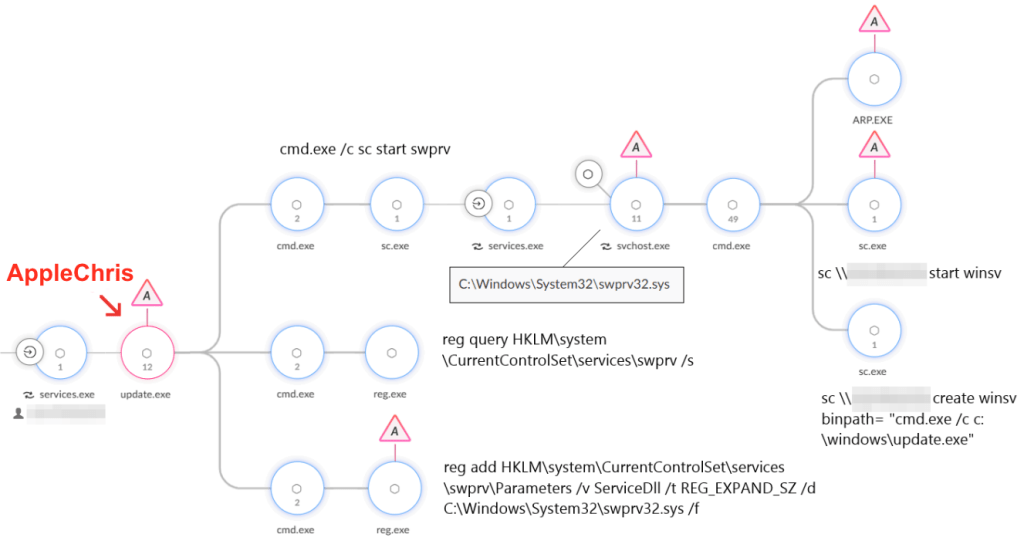
Cortex XDR detected suspicious PowerShell activity revealing a long-term intrusion. The cyber spies maintained persistence on an unmanaged endpoint, using scripts to create reverse shells to multiple C2 servers. The threat actors remained dormant for months before resuming operations, spreading the AppleChris backdoor via WMI and .NET commands to critical servers, workstations, and executive assets. Attackers employed DLL hijacking and multiple malware variants to evade detection.

After gaining persistence, attackers collected highly sensitive files on military operations, organizational structure, and C4I systems. They deployed two backdoors, AppleChris and MemFun, both using custom HTTP verbs and a dead drop resolver (DDR) via Pastebin to dynamically reach C2 servers. According to the researchers, AppleChris evolved from the Dropbox variant into the more capable Tunneler variant, employing DLL hijacking, sandbox evasion, and delayed execution to evade detection. It resolves C2 addresses through encrypted Pastebin content, generates unique session IDs tied to host info, and executes commands for file access, remote shells, process control, and proxy tunneling, maintaining stealth and operational flexibility across the network.
CL-STA-1087 also used a modular, multi-stage backdoor dubbed MemFun, which consists of the GoogleUpdate.exe loader, an in-memory downloader, and a final DLL payload retrieved from the C2 server. It runs entirely in memory, using process hollowing, reflective DLL loading, and anti-forensic techniques like timestomping and memory zeroing.

The loader communicates with the C2 via custom HTTP commands, using session-specific Blowfish encryption to securely retrieve and execute the final MemFun payload, enabling stealthy, flexible operations without leaving artifacts on the disk.
Attackers also used Getpass, a custom Mimikatz DLL, masquerading as a Palo Alto tool, which automatically harvests credentials from 10 Windows authentication packages by accessing lsass.exe memory. Stolen data is logged to WinSAT.db. The attackers’ infrastructure, active since 2020, uses multiple C2 IPs via Pastebin and Dropbox for scalable, segmented operations. AppleChris variants remain functional, showing long-term, persistent control and ongoing updates to their C2 infrastructure.
The researchers collected multiple pieces of evidence that demonstrate the activity was conducted by a China-nexus actor.
“The activity cluster CL-STA-1087 is a suspected espionage campaign operating out of China and targeting military organizations across Southeast Asia.” concludes the report. “The threat actor behind the cluster demonstrated operational patience and security awareness.”
Follow me on Twitter: @securityaffairs and Facebook and Mastodon
(SecurityAffairs – hacking, China)
如有侵权请联系:admin#unsafe.sh