好的,我现在需要帮用户总结一篇文章,控制在100字以内。用户的要求很明确,不需要特定的开头,直接写内容描述。 首先,我得通读整篇文章,抓住主要观点。文章讲的是现代信息窃取软件如何扩展凭证盗窃,不仅限于用户名和密码。过去一年里,攻击活动加速,目标包括企业员工和个人设备用户。 这些感染程序会收集凭证、会话数据和用户活动。数据被聚合后出售给初始访问经纪人,然后用于攻击个人和企业环境。Specops的研究分析了9万多份泄露的数据集,包含8亿多行数据。 数据包括凭证、浏览器cookie、浏览历史和系统文件。攻击者能将技术数据与真实用户、组织和行为模式关联起来,使单次感染在初始妥协后仍有价值。 最大的风险是信息窃取数据如何将多个账户和行为与真实个人关联起来。这些数据集暴露了跨服务重复使用的账户名、Windows用户名、存储在用户目录中的文件、活动会话数据以及跨环境的详细活动记录。 结合这些信号,攻击者可以从一个被妥协的凭证识别出个人及其雇主,甚至其在组织中的角色。这使得个人和职业身份之间的界限变得模糊。 Specops的解决方案是通过持续扫描Active Directory来阻止已泄露的凭证被设置或重用,从而减少被重用的风险。 总结一下:文章主要讲信息窃取软件如何收集大量数据,并利用这些数据进行攻击。解决方案是Specops的密码策略工具。 现在需要把这些内容浓缩到100字以内。要突出信息窃取软件的影响、收集的数据类型以及解决方案。 可能的结构:信息窃取软件扩展了凭证盗窃范围;收集大量敏感数据;导致个人与职业身份关联;Specops工具帮助减少风险。 检查字数是否符合要求,并确保涵盖关键点。 </think> 现代信息窃取软件已超越传统凭证盗窃范围,广泛收集浏览器 cookie、浏览历史及系统文件等敏感数据,并将其关联至真实用户及组织。此类数据可被用于跨环境攻击及身份验证滥用。Specops Password Policy 通过持续扫描 Active Directory 中的已泄露凭证,帮助组织减少密码复用风险及企业级威胁影响。 2026-2-19 15:15:20 Author: www.bleepingcomputer.com(查看原文) 阅读量:2 收藏

Modern infostealers have expanded credential theft far beyond usernames and passwords. Over the past year, campaigns have accelerated, targeting users with little distinction between corporate employees and individuals on personal devices.
These infections routinely harvest credentials alongside broader session data and user activity. The resulting datasets are aggregated and sold by initial access brokers, then reused across attacks targeting both personal and enterprise environments.
To better understand the scope and implications of this activity, Specops researchers analyzed more than 90,000 leaked infostealer dumps, comprising over 800 million rows of data collected during active infections.
The datasets included credentials, browser cookies, browsing history, and system-level files stored locally on compromised machines.
What emerges is a clear picture of how infostealer dumps allow attackers to associate technical data with real users, organizations, and behavioral patterns, making a single infection valuable long after the initial compromise.
When stolen credentials become identity data
The biggest risk is how easily infostealer data ties multiple accounts and behaviors back to one real person. These dumps routinely expose reused account names across services, Windows usernames, files stored in user directories, active session data, and detailed records of activity across environments.
Combined, these signals let attackers move from a single compromised credential to identifying an individual, their employer, and potentially their role within an organization.
This convergence collapses the boundary between personal and professional identity that many security models still assume exists. What may start as a compromise on a personal device can quickly escalate into enterprise-level risk.
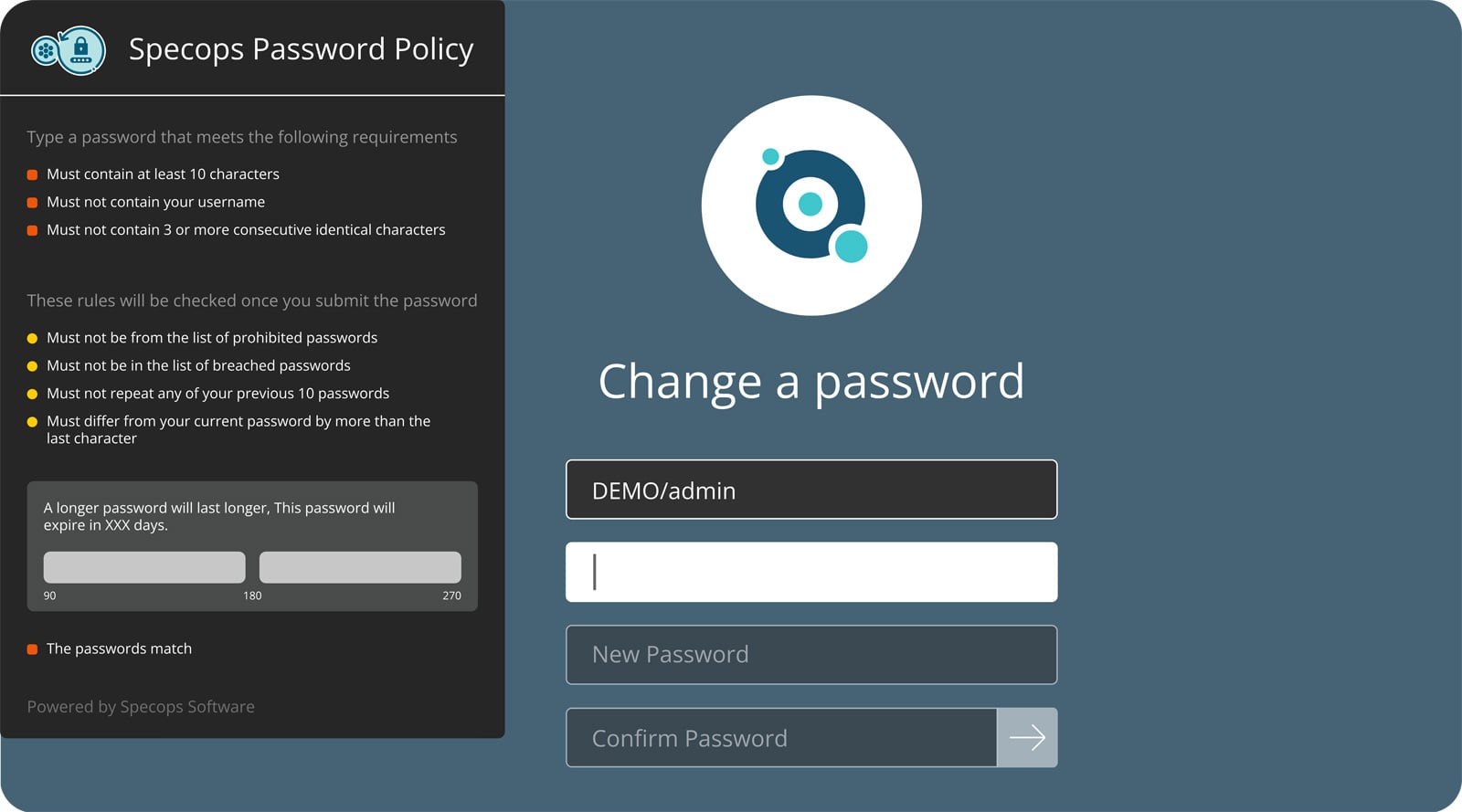
Specops Password Policy helps organizations break this link by continuously scanning Active Directory against a database of more than 5.4 billion known-compromised credentials, rather than only checking passwords at creation or reset.
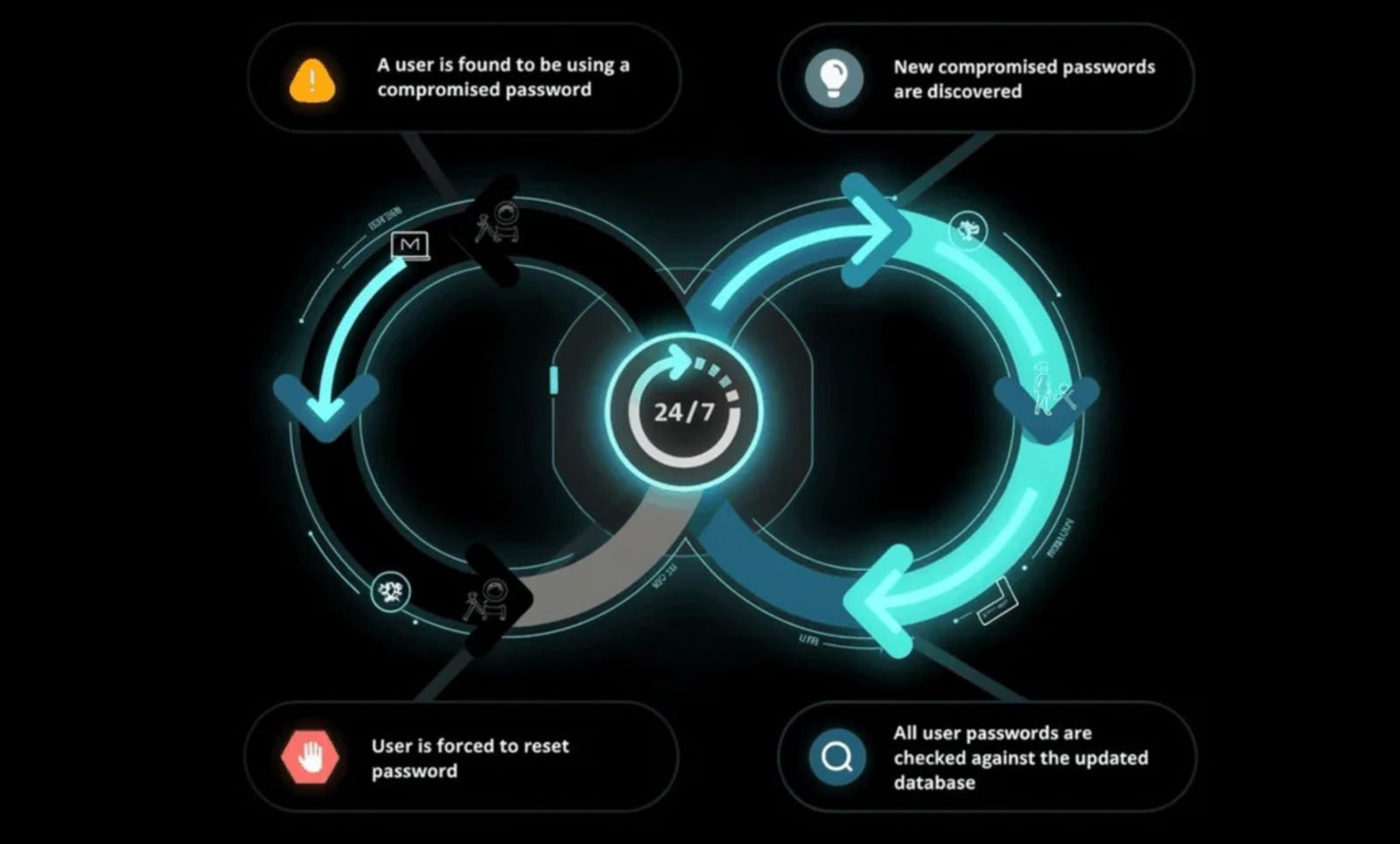
Credentials that have already been exposed are blocked from being set or reused, even if they technically comply with policy, reducing the risk of compromised passwords being reused across personal and corporate accounts.
Where infostealers get your data and how they abuse it
The dataset contained credentials and session data associated with a wide range of services, illustrating how infostealer data exposes both identity and access.
Professional and enterprise-linked services
LinkedIn, GitHub, Microsoft Teams, Outlook, and corporate domains appeared frequently in the dataset. LinkedIn alone accounted for nearly 900,000 records, providing a direct path from stolen data to real names, job titles, and organizational affiliations.
For threat actors, this information enables targeted phishing, social engineering, and prioritization of access that may lead deeper into enterprise environments, especially where password reuse exists.
Personal identity and social platforms
YouTube, Facebook, and similar social media platforms also made high-volume appearances. These services often contain real names, photos, and social connections, making it easier to validate the identity of a compromised user and link them to other accounts.
This correlation makes targeted exploitation far easier.
Sensitive and high-risk services
The dataset also included credentials and cookies associated with sensitive services, including government and tax-related domains such as the IRS and the Canada Revenue Agency, as well as adult content platforms. Access to these services introduces risks beyond traditional account takeover.
In previous incidents, threat actors have used data from adult platforms as leverage for extortion and blackmail. When that activity can be linked back to an individual’s real identity and employer, the potential impact escalates quickly.
Security-aware yet still exposed
Domains such as Shodan and even mil.gov appeared within the dataset, reinforcing an uncomfortable reality: technical awareness does not equal immunity.
Secure practices followed in corporate environments do not always extend to personal systems, yet exposure on those systems can still create enterprise risk.
Why infostealers remain so effective
Infostealer exposure isn’t driven by a single failure, but by a combination of common behaviors repeated at scale. Users install applications from illicit sources, reuse passwords across personal and corporate accounts, and rely on browser-based credential storage for convenience.
Browser-stored credentials and payment data are especially valuable to attackers.
When an infostealer compromises a system, these stores provide attackers with immediate access to high-value information, significantly increasing the impact of a single infection.
Reducing impact after credential theft
Once infostealer data has been collected and circulated, prevention is no longer the only challenge. The real question is how quickly defenders can neutralize it before it’s reused for lateral movement, account takeover, or ransomware deployment.
Because infostealer dumps often circulate for weeks or months before detection, effective mitigation must assume that some credentials are already exposed.
Password reuse remains one of the most reliable ways attackers operationalize infostealer data. Credentials harvested from personal devices are routinely tested against corporate environments, cloud services, and remote access systems, often with success even when those passwords meet standard complexity requirements.
Disrupting reuse directly reduces the operational value of infostealer datasets and shortens their window of exploitation.
Combined with stronger password policies that support longer passphrases and continuous enforcement, these controls shift password security from a static configuration exercise to an active containment measure.
Identity exposure increasingly begins outside the corporate perimeter, so reducing the reuse and downstream impact of stolen credentials remains one of the most effective ways to break infostealer-driven attack chains.
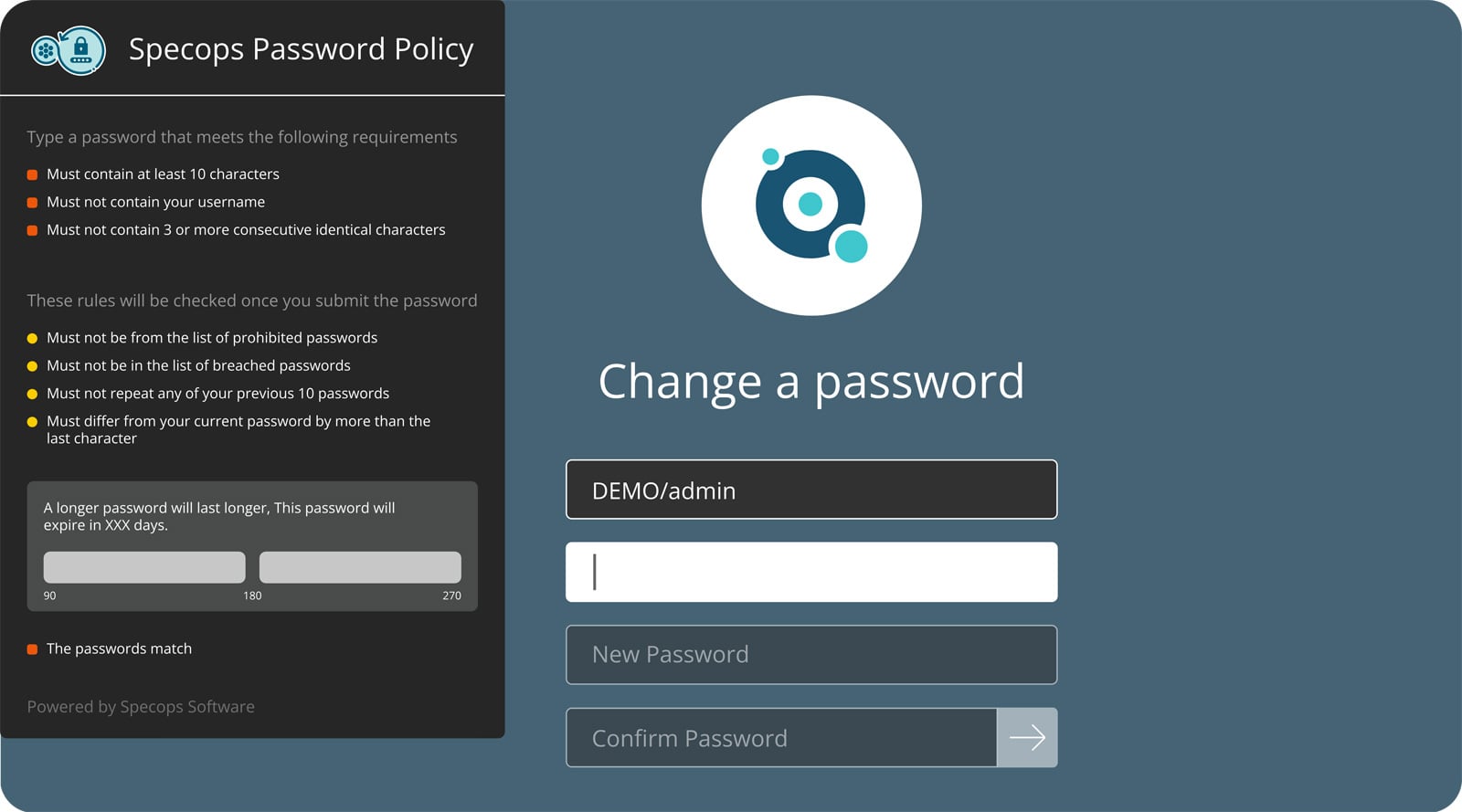
To see how Specops Password Policy helps block compromised passwords and reduce credential reuse in Active Directory, request a live demo from a Specops expert.
Sponsored and written by Specops Software.
如有侵权请联系:admin#unsafe.sh