嗯,用户让我帮忙总结一篇文章,控制在100字以内,而且不需要用“文章内容总结”这样的开头。首先,我得通读一下这篇文章,了解主要讲什么。 文章主要讨论了手机号码在在线安全和个人隐私中的重要性。很多人每天用手机号码登录、验证账户或重置密码,却不知道这些号码经常被共享、存储或暴露在网上。文章还提到了手机号码作为数字标识符的原因,比如账户恢复、双因素认证和用户验证。此外,还讨论了手机号码如何被公开在线以及相关的安全风险,比如SIM卡交换攻击、账户恢复滥用、钓鱼电话和垃圾信息。 接下来,作者建议了一些保护措施,比如审查账户隐私设置、从公共列表中删除号码、分开使用个人和登录号码。长期习惯包括定期检查设置、平衡便利与控制、减少可见性。最后,文章强调保护手机号码应与其他安全措施结合使用。 现在我需要把这些要点浓缩到100字以内。重点应该是:手机号码的重要性、作为数字标识符的作用、暴露途径和风险、保护措施以及结合其他安全方法的重要性。 可能的结构是:首先说明手机号码的重要性及其作为数字标识符的作用;然后提到暴露途径和风险;接着简要说明保护措施;最后强调与其他安全措施结合的重要性。 这样组织起来应该能在100字以内涵盖主要信息。 </think> 手机作为数字标识符,在在线服务中用于身份验证、账户恢复和双因素认证。然而,由于频繁共享和存储,手机容易被公开或泄露,导致SIM卡交换攻击、账户滥用和钓鱼风险。保护措施包括审查隐私设置、分离个人与登录号码,并结合强认证方法提升整体安全性。 2026-1-29 09:25:18 Author: securityboulevard.com(查看原文) 阅读量:0 收藏
This article looks at why phone numbers matter for online security and personal privacy. Most people use their number every day to sign in, verify accounts, or reset passwords, without realizing how often that same number is shared, stored, or exposed online.
The guidance here is based on established security research, common authentication practices, and real-world misuse patterns that show how phone numbers can be accessed and abused when they aren’t properly protected.
Why Phone Numbers Are Treated as Digital Identifiers
Phone numbers are often used as identity shortcuts across online services.
They are commonly tied to:
-
Account recovery – Many platforms use phone numbers to reset passwords or regain access.
-
Two-factor authentication – SMS codes are sent to confirm logins or sensitive actions.
-
User verification – Apps rely on phone numbers to confirm that a real person is creating the account.
Because the same number is reused across many services, it often becomes a central link to a person’s online identity.
How Phone Numbers Become Public Online
Phone numbers are exposed through apps, data brokers, and everyday sign-ups.
Common sources include:
-
Social media profiles – Numbers added for contact or recovery may appear publicly or through profile lookups.
-
Public directories – Business listings, community pages, and online directories often display phone numbers by default.
-
Data breaches – Leaked databases can expose numbers that later circulate online.
-
App permissions – Some apps collect and share contact data when permissions are granted.
Security Risks Linked to Exposed Phone Numbers
An exposed phone number can be used to target accounts and bypass safeguards.
Common risks include:
-
SIM swap attacks – Criminals attempt to move your number to another SIM card to receive verification codes.
-
Account recovery abuse – Public numbers can be used to trigger password reset attempts.
-
Phishing and scam calls – Attackers use real numbers to make messages sound legitimate.
-
Spam messages – Public listings often lead to repeated marketing and scam texts.
Why Phone-Based Authentication Has Limits
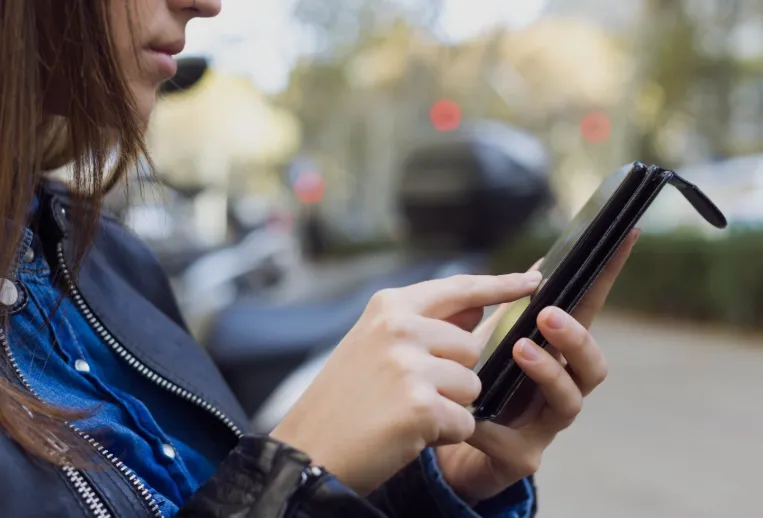
Many people assume that receiving a code by text message means their account is fully protected. In reality, SMS-based security depends on systems that were not designed for long-term digital authentication.
Here’s why phone-based protection has limits:
-
SMS interception risks – Text messages can sometimes be delayed, redirected, or accessed if a network is compromised. Unlike encrypted apps, standard SMS messages are not end-to-end protected.
-
SIM-based vulnerabilities – If a SIM card is transferred or duplicated, verification codes may be sent to the wrong device. This is why phone numbers are often targeted in account takeover attempts.
-
Reliance on telecom systems – Mobile carriers manage number routing and SIM ownership. That means account security partially depends on third-party systems outside the user’s control.
What Users Can Do to Reduce Phone Number Exposure
The most effective way to limit misuse starts with learning how to make your number private across the places where it’s most commonly collected and indexed.
So, phone numbers usually become exposed through account settings, public profiles, and data-sharing permissions. Now this allows search engines, people-search sites, and marketing databases to capture and republish them.
In that light, here are practical steps:
-
Review account privacy settings. Check whether your number is searchable, visible to the public, or shared with third-party partners.
-
Remove numbers from public listings. Delete your phone number from bios, profiles, forums, business pages, and directories that data brokers regularly scrape.
-
Separate personal and login numbers. Using one number for everyday contact and another for account verification helps prevent a single leak from spreading across databases.
These steps won’t erase your number from the internet overnight. But they do lower how often it appears in searches, databases, and automated lists, which directly reduces misuse over time.
Long-Term Habits That Improve Phone Number Security
Security improves when privacy checks are ongoing, not one-time.
A lot of people clean up their numbers once and assume the problem is solved. In reality, phone numbers can resurface as apps update, accounts sync, or databases refresh.
Here’s the difference long-term habits make:
-
One-time changes vs regular reviews – A single cleanup helps, but checking settings every few months keeps exposure from returning.
-
Convenience vs control – Sharing a number is easy. Limiting where it’s used gives you more control later.
-
Visibility vs protection – The less public a number is, the harder it is to misuse.
How Phone Number Protection Fits Into Broader Security Practices
Phone privacy works best when combined with stronger authentication methods.
Protecting your number helps, but it shouldn’t be the only layer of security. Most online accounts rely on multiple signals to confirm identity, and phone numbers are just one of them.
Good security habits usually include:
-
App-based authenticators – These generate login codes without relying on text messages or phone networks.
-
Account monitoring – Watching for unusual logins, alerts, or recovery attempts helps catch issues early.
-
Unique credentials – Using different passwords and login details reduces the impact if one account is exposed.
When phone privacy is combined with these practices, overall security becomes more stable and harder to bypass.
Quick Reference: Common Ways Phone Numbers Are Misused
-
SIM swapping – Example: An attacker convinces a carrier to move your number to a new SIM so they receive your verification codes.
-
Password resets – Example: A public phone number is used to trigger account recovery texts on email or social media accounts.
-
Targeted phishing – Example: Scam messages include your name or service details to appear legitimate and prompt a response.
Protecting Your Phone Number
|
Benefit |
Explained |
|
Lower account takeover risk |
Reduces the chance of unauthorized logins or recovery abuse. |
|
Fewer scam attempts |
Limits exposure to phishing calls and fraudulent texts. |
|
Better control over identity |
Keeps your number from being used as a public identifier. |
|
Stronger overall security posture |
Adds stability when combined with other security practices. |
This article explained why protecting your phone number matters for online security and personal privacy. What often feels like a simple contact detail is frequently used to verify identity, recover accounts, and confirm access across many services.
A good next step is to review where your phone number is currently used, update privacy settings, and limit its visibility where possible. Small adjustments can significantly reduce long-term exposure.
*** This is a Security Bloggers Network syndicated blog from MojoAuth - Advanced Authentication & Identity Solutions authored by MojoAuth - Advanced Authentication & Identity Solutions. Read the original post at: https://mojoauth.com/blog/protect-phone-number-online-security
如有侵权请联系:admin#unsafe.sh