嗯,用户让我用中文总结这篇文章,控制在一百个字以内。首先,我需要快速浏览文章内容,抓住主要信息。文章讲的是俄罗斯网络犯罪分子利用假的“蓝屏”页面攻击欧洲酒店和旅游业公司,使用名为DCRat的恶意软件。 接下来,我要确定关键点:攻击目标、使用的手段、恶意软件的作用以及攻击者的背景。然后,把这些信息浓缩成简短的句子,确保不超过一百个字。 可能的结构是:俄罗斯网络犯罪分子利用假“蓝屏”页面攻击欧洲酒店,使用DCRat恶意软件窃取信息。这样既涵盖了攻击手段、目标和后果,又符合字数限制。 最后,检查是否有遗漏的重要信息,比如攻击的时间节点或技术细节,但为了简洁可能不需要全部包含进去。确保总结准确且全面。 </think> 俄罗斯网络犯罪分子利用虚假“蓝屏”页面针对欧洲酒店和旅游业公司发起恶意软件攻击,通过伪装预订取消通知诱骗受害者下载DCRat恶意软件以窃取信息。 2026-1-5 20:31:14 Author: therecord.media(查看原文) 阅读量:10 收藏
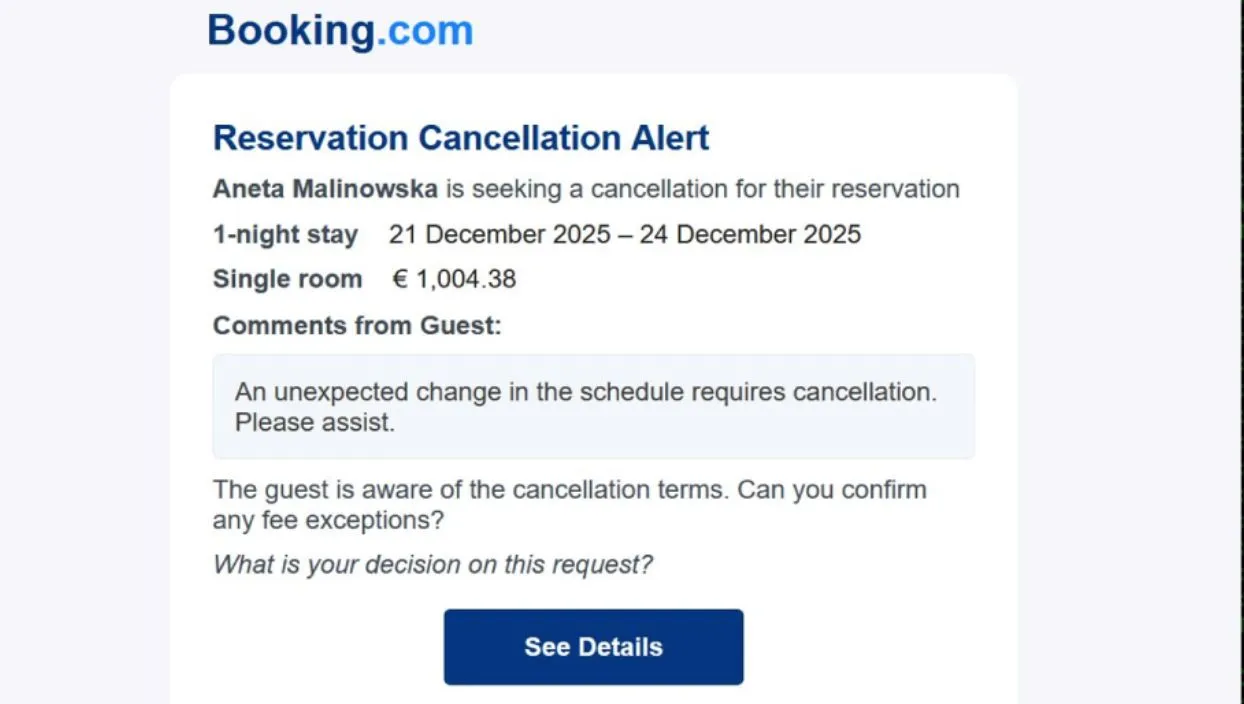
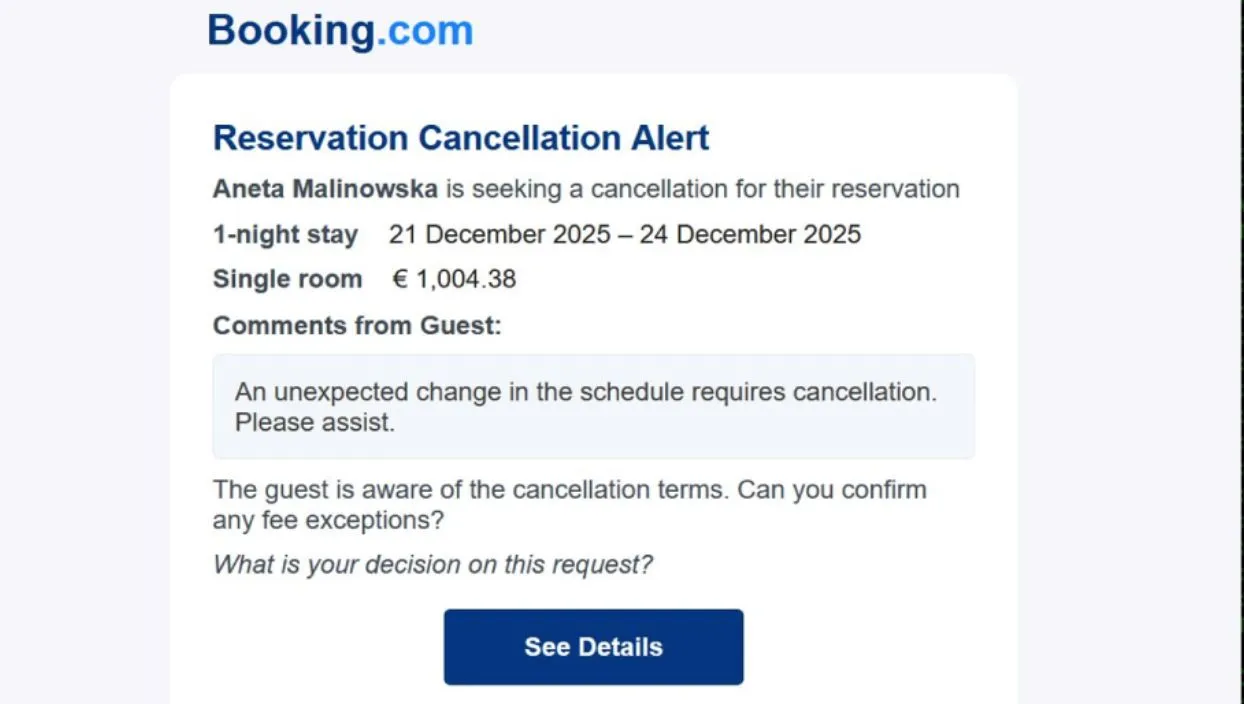
Suspected Russian cybercriminals are using a fake “Blue Screen of Death” page to target European hotels and hospitality companies with malware. Researchers from Securonix said they have been tracking an ongoing malware campaign they call PHALT#BLYX which typically starts with a lure centered around hospitality search engines. The scheme starts with a fake reservation cancellation that impersonates a popular booking site, and eventually prompts victims with an error message and “Blue Screen of Death” page. In order to get out of the page, victims are asked to take a series of actions that eventually lead to the download of a strain of malware called DCRat, which enables threat actors to track a victim's key strokes and take other actions on an infected device. Securonix said the campaign is yet another version of the “ClickFix” technique where hackers try to take advantage of human problem-solving tendencies by displaying fake error messages or prompts that instruct target users to fix issues by copying, pasting and launching commands that eventually result in the download of malware. Shikha Sangwan, senior threat researcher at Securonix, said that there are several indicators suggesting Russian connection, including the use of MS Build project files containing native Russian debug strings and commands. Additionally, technical telemetry showed that infrastructure and other tools used by the group were geolocated to Russia. DCRat is sold widely within Russian underground forums. Securonix said the hackers were targeting the hospitality sector throughout the fall because it is one of the busiest times of the year for the industry. The phishing emails, most of which are titled “Reservation Cancellation,” featured room charge details in Euros, indicating they intended to target European hotels, hostels and inns. The emails prominently feature charges over €1,000 ($1,170) to create a sense of urgency and panic, the researchers said. The emails have a “See Details” button that takes them to a fake hotel booking page with the fake browser error message stating, “Loading is taking too long.” The error message includes a prominent “Refresh page” button that when clicked, takes a victim to the fake “Blue Screen of Death.” An example of a fake cancellation alert. Image: Securonix Once a victim sees the fake “Blue Screen of Death” animation, they are directed to fix the issue by pasting a malicious script into the Windows Run dialog. The pasted script sets off a chain of events that enables the malware to disable Windows Defender. As a decoy, a real booking page is opened while the malware works in the background. The malware then takes a series of actions including disabling defenses, stealthily downloading other tools and allowing the hackers to maintain their access to the device. The malware steals passwords, clipboard data and other information. Securonix warned that the campaign “represents a sophisticated evolution in commodity malware delivery.” “The psychological manipulation, combined with the abuse of trusted system binaries like `MSBuild.exe`, allows the infection to establish a foothold deep within the victim’s system before traditional defenses can react,” the researchers said. “The technical complexity of the infection chain reveals a clear intent to evade detection and maintain long-term persistence.” ‘Reservation cancellation’
Get more insights with the
Recorded Future
Intelligence Cloud.

No previous article
No new articles

Jonathan Greig
is a Breaking News Reporter at Recorded Future News. Jonathan has worked across the globe as a journalist since 2014. Before moving back to New York City, he worked for news outlets in South Africa, Jordan and Cambodia. He previously covered cybersecurity at ZDNet and TechRepublic.
如有侵权请联系:admin#unsafe.sh