
好的,我现在需要帮用户总结这篇文章的内容,控制在100字以内。首先,我得通读整篇文章,抓住主要信息。 文章讲的是韩国最大的电商平台Coupang发生了数据泄露事件,影响了3370万个账户,相当于韩国人口的三分之二。这是韩国电商史上最大的安全事件,可能面临高达9亿美元的罚款。泄露的数据包括用户名、电话号码、电子邮件地址、配送地址和购买记录等。这些数据没有被加密,因为韩国法律只要求支付数据加密。 攻击者通过海外服务器在近五个月内访问了这些数据,直到11月才被发现。一名前雇员被怀疑是主谋,他保留了离职后的访问密钥。文章还提到Penta Security的D.AMO加密平台,强调企业级加密的重要性。 接下来,我需要把这些信息浓缩到100字以内。重点包括:Coupang的数据泄露规模、影响、未加密的数据类型、罚款金额以及事件带来的教训和解决方案。 可能会忽略一些细节,比如攻击者如何进入系统或D.AMO的具体功能,但要确保主要信息都涵盖进去。 </think> 韩国最大电商平台Coupang发生大规模数据泄露事件,影响3370万用户账户。泄露数据包括用户名、电话号码、地址及购买记录等敏感信息,未加密处理。此次事件为韩国电商史上最大安全事故,或面临高达9亿美元罚款,并引发公众强烈抗议与法律追责。 2025-12-22 14:30:21 Author: www.bleepingcomputer.com(查看原文) 阅读量:4 收藏

Coupang, South Korea's leading e-commerce platform, recently disclosed a data breach affecting 33.7 million customer accounts which is equivalent to nearly two-thirds of the Korean population.
This represents the largest e-commerce security incident in South Korea's history and could result in fines of up to $900 million (approximately 1.2 trillion KRW).
This breach exposed vulnerabilities in data protection systems, particularly for e-commerce platforms that handle sensitive data including transaction histories, delivery addresses, and payment methods.
The scale of the incident has raised concerns among customers and industry observers.
Unauthorized Access Undetected for Five Months
On November 29, Coupang confirmed the unauthorized exposure of user names, phone numbers, email addresses, delivery address books, and purchase details.
While the company detected unusual access on November 6 at 6:38 PM KST, it did not fully identify the breach until November 18 at 10:52 PM which is more than 12 days later.
Investigations revealed that attackers had accessed customer data via overseas servers for nearly five months, from June 24 to November 8.
A former Coupang employee has been identified as a prime suspect. The individual had access to authentication services and retained access keys post-resignation, enabling the breach.
Data Not Legally Required to Be Encrypted
The leaked information was not subject to mandatory encryption under Korean law. Currently, the Personal Information Protection Act in South Korea requires encryption only for payment data such as credit card numbers and unique identifiers like resident registration numbers.
Although information such as names, addresses, phone numbers, email addresses, and purchase history may seem less critical, combining these data points can create security risks.
Analyzing purchase history reveals lifestyle patterns and family structures, which, when linked to personal contact details, could lead to spear-phishing attacks or even physical threats.
Moreover, cross-referencing this data with previously leaked payment information can enable re-identification attacks that precisely pinpoint individuals.
The Case for Enterprise-Grade Encryption Solutions
This incident highlights the importance of data encryption, even when it is not legally mandated. Unlike unencrypted data, which becomes immediately exploitable once leaked, encrypted data remains useless without the decryption keys.
However, in the absence of legal obligations, many companies do not prioritize voluntary encryption.
To reduce risks from data breaches, organizations must implement proven encryption solutions from trusted cybersecurity vendors. Since its establishment in 1997, Penta Security has built expertise in data protection becoming a global leader in data security.
In 2004, Penta Security launched D.AMO, a data encryption platform that provides encryption, centralized control, and an independent key management system (KMS).
Over the past 20 years, D.AMO has been deployed by over 10,000 enterprise customers, including major financial institutions, public sector entities, and large corporations, confirming its status as a leader in global cybersecurity.
D.AMO supports multiple encryption methods—API-based, plug-in, and kernel-level encryption—without requiring application modification. This flexibility enables faster deployment, reducing setup times from months to days. It also offers integrated security features such as access control, auditing, and monitoring.
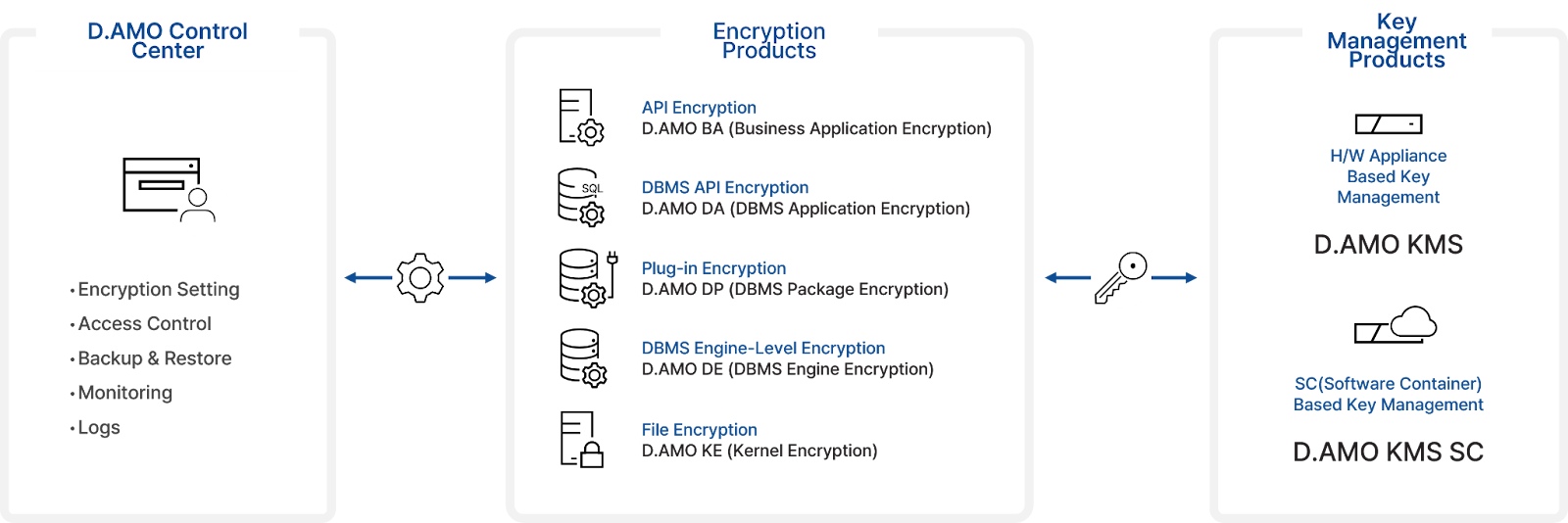
Concerns about performance degradation due to encryption are natural, but modern technologies address these efficiently.
For example, D.AMO minimizes performance impact by offering column-level selective encryption based on data sensitivity and is compatible with every layer of an organization’s system environment.
Record Fines Expected Amid Public Outcry
The Coupang breach surpasses the previous SK Telecom USIM data leak involving 27 million users, which led to a fine of 134.8 billion KRW.
Under South Korea’s amended data protection laws, fines can reach up to 3% of annual revenue, which in Coupang’s case could range from 150 billion KRW to a maximum of 1.2 trillion KRW.
Just two days after the breach was made public, class action movements began to form, with over 200,000 people joining related online forums. The breach was not an external cyberattack but rather a case of insider abuse of legitimate credentials.
The company’s extended detection period may also be viewed as a violation of mandatory safety measures potentially resulting in additional penalties.
Proactive Security with Verified Solutions
The Coupang data breach demonstrates that information not covered by encryption requirements can still pose risks when combined. Companies should consider protecting customer data beyond legal minimums by adopting encryption solutions from established cybersecurity providers like Penta Security.
Beyond encryption tools, organizations need centralized management and effective key management systems.
With nearly 30 years of experience and continuous development, Penta Security provides cybersecurity solutions for various IT infrastructures—from on-premise systems to cloud, multi-cloud, and hybrid environments.
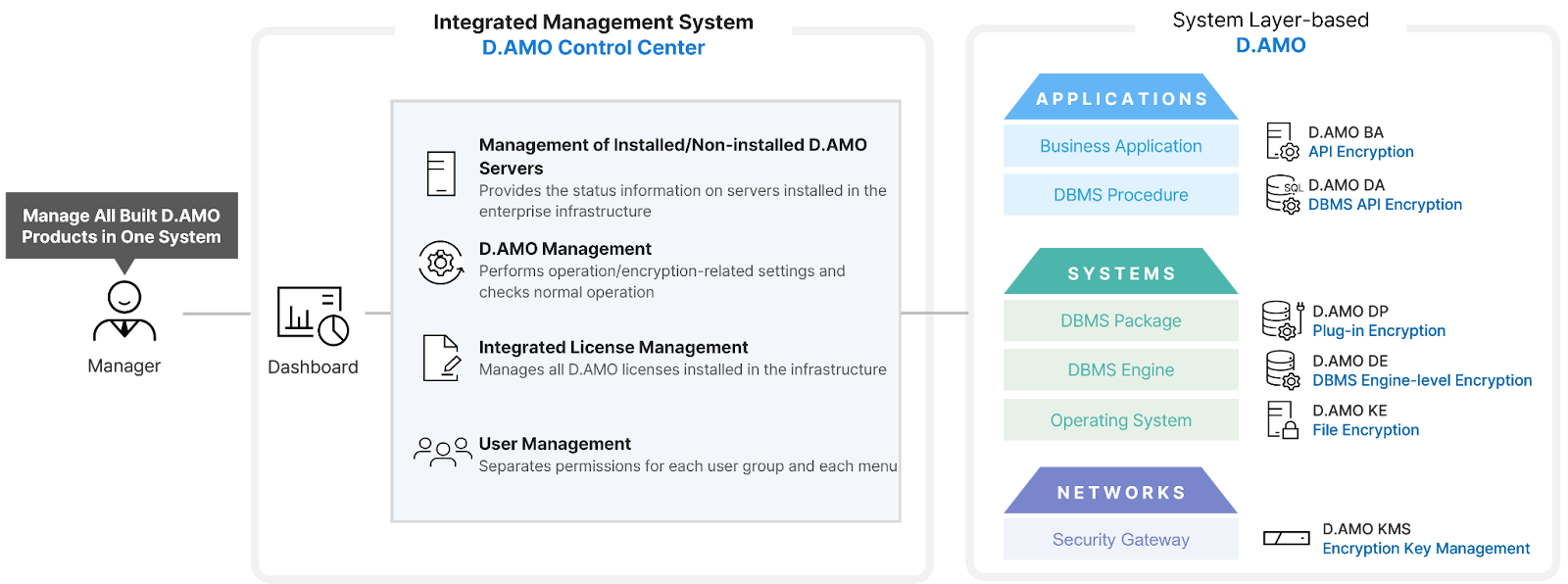
Moreover, Penta Security’s D.AMO can encrypt all data types (structured and unstructured) and is deployable across all layers of IT systems, including OS, databases, and applications.
As the Coupang case shows, organizations may benefit from applying encryption beyond legally mandated data to help prevent similar incidents.
Sponsored and written by Penta Security.
如有侵权请联系:admin#unsafe.sh