好的,我现在要帮用户总结这篇文章的内容。用户的要求是用中文总结,控制在100字以内,不需要特定的开头,直接写描述。 首先,我需要快速阅读并理解文章内容。文章的作者宣布从英特尔辞职,并接受了新的机会。他详细列举了在英特尔3.5年的工作成果,包括开源AI火焰图、GPU热图、与Linux发行版合作、接受《华尔街日报》采访、领导eBPF技术指导委员会、共同主持会议以及发表6场主题演讲等。他还提到了在云计算方面的贡献,参与了110次客户会议,并制定了公司战略,提出了33条建议。此外,他分享了一些在英特尔的美好回忆。 接下来,我要提炼这些信息。主要点包括:辞职、新机会、贡献(如AI火焰图、GPU热图、eBPF领导)、云计算策略和美好回忆。需要将这些内容浓缩到100字以内。 然后,我需要确保语言简洁明了,避免使用复杂的句子结构。同时,要准确传达作者的主要成就和离职原因。 最后,检查字数是否符合要求,并确保没有遗漏关键信息。 </think> 作者从英特尔辞职并接受新职位,在任期间贡献包括推动AI火焰图开源、GPU热图开发、领导eBPF技术工作、参与云计算战略制定等。离职前制定33项建议以提升英特尔竞争力,并分享了与同事合作的难忘经历。 2025-12-4 13:0:0 Author: www.brendangregg.com(查看原文) 阅读量:0 收藏
I've resigned from Intel and accepted a new opportunity. If you are an Intel employee, you might have seen my fairly long email that summarized what I did in my 3.5 years. Much of this is public:
- AI flame graphs and released them as open source
- GPU subsecond-offset heatmap
- Worked with Linux distros to enable stack walking
- Was interviewed by the WSJ about eBPF for security monitoring
- Provided leadership on the eBPF Technical Steering Committee (BSC)
- Co-chaired USENIX SREcon APAC 2023
- Gave 6 conference keynotes
It's still early days for AI flame graphs. Right now when I browse CPU performance case studies on the Internet, I'll often see a CPU flame graph as part of the analysis. We're a long way from that kind of adoption for GPUs (and it doesn't help that our open source version is Intel only), but I think as GPU code becomes more complex, with more layers, the need for AI flame graphs will keep increasing.
I also supported cloud computing, participating in 110 customer meetings, and created a company-wide strategy to win back the cloud with 33 specific recommendations, in collaboration with others across 6 organizations. It is some of my best work and features a visual map of interactions between all 19 relevant teams, described by Intel long-timers as the first time they have ever seen such a cross-company map. (This strategy, summarized in a slide deck, is internal only.)
I always wish I did more, in any job, but I'm glad to have contributed this much especially given the context: I overlapped with Intel's toughest 3 years in history, and I had a hiring freeze for my first 15 months.
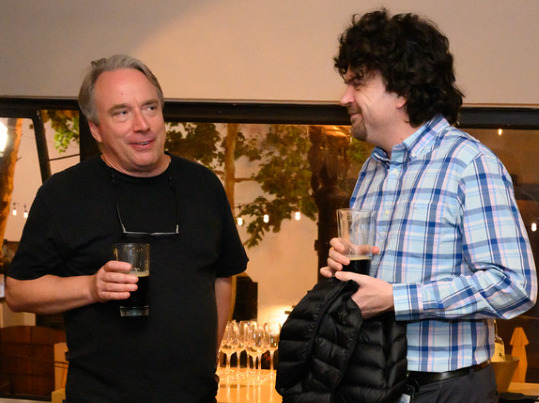
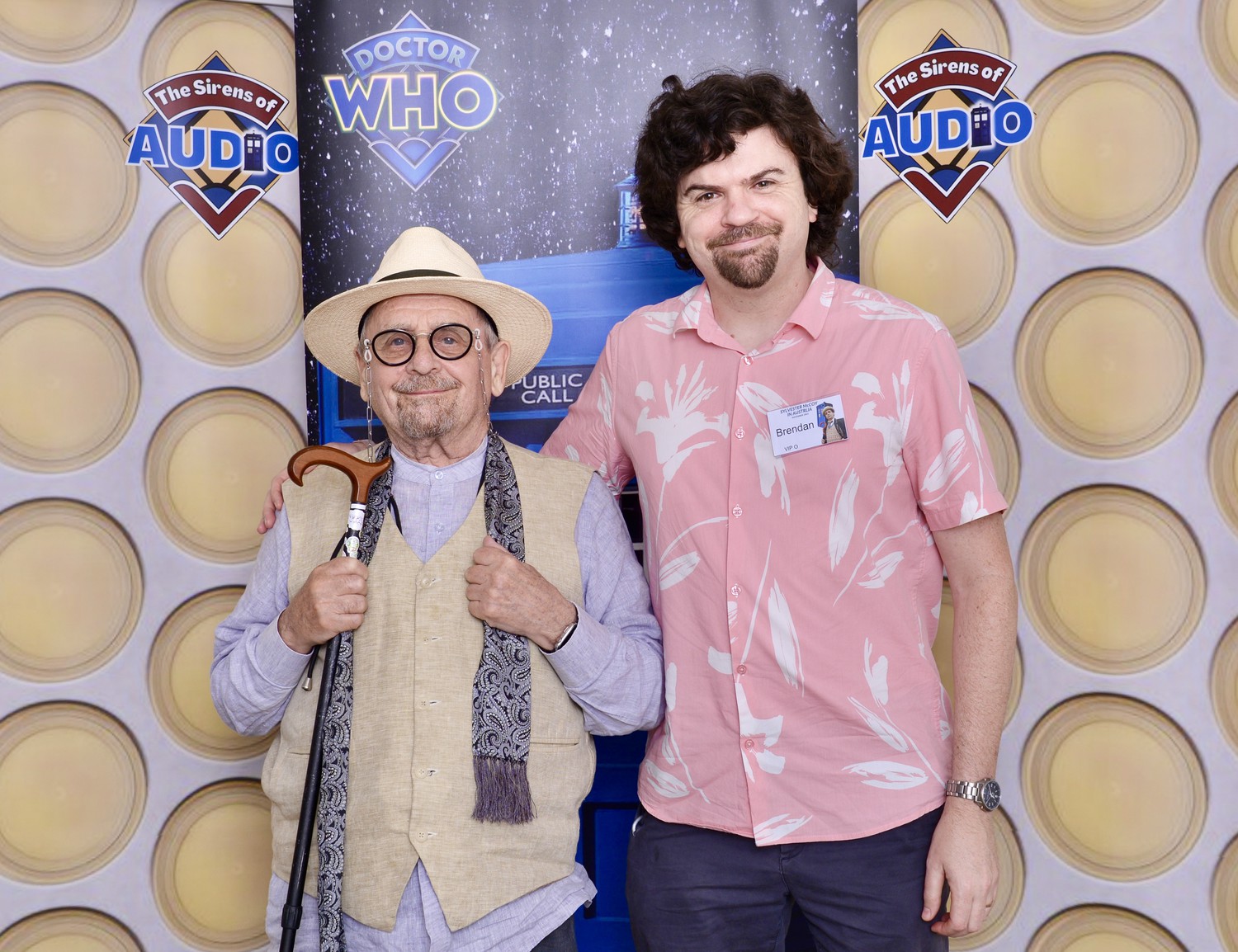
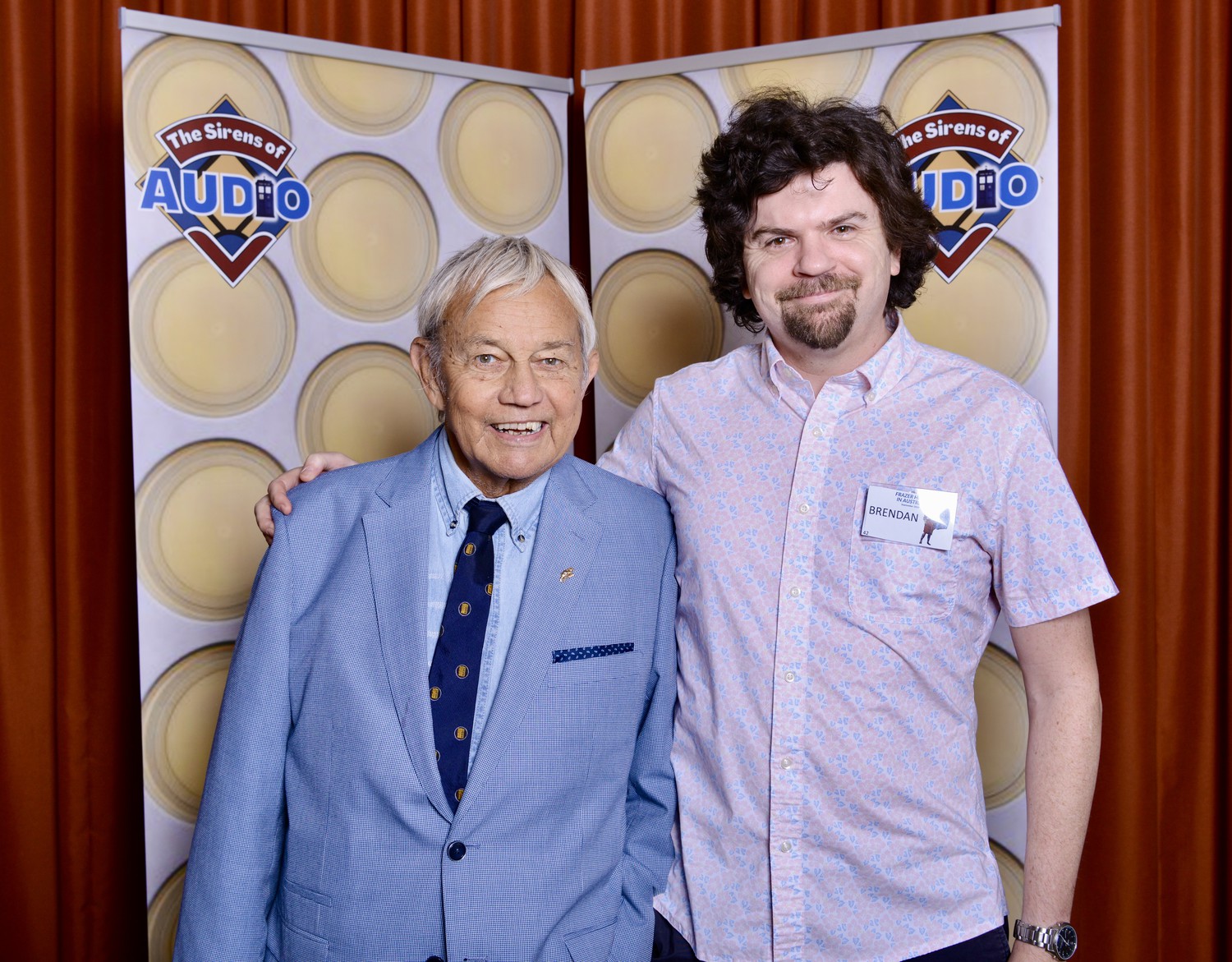
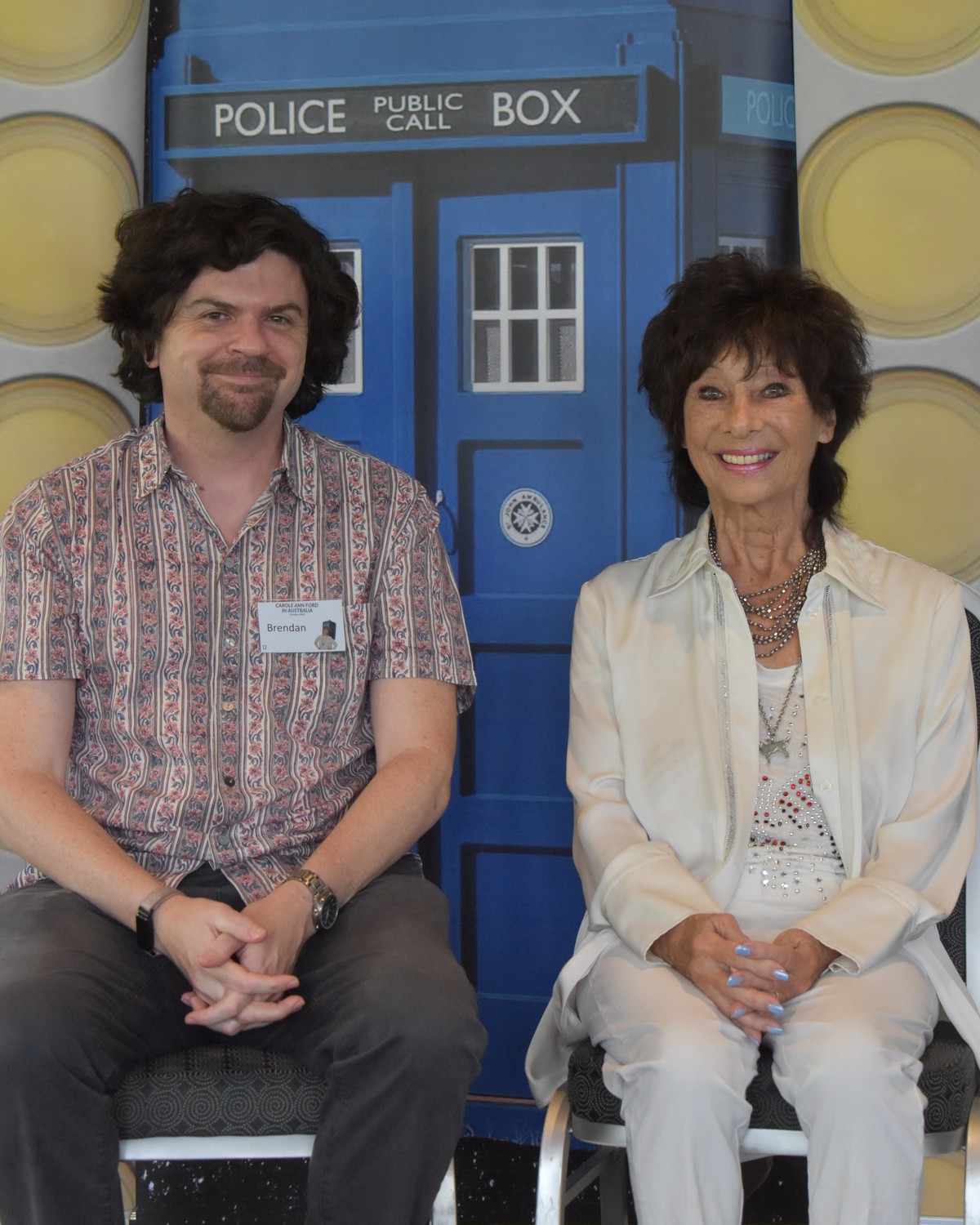
My fond memories from Intel include meeting Linus at an Intel event who said "everyone is using fleme graphs these days" (Finnish accent), meeting Pat Gelsinger who knew about my work and introduced me to everyone at an exec all hands, surfing lessons at an Intel Australia and HP offsite (mp4), and meeting Harshad Sane (Intel cloud support engineer) who helped me when I was at Netflix and now has joined Netflix himself -- we've swapped ends of the meeting table. I also enjoyed meeting Intel's hardware fellows and senior fellows who were happy to help me understand processor internals. (Unrelated to Intel, but if you're a Who fan like me, I recently met some other people as well!)
My next few years at Intel would have focused on execution of those 33 recommendations, which Intel can continue to do in my absence. Most of my recommendations aren't easy, however, and require accepting change, ELT/CEO approval, and multiple quarters of investment. I won't be there to push them, but other employees can (my CloudTeams strategy is in the inbox of various ELT, and in a shared folder with all my presentations, code, and weekly status reports). This work will hopefully live on and keep making Intel stronger. Good luck.
如有侵权请联系:admin#unsafe.sh