文章揭示了声称赠送Walmart礼品卡的在线调查实为骗局,通过收集个人信息用于广告营销和数据交易,提醒用户提高警惕并采取防范措施。 2025-11-10 11:41:54 Author: www.malwarebytes.com(查看原文) 阅读量:25 收藏
You’ve probably seen it before—a bright, urgent message claiming you’ve qualified for a $750 or $1000 Walmart gift card. All you have to do is answer a few questions. It looks harmless enough. But once you click, you find yourself in a maze of surveys, redirects, and “partner offers”—without ever actually reaching the end and claiming your prize.
This so-called “survey” is part of a lead-generation and affiliate marketing scam, designed not to reward you but to harvest your data and push you through ad funnels that make money for others, at the cost of your privacy.

What’s really going on?
It’s a scam because these pages rarely deliver any real gift card. What they’re after is your personal data.
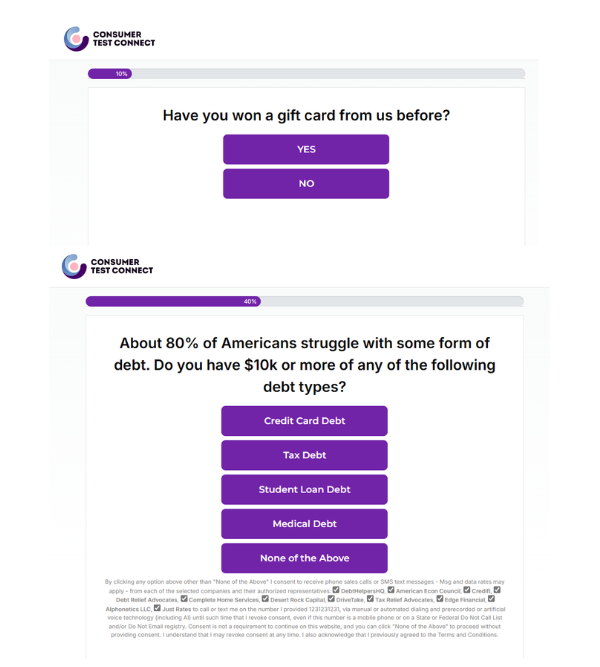
As you move through each step, you’re asked for details like your name, email, phone number, ZIP code and even your home address. In some cases, you’re prompted to share interests such as home repair, debt help, or insurance quotes—each answer helps categorize you for targeted marketing.
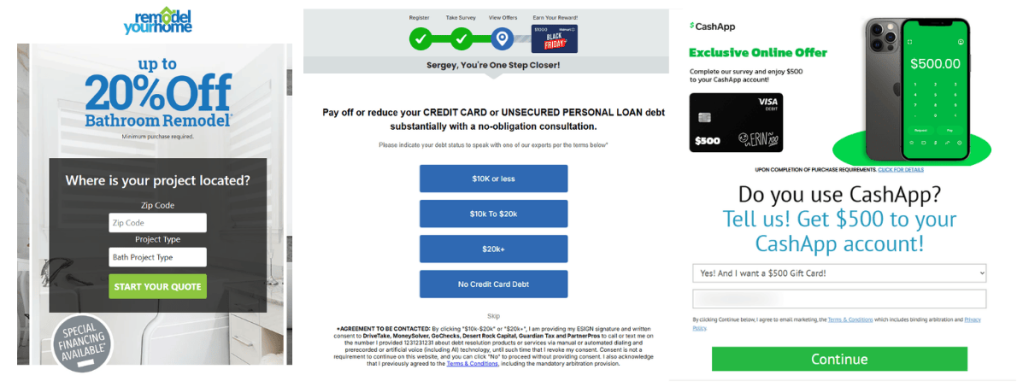
Even if the page itself doesn’t steal money, that information is still valuable. It can be used to target you with more ads and offers, add you to marketing lists, or personalize follow-up contact. In other words, completing the questionnaire hands over data that can be exploited for profit—even when no gift card ever appears.
In some cases, the funnel gets even more specific. For example, if the survey asks you about home projects and you say you’re planning to replace your windows, you might be redirected to what looks like a legitimate home improvement site—often just another form asking for the same details again. The whole thing is designed to keep you filling out more forms, giving up more of your data, to more websites and affiliates.



These scams don’t aren’t just annoying time-wasters. They are harvesting your data, eroding your privacy and exposing you to wider risks. Once your details are shared, they can travel far beyond that fake survey.
Your information may:
- Be resold to advertisers and data brokers, who build detailed profiles about your habits, spending, and location.
- Lead to a surge of spam calls, texts, and phishing emails tailored to your interests.
- Feed more convincing scams down the line, since criminals can now personalize their lures using real information about you.
- End up on unregulated marketing lists that circulate for years, keeping your data in play long after you’ve closed the page.
That’s the hidden cost of a “free” gift card: each click fuels a network that profits from your identity, not your participation.
Why do people fall for it?
The hook is simple—free money and easy participation. But this fake Walmart promotion taps into three powerful psychological triggers:
- The sense of luck: “You’ve been selected!” sounds personal and special.
- The promise of low effort: Answering a few questions feels harmless.
- The illusion of credibility: Walmart’s branding lends legitimacy.
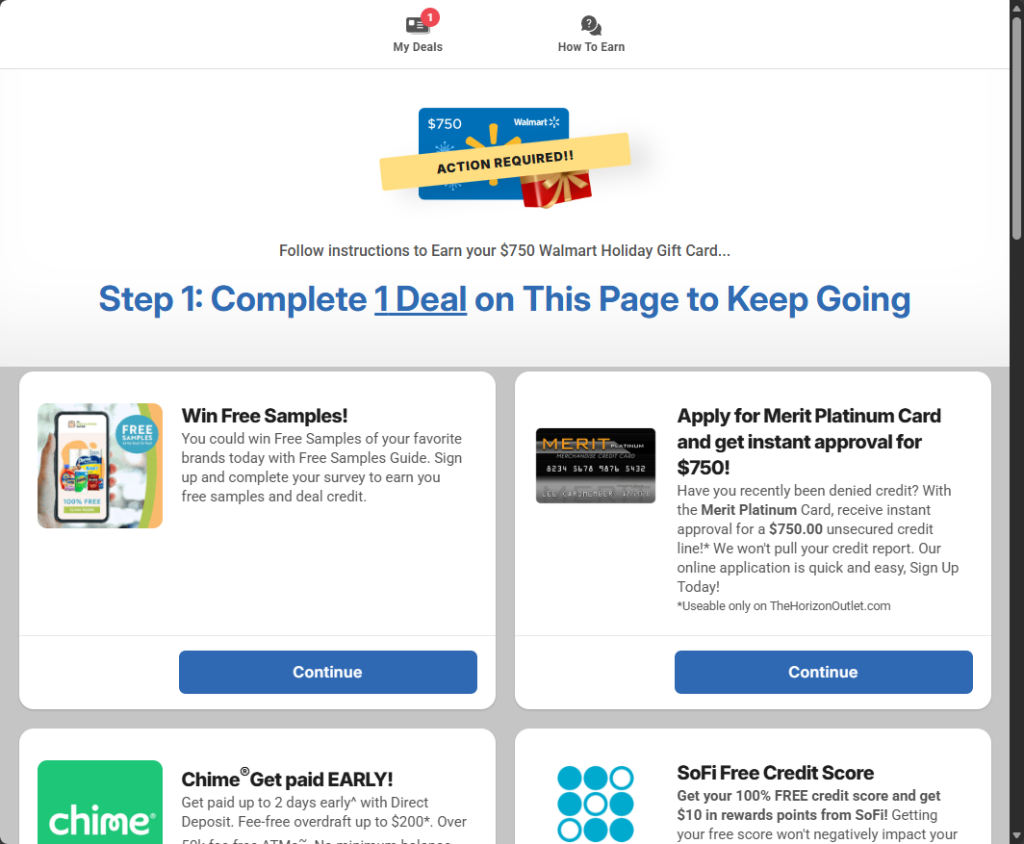
These scams spread mainly through advertising and malvertising networks—pop-ups, spam emails, social media ads, or sketchy website banners that imitate real promotions.
You might spot them alongside news articles or as “sponsored links” that sound too good to be true. Some appear via push notifications or redirects, whisking you from a real website to a fake reward page in seconds.
The designs often use official logos, countdown timers, and congratulatory language to make them look like authentic brand campaigns—tricking people into lowering their guard.
It’s an easy mental shortcut: “If this was fake, it wouldn’t look so professional.” That’s what these scammers count on—the appearance of legitimacy mixed with urgency and reward.
How to protect yourself
These gift card offers aren’t just harmless internet fluff—they’re the front door to a sprawling network of data collection and affiliate profiteering. Each click, form, and redirect is designed to extract value from your attention and information, not to reward you.
Recognizing these scams early is the best defense. Here’s how to stay safe:
- Be suspicious of online surveys promising big rewards. Legitimate promotions from major retailers rarely require long questionnaires or partner offers.
- Never give personal information to unknown pages. If a site asks for your phone number or address for a “free prize,” it’s a red flag.
- Use browser protection tools. Extensions like Malwarebytes Browser Guard can block known scam domains and malvertising networks before they load.
- Check the URL carefully. Real Walmart promotions will always come from official domains (like walmart.com or survey.walmart.com), not random URLs with extra words or numbers.
- Stay alert and skeptical. Online quizzes and reward offers are a favorite bait for scammers. When in doubt – close the tab.
We don’t just report on scams—we help detect them
Cybersecurity risks should never spread beyond a headline. If something looks dodgy to you, check if it’s a scam using Malwarebytes Scam Guard, a feature of our mobile protection products. Submit a screenshot, paste suspicious content, or share a text or phone number, and we’ll tell you if it’s a scam or legit. Download Malwarebytes Mobile Security for iOS or Android and try it today!
如有侵权请联系:admin#unsafe.sh