
嗯,用户让我帮忙总结一篇文章的内容,控制在一百个字以内,而且不需要用“文章内容总结”之类的开头。首先,我需要仔细阅读文章,抓住主要信息。 文章讲的是一个俄罗斯黑客组织Curly COMrades利用微软的Hyper-V技术,在Windows系统中创建隐藏的Alpine Linux虚拟机来运行恶意软件,从而绕过端点检测和响应解决方案。他们使用了自定义工具CurlyShell和CurlCat来进行隐蔽通信和操作。 接下来,我需要将这些信息浓缩到100字以内。要确保涵盖关键点:黑客组织名称、使用的工具、技术手段以及目的。同时,语言要简洁明了,避免冗余。 可能会遇到的问题是如何在有限的字数内完整表达所有重要信息。比如,Hyper-V的使用、隐藏虚拟机、恶意软件运行等都是重点。可能需要合并一些信息,比如将“创建隐藏虚拟机”和“运行恶意软件”结合起来描述。 最后,检查字数是否符合要求,并确保没有遗漏关键细节。这样用户就能快速了解文章的核心内容了。 </think> 俄罗斯黑客组织Curly COMrades利用微软Hyper-V技术,在Windows系统中创建隐藏的Alpine Linux虚拟机运行恶意软件,以规避端点检测。该组织通过自定义工具CurlyShell和CurlCat实现隐蔽通信与操作。 2025-11-4 14:15:17 Author: www.bleepingcomputer.com(查看原文) 阅读量:18 收藏

The Russian hacker group Curly COMrades is abusing Microsoft Hyper-V in Windows to bypass endpoint detection and response solutions by creating a hidden Alpine Linux-based virtual machine to run malware.
Inside the virtual environment, the threat actor hosted its custom tools, the CurlyShell reverse shell and the CurlCat reverse proxy, which enabled operational stealth and communication.
Curly COMrades is a cyber-espionage threat group believed to be active since mid-2024. Its activities are closely aligned with Russian geopolitical interests.

Bitdefender previously exposed Curly COMrades activities against government and judicial bodies in Georgia, as well as energy firms in Moldova.
With the help of the Georgian CERT, the Romanian cybersecurity firm uncovered more about the threat actor's latest operation.
The researchers found that in early July, after gaining remote access to two machines, Curly COMrades executed commands to enable Hyper-V and disable its management interface.
Microsoft includes the Hyper-V native hypervisor technology that provides hardware virtualization capabilities in Windows (Pro and Enterprise) and Windows Server operating systems, allowing users to run virtual machines (VMs).
"The attackers enabled the Hyper-V role on selected victim systems to deploy a minimalistic, Alpine Linux-based virtual machine. This hidden environment, with its lightweight footprint (only 120MB disk space and 256MB memory), hosted their custom reverse shell, CurlyShell, and a reverse proxy, CurlCat," Bitdefender explains in a report shared with BleepingComputer.
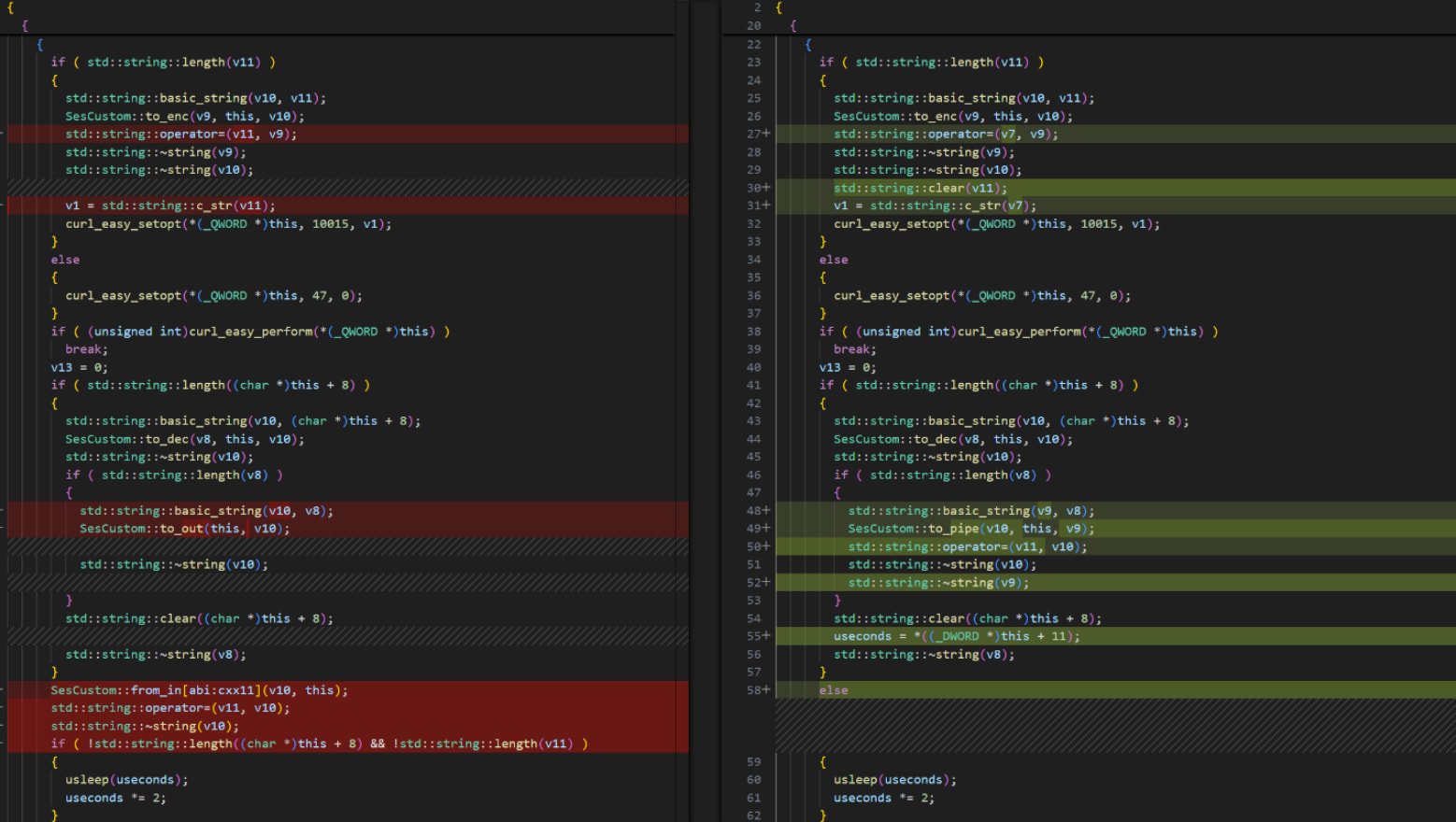
Source: Bitdefender
By keeping the malware and its execution inside a virtual machine (VM), the hackers were able to bypass traditional host-based EDR detections, which lacked network inspection capabilities that could detect the threat actor's command and control (C2) traffic from the VM.
Although relying on virtualization to evade detection is not a new technique, the fragmented coverage of security tools makes it an effective approach on networks that lack a holistic, multi-layered protection.
In the Curly COMrades attacks, evasion was achieved by using the name 'WSL' for the VM, alluding to the Windows Subsystem for Linux feature in the operating system, in the hope of slipping unobserved.
The Alpine Linux VM was configured in Hyper-V to use the Default Switch network adapter, which passed all the traffic through the host's network stack.
"In effect, all malicious outbound communication appears to originate from the legitimate host machine's IP address," Bitdefender researchers explain.
The two custom implants deployed in the VM are ELF binaries based on libcurl and are used for command execution and traffic tunneling:
- CurlyShell – Executes commands, runs inside the hidden Alpine VM and maintains persistence via a cron job. It runs in headless mode and connects to the command-and-control (C2) over HTTPS
- CurlCat – Companion tool used when tunneling is needed, invoked by the shell implant to create a covert SOCKS proxy back to the operator. It wraps SSH traffic into HTTPS requests, allowing network pivoting while blending with normal operations noise.
While investigating the incidents, the researchers also discovered that Curly COMrades used two PowerShell scripts for persistence and pivoting to remote systems.
"One was designed to inject a Kerberos ticket into LSASS, enabling authentication to remote systems and execution of commands," the researchers say.
The second script was deployed through the Group Policy feature and created a local account across machines on the same domain.
The researchers note that the sophistication level of the investigated Curly COMrades attacks reveal an activity tailored for stealth and operational security. The hackers encrypted the embedded payloads and abused PowerShell capabilities, which led to minimum forensic traces on the compromised hosts.
Based on the observations in these attacks, Bitdefender suggests that organizations should monitor for abnormal Hyper-V activation, LSASS access, or PowerShell scripts deployed via Group Policy that trigger local account password resets, or creating new ones.

Secrets Security Cheat Sheet: From Sprawl to Control
Whether you're cleaning up old keys or setting guardrails for AI-generated code, this guide helps your team build securely from the start.
Get the cheat sheet and take the guesswork out of secrets management.
如有侵权请联系:admin#unsafe.sh