
Bellingcat调查发现俄罗斯货船Irtysh违反西方制裁,从被占领的克里米亚出口谷物至也门胡塞地区,并关闭定位追踪系统以规避监管。该船在吉布提接受联合国检查后继续航行。此外,另两艘俄罗斯船只也被发现涉嫌参与类似非法谷物运输活动。 2025-10-23 08:41:7 Author: www.bellingcat.com(查看原文) 阅读量:73 收藏
An investigation by Bellingcat has identified yet another Russian-flagged bulk carrier, Irtysh (IMO: 9664976), operating in defiance of Western sanctions by exporting grain from occupied Crimea to Houthi-controlled Yemen.
Following the same pattern of deceptive methods used by other vessels involved in what Ukraine describes as “grain theft,” Irtysh disabled its location tracking en route to and from the Port of Sevastopol. The vessel also made a mandatory stop in Djibouti for inspection by the United Nations Verification and Inspection Mechanism (UNVIM) for Yemen before sailing on to the Port of Saleef, Yemen.
The majority of UN member states have repeatedly voted against Russia’s invasion of Ukraine. UNVIM told Bellingcat: “As a UN mandated body UNVIM does not have the authority to block shipments based on unilateral national or regional sanctions.” They added: “The UNVIM mandate is limited to verifying compliance with the UN Security Council resolutions related to Yemen.”
However, experts have previously highlighted to Bellingcat that even with the limitations of that remit the fact that grain shipments from occupied Ukrainian territories are passing through UN inspection mechanism creates an awkward situation.
By combining satellite analysis and Automated Identification System (AIS) data, Bellingcat has mapped Irtysh’s journey. During the investigation, two additional vessels were also identified with their tracking systems disabled while loading grain in Sevastopol: Matros Pozynich (IMO: 9573816) and Zafar (IMO: 9720263).
2025-08-07 14:27
Bosphorus Strait
With its red paint fully visible, the vessel appeared to be carrying very little cargo.
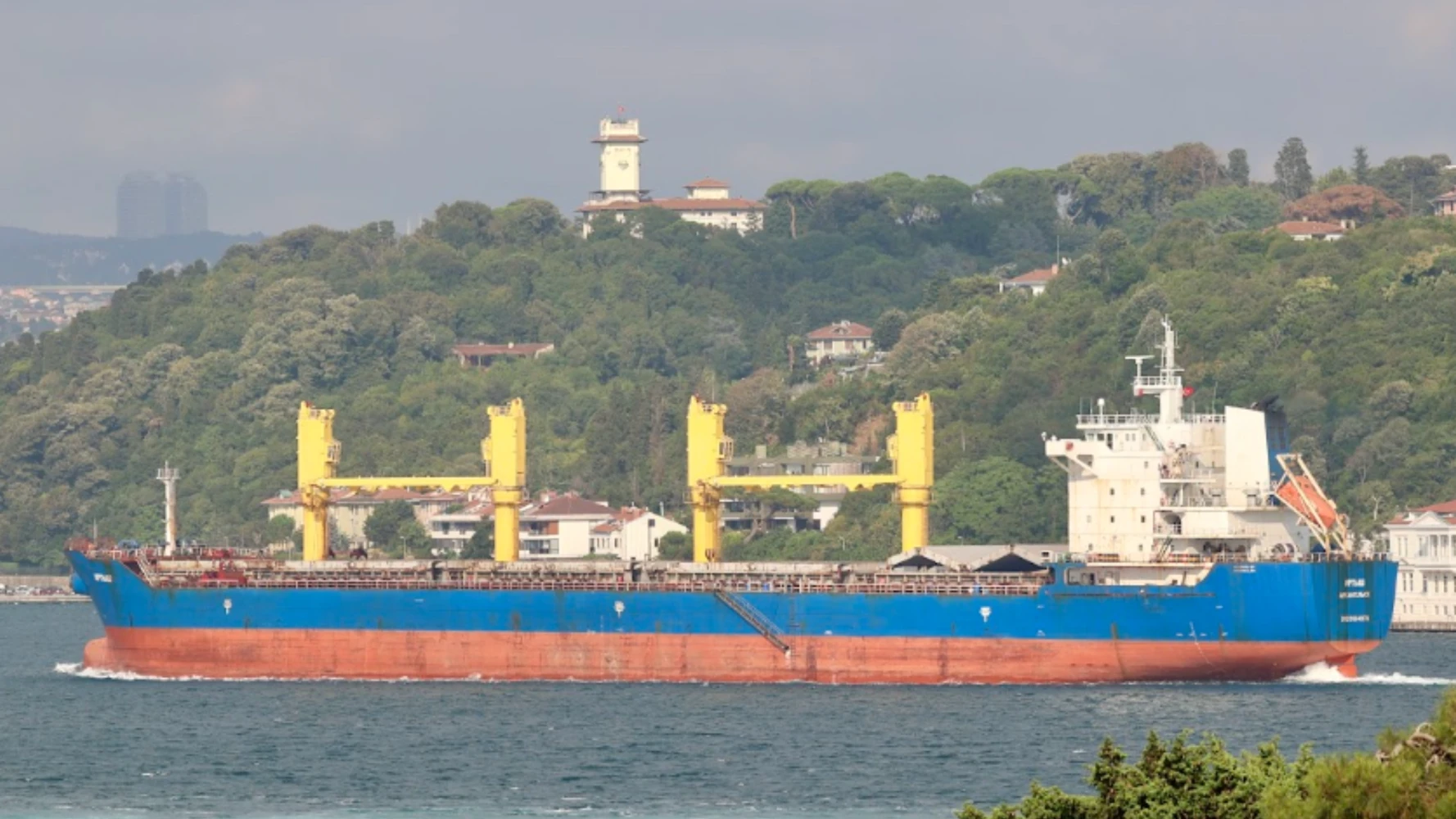
Credit: Yörük Işık
Black Sea
Irtysh went dark – an AIS gap lasting two weeks began.
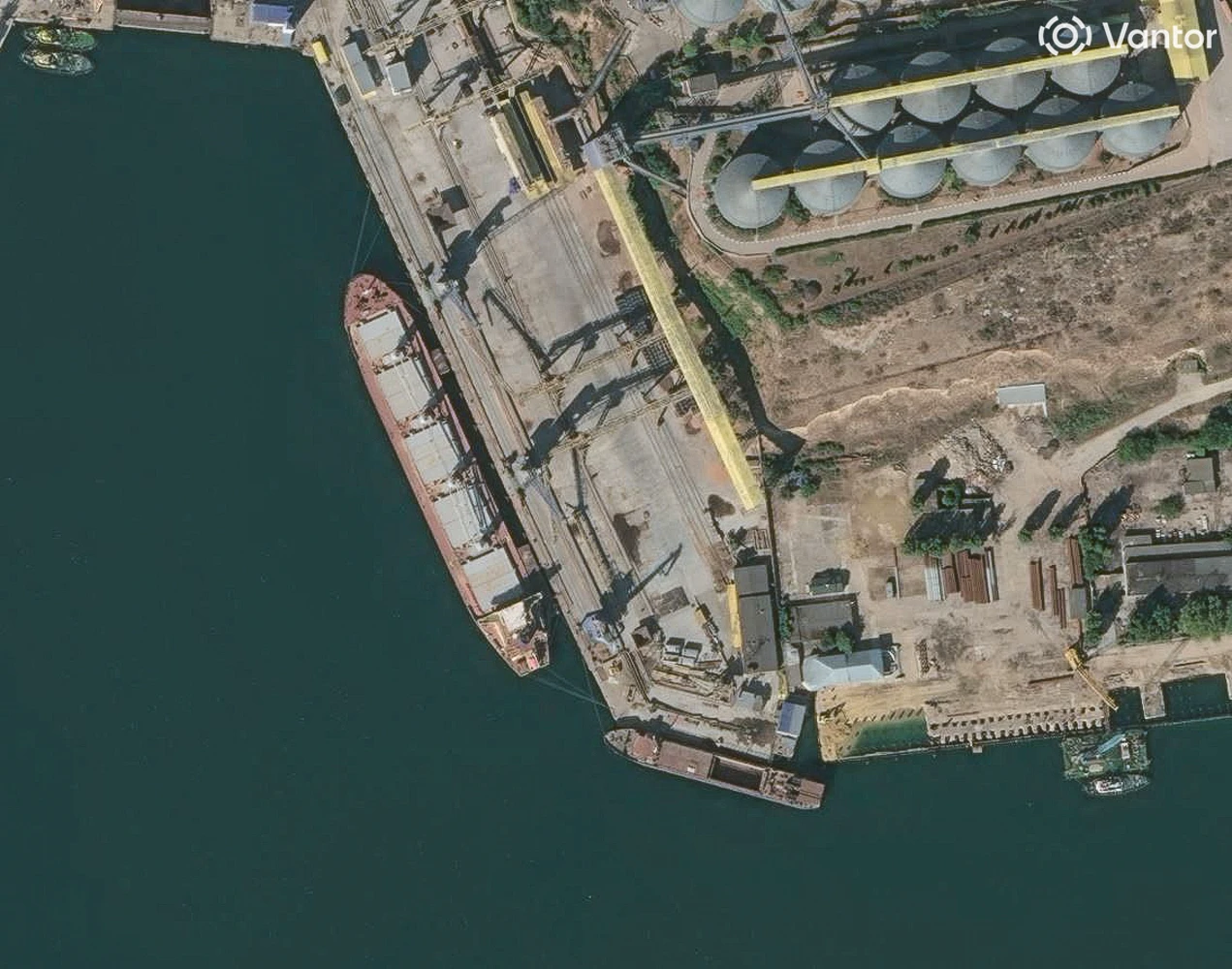
Occupied Crimea: Port of Sevastopol
Imagery showed Irtysh docked with its hatches open at Berth 21 of the Avlita grain terminal.
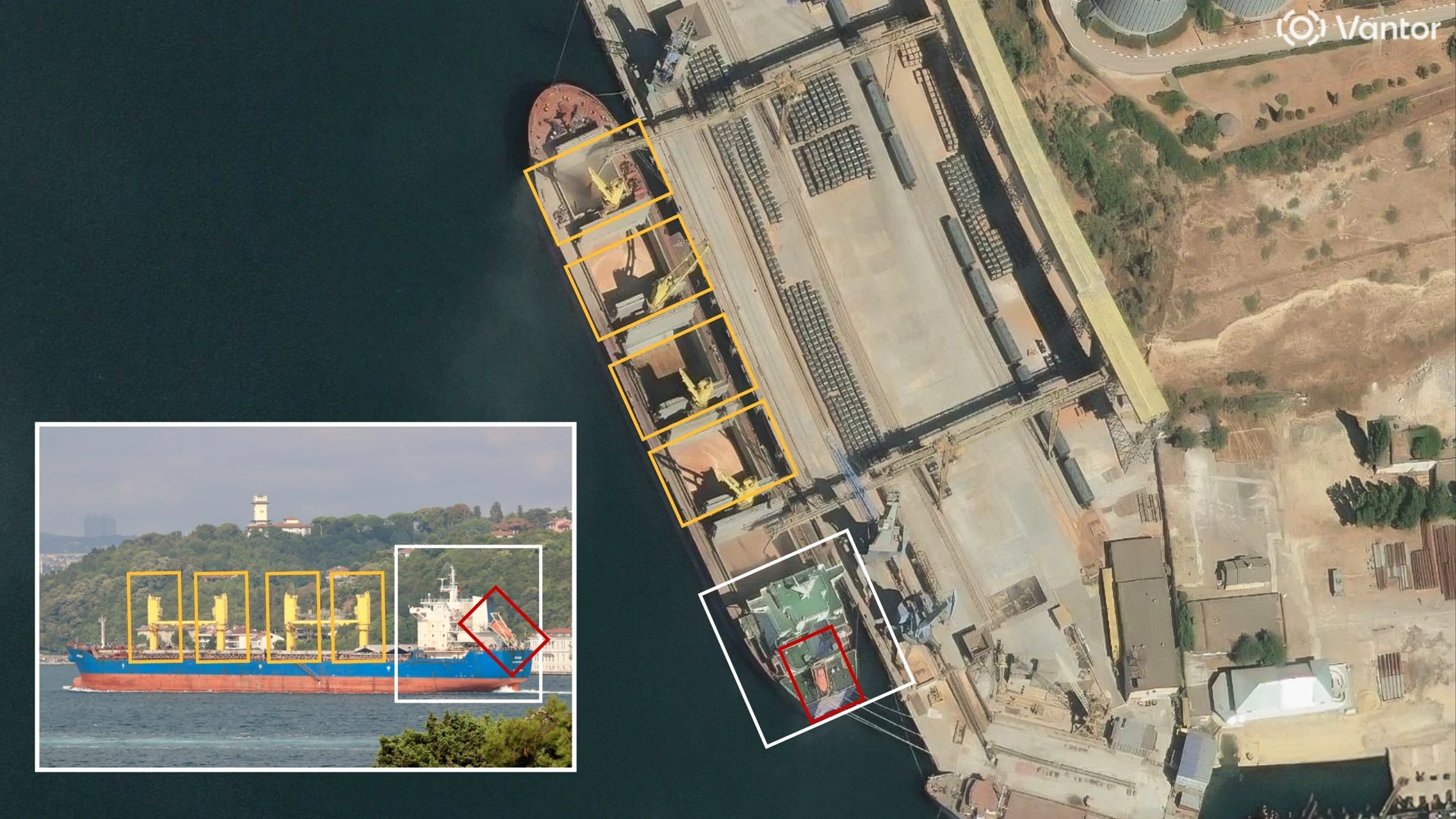
Credit: 2025 Vantor
Black Sea
Returning to Turkish waters, Irtysh turned its AIS back on as required for transiting the Bosphorus.
Bosphorus Strait
With no red paint visible and the Plimsoll line near maximum draft, the vessel appeared fully laden.
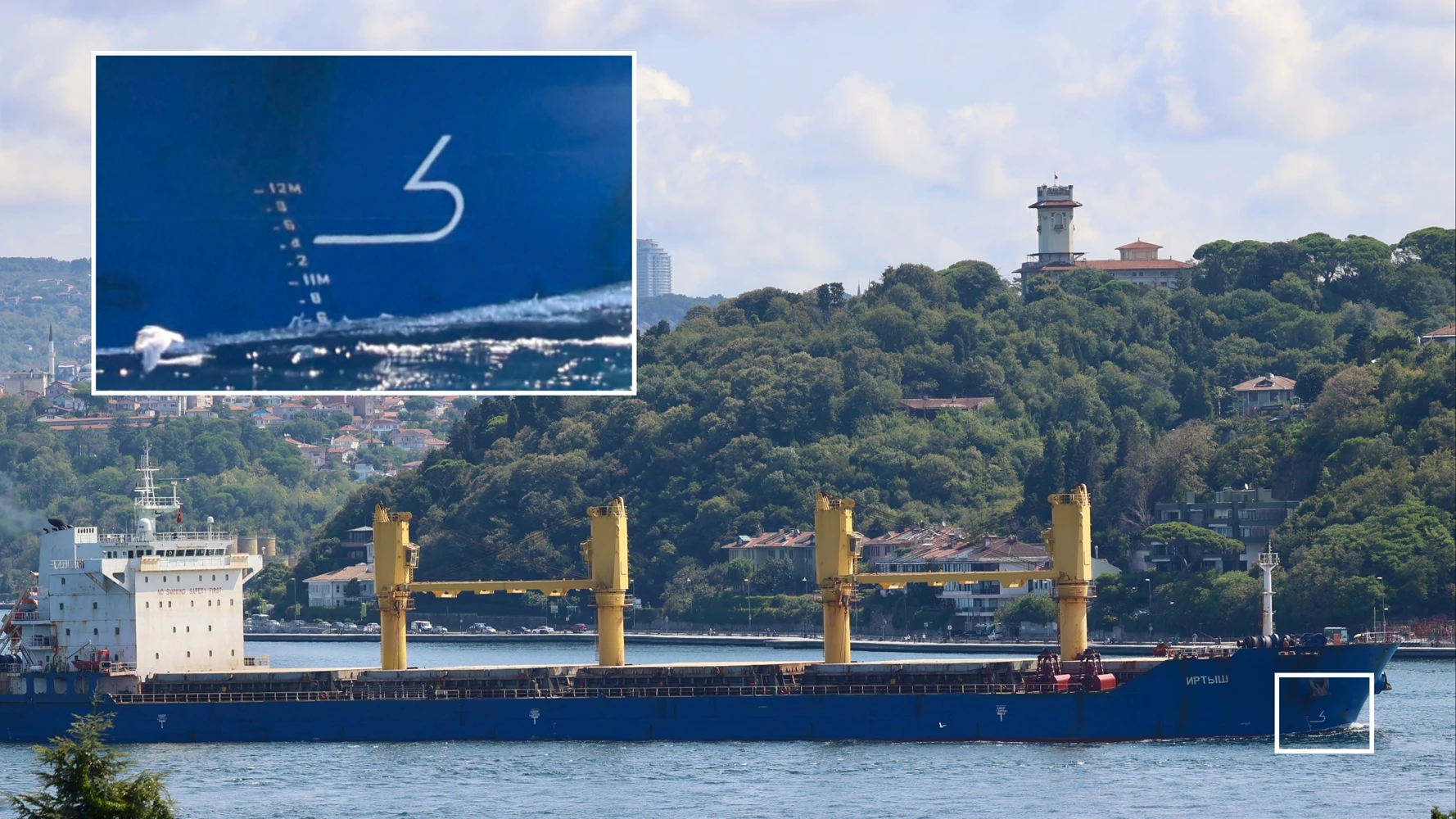
Credit: Yörük Işık
Egypt: Suez Canal
Irtysh transited the man-made waterway connecting the Mediterranean to the Red Sea.
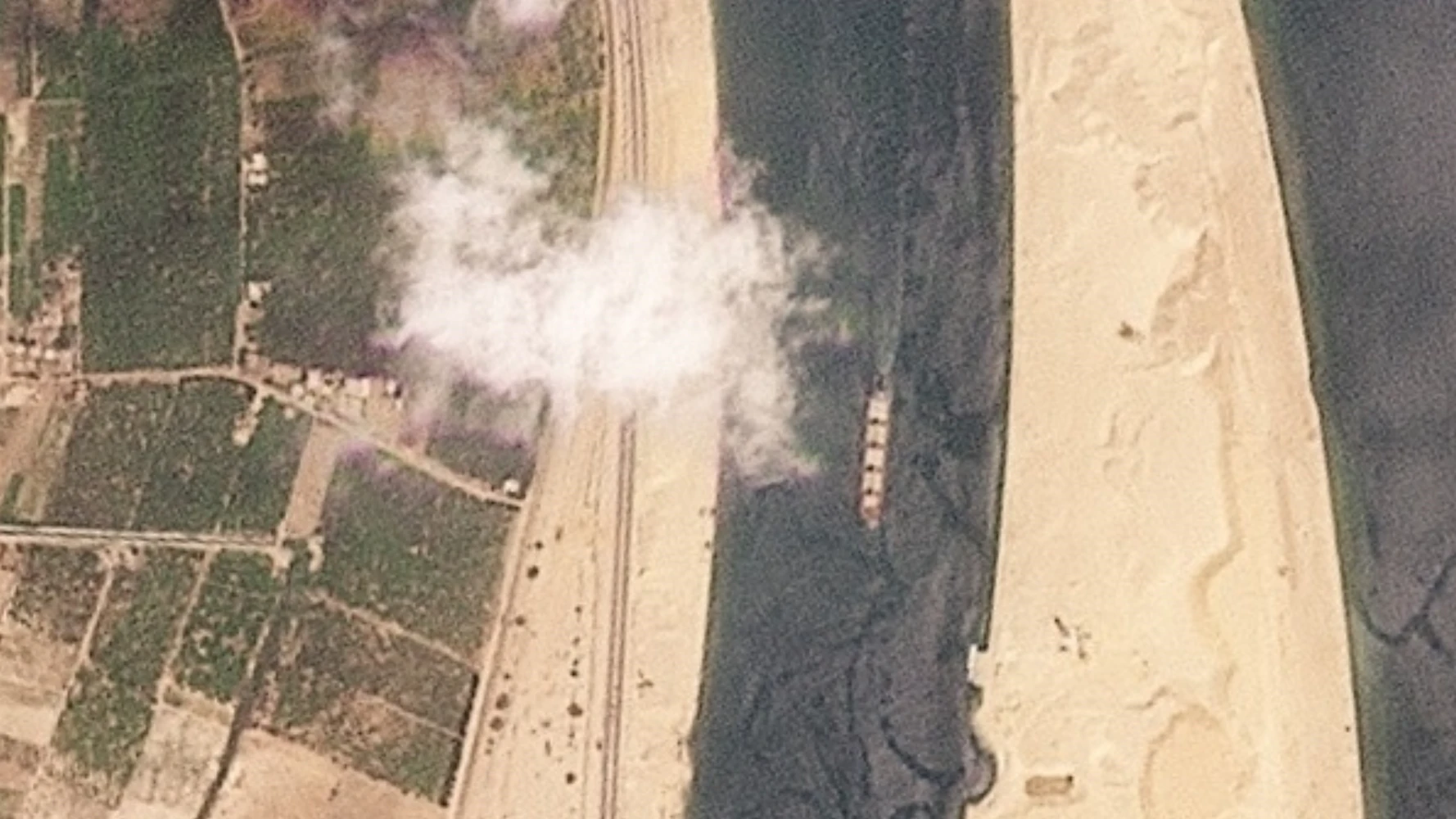
Credit: Planet Labs PBC
Port of Djibouti: UNVIM Inspection
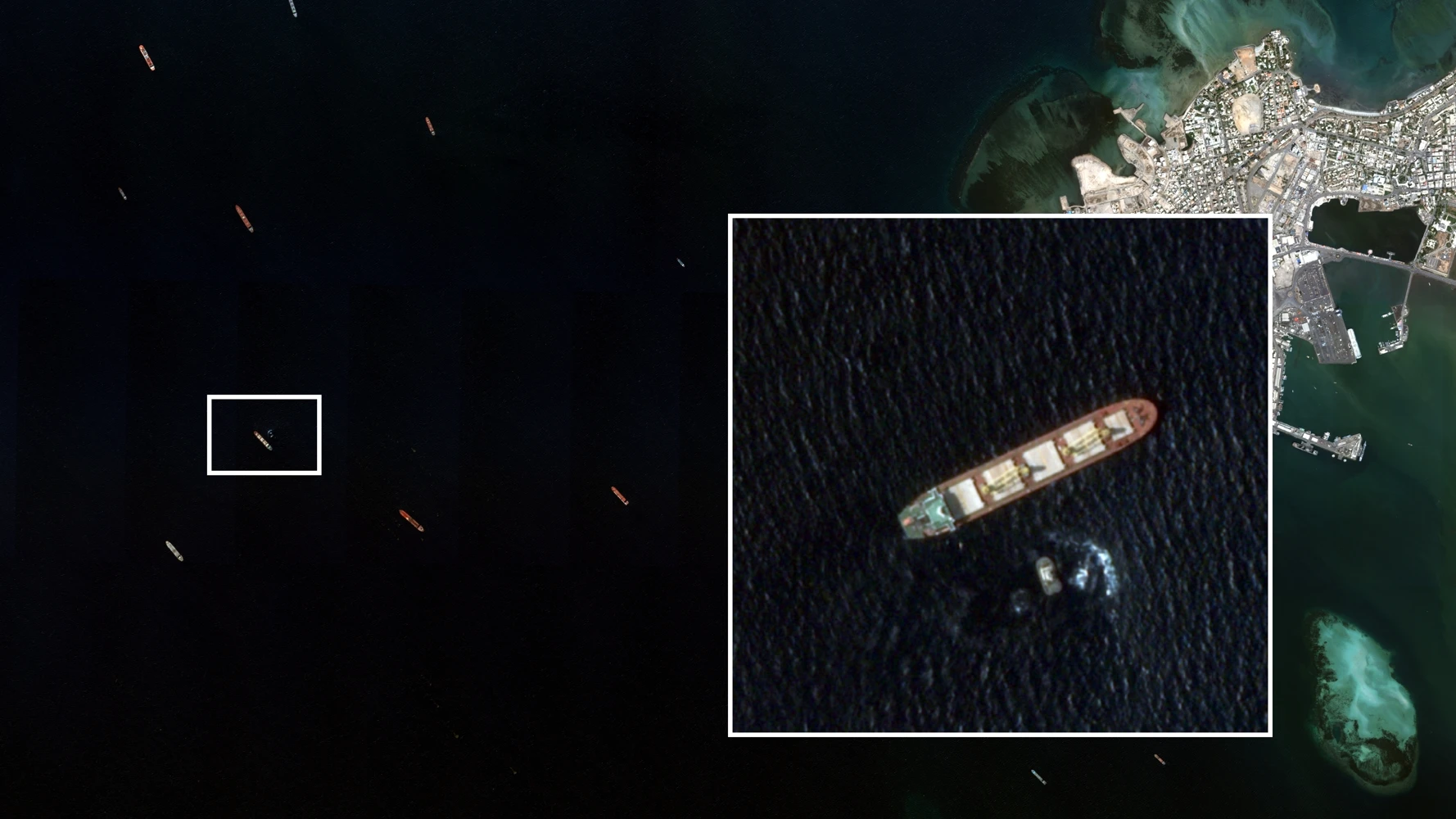
All cargo vessels must be inspected in Djibouti before proceeding to Houthi-controlled ports. AIS data showed Irtysh anchored off Djibouti for six days.
Credit: Planet Labs PBC
Houthi-controlled Yemen: Port of Saleef
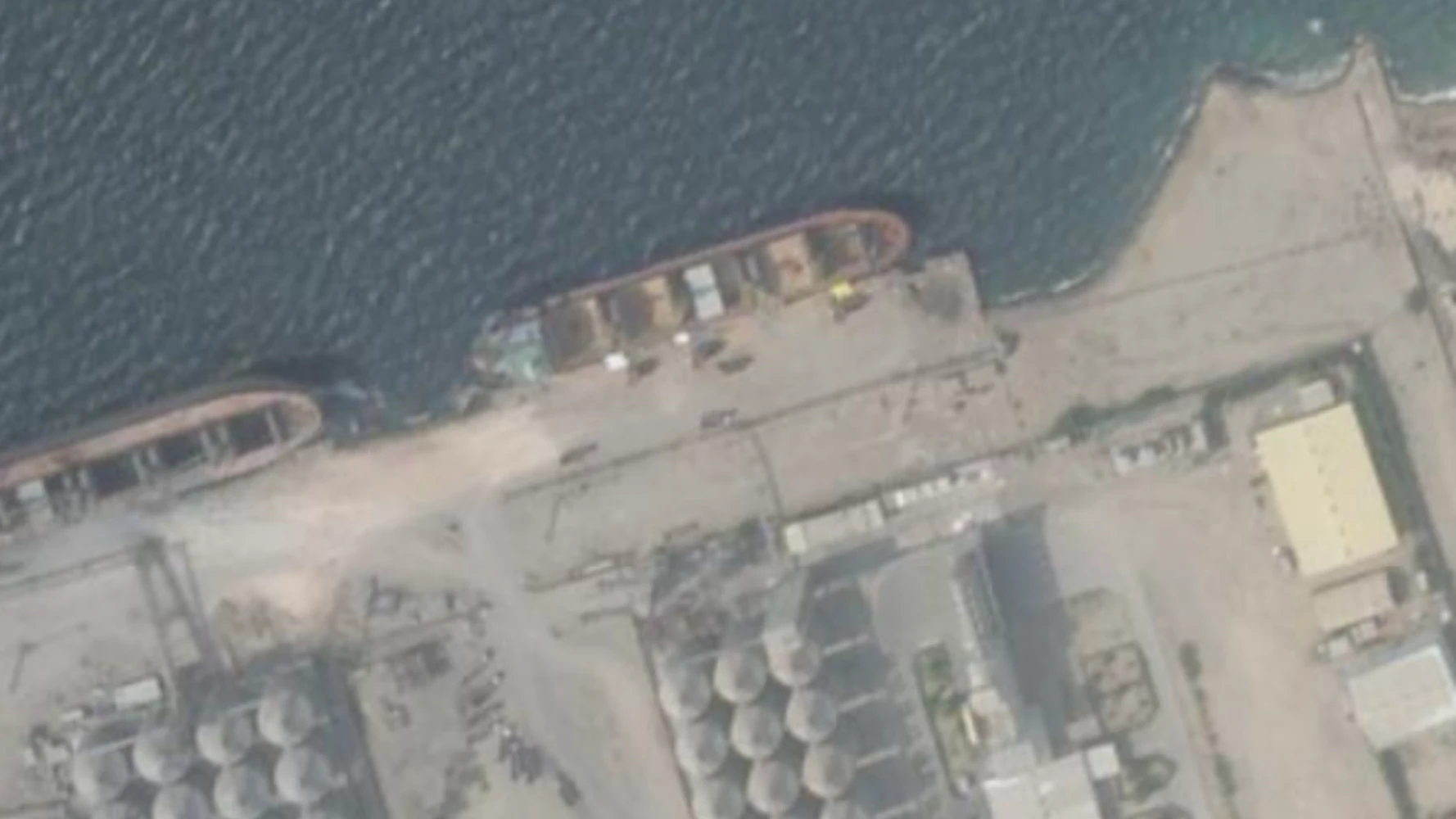
Irtysh docked at the Port of Saleef for ten days, according to imagery and AIS data.
Credit: Planet Labs PBC
Bosphorus Strait
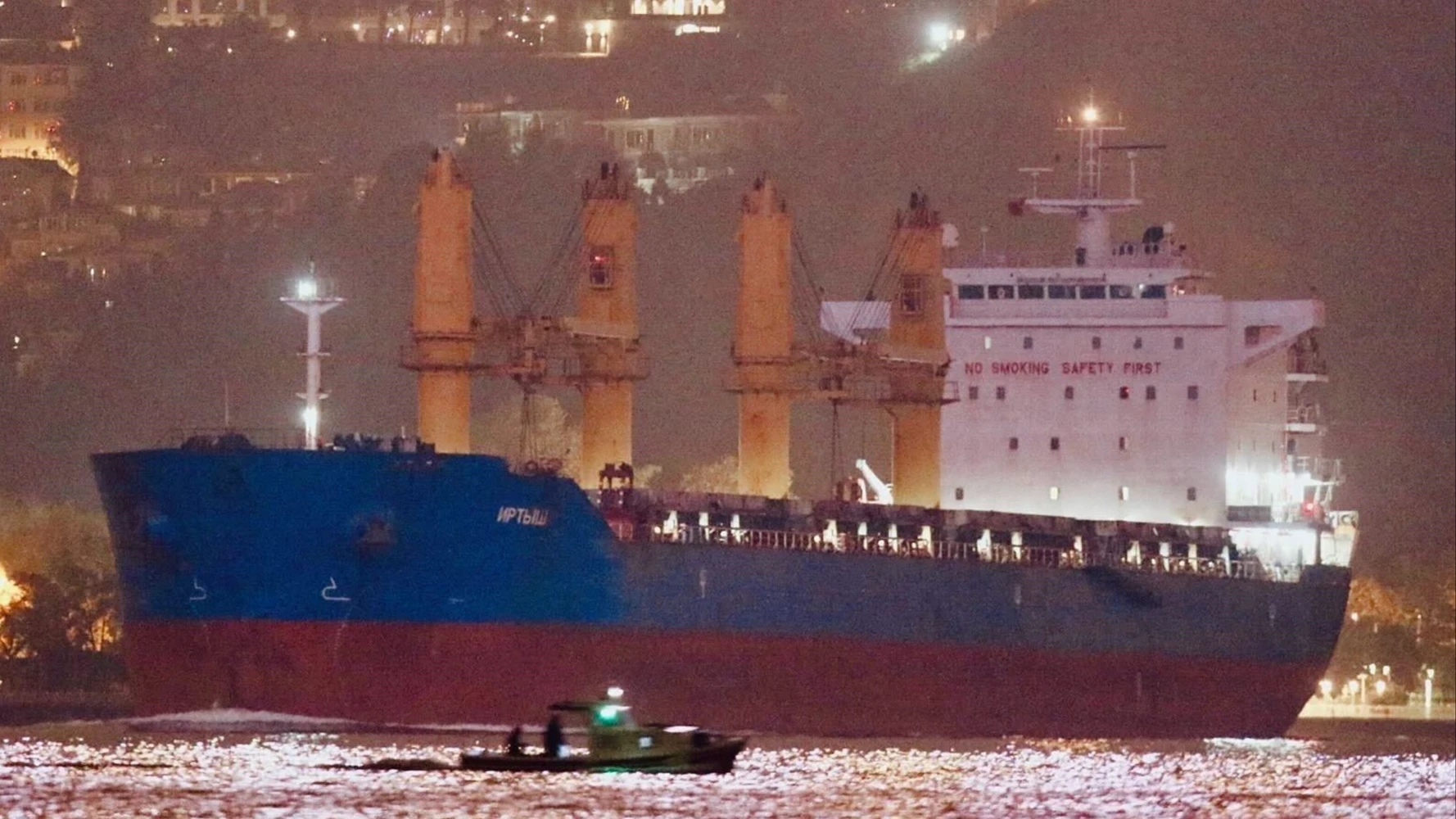
Returning via the Suez Canal, Irtysh transited the Bosphorus with its red paint fully visible, thus was not heavily laden.
Credit: Yörük Işık
Black Sea
Another AIS blackout, echoing its outbound path.
Occupied Crimea: Port of Sevastopol
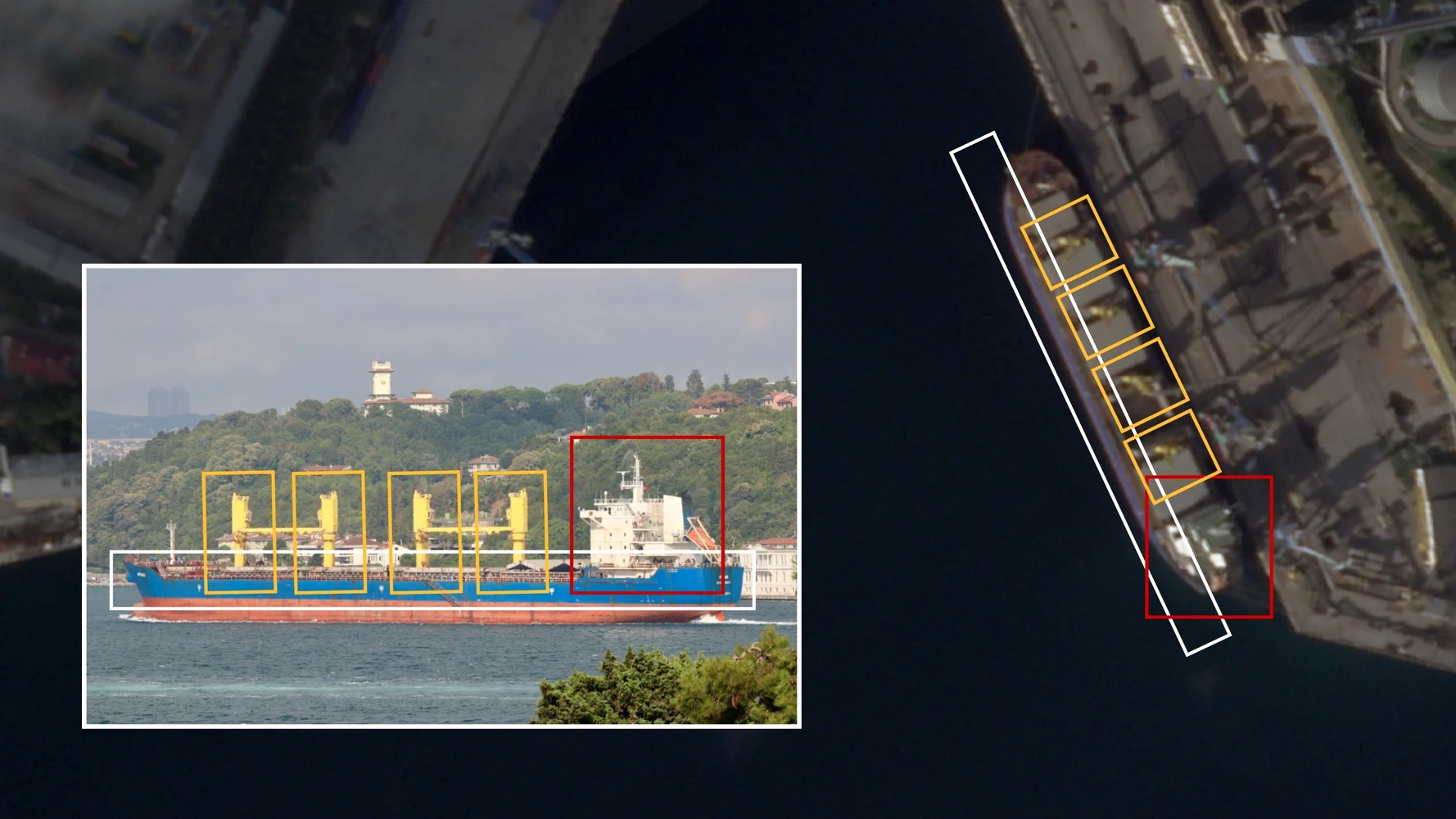
Irtysh returned to Berth 21 of the Avlita grain terminal. As of the latest available imagery, the vessel remains in Sevastopol.
Credit: Planet Labs PBC
Just over a month after Irtysh was first seen loading grain at the Port of Sevastopol, Bellingcat identified another Russian vessel, Matros Pozynich, at the same berth. Previously identified by CNN in 2022 for exporting grain from occupied Ukraine, and by Bellingcat the following year, the vessel was docked at the Avlita grain terminal on Sept. 20.
Two days later, Matros Pozynich switched its AIS back on before sailing through the Bosphorus Strait, just as Irtysh had. With its hull sitting low in the water, the vessel was photographed passing through Turkish waters seemingly fully laden.
After calling at Djibouti, likely for inspection by UNVIM, AIS data shows the bulk carrier departing for Saleef, Yemen, on Oct. 8. At time of publication, Matros Pozynich remains in anchorage off the Port of Saleef, Yemen.
Fully Laden in Bosphorus Strait
Sept. 23, 2025
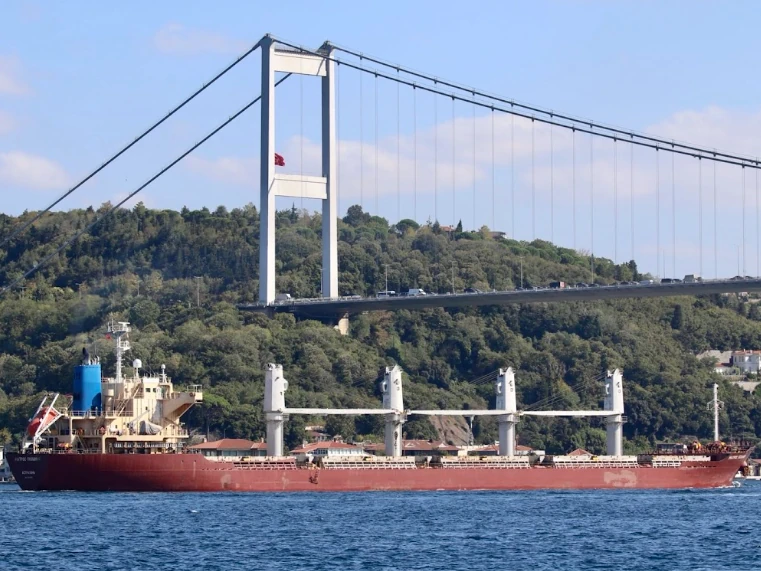
Credit: Yörük Işık

A third vessel, also previously implicated for smuggling grain, Zafar, was captured by satellite imagery with its AIS turned off at the Port of Sevastopol from Sept. 23.

At the time of publication, Zafar had not sailed to Yemen via Djibouti. Instead, it was anchored off the Port of Alexandria, Egypt – another known location for offloading grain from occupied Ukraine, according to OCCRP reporting.
“Grain Theft”
Ukraine has repeatedly tried to dissuade countries from purchasing shipments loaded with what it describes as stolen grain from occupied regions.
The Port of Sevastopol and the Avlita grain terminal remain under European, UK and US sanctions. While no UN sanctions specifically target the port, a majority of UN member states have passed resolutions condemning Russia’s invasion of Ukraine and of its occupation of Crimea since 2024.

Support Bellingcat
Your donations directly contribute to our ability to publish groundbreaking investigations and uncover wrongdoing around the world.
Both Irtysh and Matros Pozynich delivered grain to the Houti-controlled Port of Saleef via Djibouti – the UNVIM inspection point for Yemen. After ten years of war, the UNHCR reports that tens of thousands of people in Yemen are living in famine-like conditions, with a further five million people experiencing food insecurity.
UNVIM confirmed to Bellingcat that the Irtysh was inspected “in line with UNVIM operational protocols” on Sept. 7 and cleared by the Saudi-led coalition Evacuation and Humanitarian Operations Cell (EHOC) – a body entirely separate from the UN – on Sept. 8.
Asked whether UNVIM was aware the vessel had picked up grain from a port under Western sanctions, the agency replied: “The UNVIM mandate is limited to verifying compliance with the UN Security Council resolutions related to Yemen. Unilateral national sanctions or measures beyond that scope are outside the UNVIM mandate.”
Neither the Russian government nor its foreign ministry responded to requests for comment.
Yörük Işık, Bridget Diakun, Peter Barth, Galen Reich, Claire Press and Merel Zoet contributed to this report.
Bellingcat is a non-profit and the ability to carry out our work is dependent on the kind support of individual donors. If you would like to support our work, you can do so here. You can also subscribe to our Patreon channel here. Subscribe to our Newsletter and follow us on Twitter here and Mastodon here.
如有侵权请联系:admin#unsafe.sh