
好的,我现在需要帮用户总结一篇文章,控制在100字以内。首先,我得仔细阅读文章内容,抓住主要信息。 文章讲的是美国计算机制造商Framework的约20万台Linux系统被发现存在安全漏洞。问题出在UEFI壳组件中包含了一个危险的mm命令,这个命令允许直接读写系统内存,原本用于低级诊断和固件调试,但被攻击者滥用,绕过了Secure Boot保护。 攻击者可以利用这个漏洞加载bootkit,比如BlackLotus、HybridPetya和Bootkitty,这些恶意软件可以绕过操作系统级别的安全控制,并在重新安装操作系统后仍然存在。Eclypsium的研究人员指出,mm命令可以用来覆盖gSecurity2变量,导致签名验证失效。此外,攻击还可以通过启动脚本自动化,在每次重启后持续生效。 Framework公司已经意识到问题,并开始修复漏洞。受影响的用户被建议安装安全更新或采取其他临时措施。 总结的时候要简明扼要,涵盖主要点:受影响的系统数量、漏洞原因、攻击影响、修复情况等。同时要确保语言流畅,不超过100字。 </think> 美国计算机制造商Framework约20万台Linux设备因UEFI固件中的安全漏洞面临风险。该漏洞源于合法签名的UEFI壳组件中包含一个危险的"内存修改"(mm)命令,允许攻击者绕过Secure Boot保护并加载恶意引导工具(如BlackLotus、HybridPetya和Bootkitty),这些工具可绕过操作系统安全控制并在系统重装后持续存在。该问题已得到修复,建议用户安装安全更新以缓解风险。 2025-10-14 13:30:19 Author: www.bleepingcomputer.com(查看原文) 阅读量:87 收藏
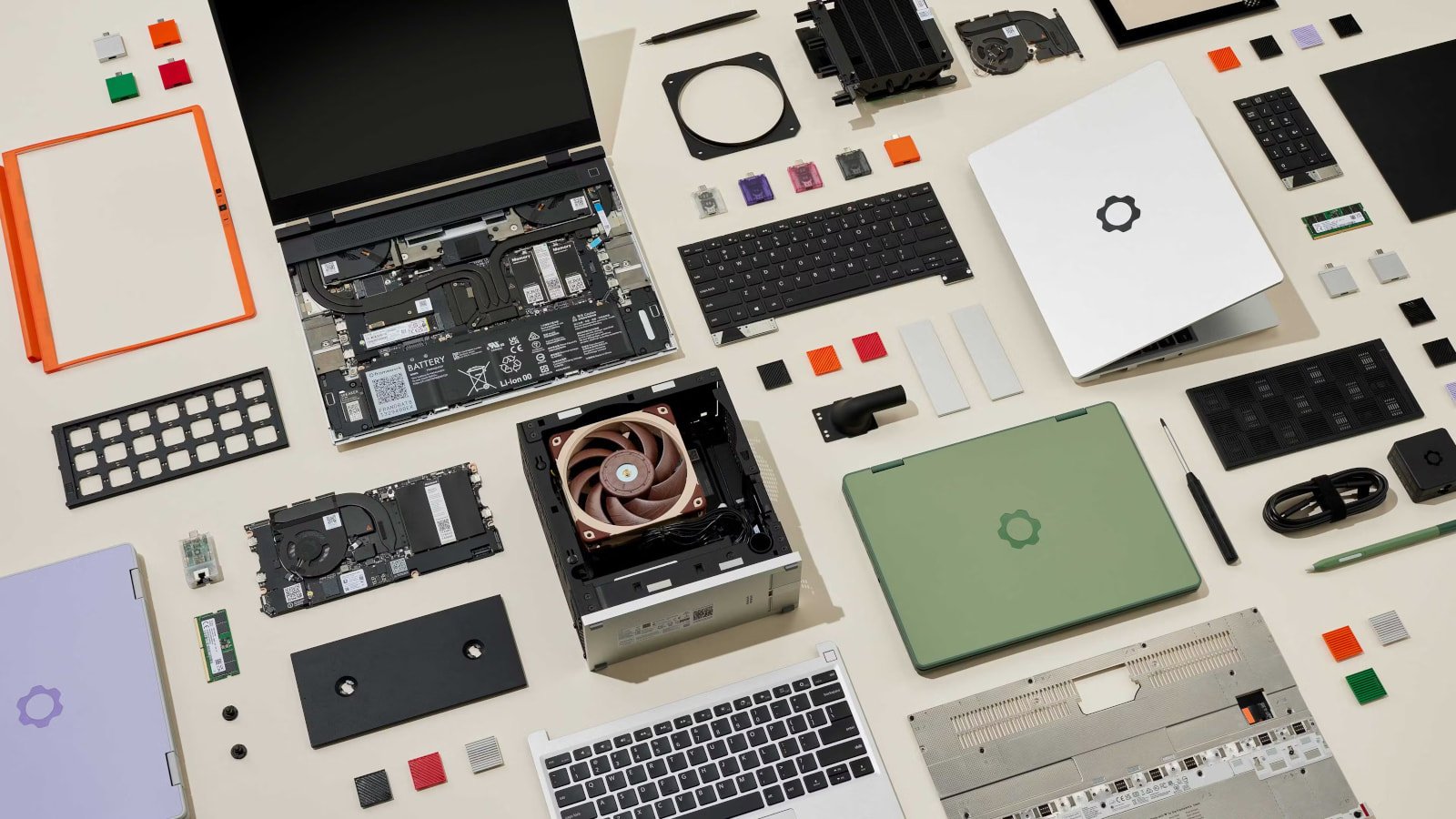
Around 200,000 Linux computer systems from American computer maker Framework were shipped with signed UEFI shell components that could be exploited to bypass Secure Boot protections.
An attacker could take advantage to load bootkits (e.g. BlackLotus, HybridPetya, and Bootkitty) that can evade OS-level security controls and persist across OS re-installs.
Powerful mm command
According to firmware security company Eclypsium, the problem stems from including a 'memory modify' (mm) command in legitimately signed UEFI shells that Framework shipped with its systems.
The command provides direct read/write access to system memory and is intended for low-level diagnostics and firmware debugging. However, it can also be leveraged to break the Secure Boot trust chain by targeting the gSecurity2 variable, a critical component in the process of verifying the signatures of UEFI modules.
The mm command can be abused to overwrite gSecurity2 with NULL, effectively disabling signature verification.
"Once the address is identified, the mm command can overwrite the security handler pointer with NULL or redirect it to a function that always returns "success" without performing any verification," - Eclypsium
"This command writes zeros to the memory location containing the security handler pointer, effectively disabling signature verification for all subsequent module loads."
The researchers also note that the attack can be automated via startup scripts to persist across reboots.
Around 200,000 systems impacted
Framework is a US-based hardware company known for designing modular and easily repairable laptops and desktops.
The presence of the risky mm command is not the result of a compromise but appears more of an oversight. After learning of the issue, Framework started to work on remediating the vulnerabilities.
Eclypsium researchers estimates that the problem has impacted roughly 200,000 Framework computers:
- Framework 13 (11th Gen Intel), fix planned in 3.24
- Framework 13 (12th Gen Intel), fixed in 3.18, DBX update planned in 3.19
- Framework 13 (13th Gen Intel), fixed in 3.08, DBX update issued in 3.09
- Framework 13 (Intel Core Ultra), fixed in 3.06
- Framework 13 (AMD Ryzen 7040), fixed in 3.16
- Framework 13 (AMD Ryzen AI 300), fixed in 3.04, DBX update planned in 3.05
- Framework 16 (AMD Ryzen 7040), fixed in 3.06 (Beta), DBX update issued in 3.07
- Framework Desktop (AMD Ryzen AI 300 MAX), fixed in 3.01, DBX update planned in 3.03
Impacted users are recommended to apply the available security updates. Where a patch isn't available yet, secondary protection measures like physical access prevention is crucial. Another temporary mitigation is to delete Framework's DB key via the BIOS.

The Security Validation Event of the Year: The Picus BAS Summit
Join the Breach and Attack Simulation Summit and experience the future of security validation. Hear from top experts and see how AI-powered BAS is transforming breach and attack simulation.
Don't miss the event that will shape the future of your security strategy
如有侵权请联系:admin#unsafe.sh