
Claude Code 是 Anthropic 推出的 AI 驱动编程工具,通过命令行将终端转变为智能编码环境。它能根据需求生成代码、处理复杂任务并提供架构建议。开发者只需描述目标,AI 负责实现。这改变了编程方式,使开发更高效,并推动角色从编码转向设计与审查。 2025-8-4 14:33:34 Author: securityboulevard.com(查看原文) 阅读量:14 收藏
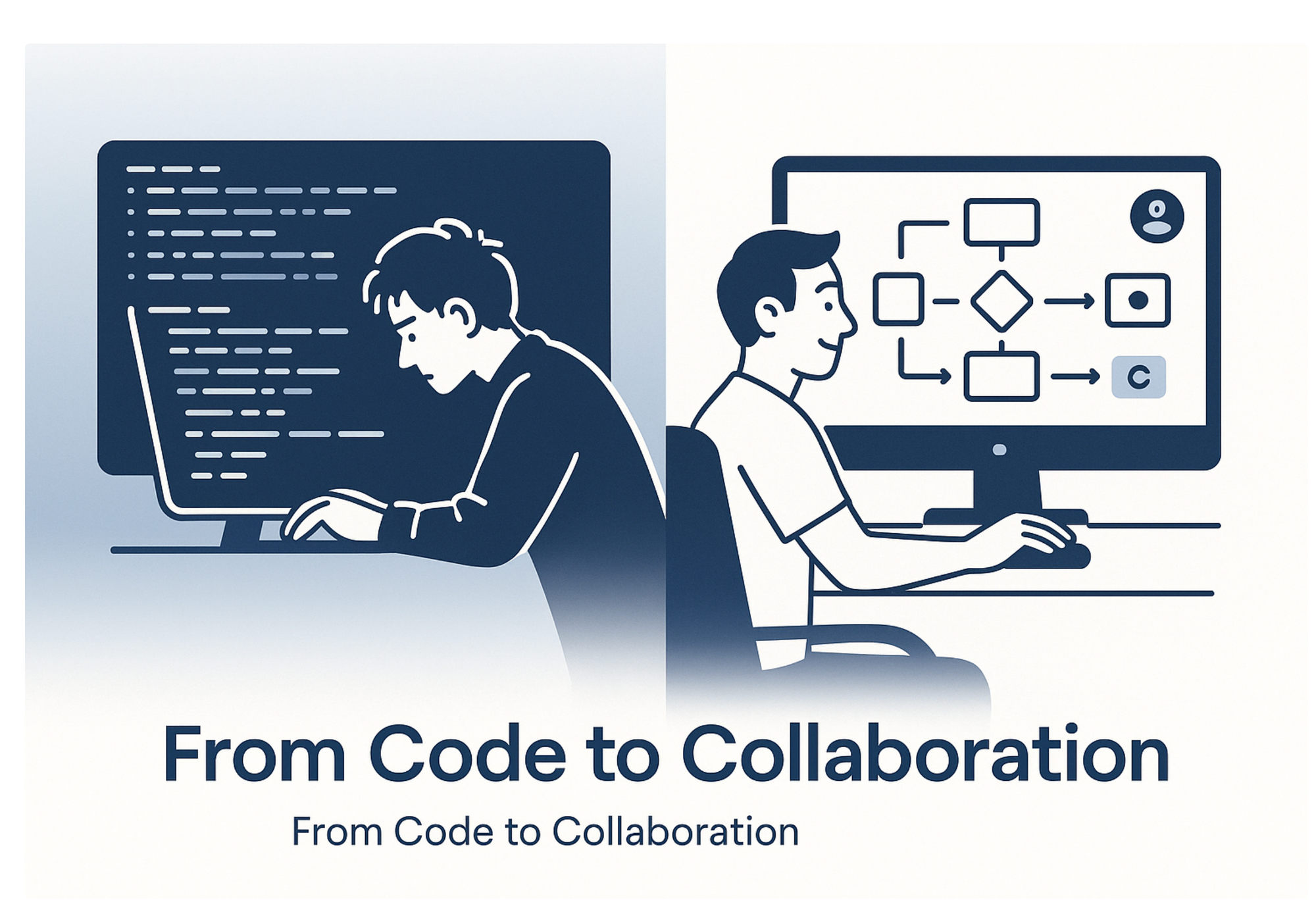
Software development is changing a lot. After using Claude Code for a month, one thing is clear: this isn't just another coding tool. It's a new way to build software that changes how we think about programming.
What Claude Code Actually Does
Claude Code is anthropic's command-line tool that turns your terminal into an AI-powered workspace for vibe coding. You can ask it to build entire features, make architectural decisions and handle complex tasks. It understand your codebase and follows your patterns.

Think of it this way: regular programming means you write every line of code yourself. With Claude Code you describe what you want, and it builds it for you. You still make the important decisions but the AI handles the typing.
What Developers Are Saying
Real developers are sharing their experiences online. Their stories shows us where programming is headed.
Getting From Idea to Working Code Fast
I started building with Claude Code via Pro. Burned through my credits in about a couple hours. Got to MVP. Actually one of the best initial product I've ever gotten.
This matters because the biggest problem in software development has always been the gap between having an idea and building it. Claude Code makes this gap smaller. Much smaller.
Writing Specs First Code Second
Multiple developers report success when they write detailed plans before asking Claude Code to build anything. One experienced user said: "Start with a good spec. Spend enough time on the spec. Make sure you have tests from the beginning."
This represents a shift in how we work. Instead of coding first and fixing later successful users plan everything upfront. The AI builds what you specify.
Becoming a Code Reviewer
Developers are learning new skills around reviewing AI-generated code. One user shared: "Police it and give it explicit instructions. Then after it's done prompt it with something like 'You're the staff engineer reviewing a junior's work.'"
Programming roles are changing. Developers become reviewers and architects instead of just coders.
Why This Is The Future
Programming Gets Easier
Every major advancement in programming has made it easier to express ideas in code. We moved from machine code to assembly language. From assembly to high-level languages. From basic functions to object-oriented programming.
Claude Code is the next step. Instead of learning syntax you describe what you want in plain english. The AI translates your ideas into working code.
Complex Stuff Becomes Simple
Claude Code makes advanced programming techniques available to more people. docker setup, testing strategies, security implementations – these used to require years of experience. Now you need clear requirements and the ability to review results.
This doesn't make expert knowledge less valuable. It lets experts work at a higher level while AI handles routine tasks.
AI as a Programming Partner
The most interesting part is how developers describe working with Claude Code. It's not like using a tool where you give commands. It's more like working with a partner who understands your project and can suggest improvements.
This is new in programming. You get a development partner that knows your codebase and can contribute ideas.
What This Means for Developers
New Skills You'll Need
The best Claude Code users develops these abilities:
- Writing Clear Specs: You need to explain what you want precisely
- System Design: Understanding how pieces fit together matters more
- Code Review: Quickly checking if AI solutions work correctly
- Pattern Recognition: Knowing when AI suggestions make sense
These skills build on traditional programming knowledge. They don't replace it.
For Companies
Organizations get several advantages:
Faster Development: Projects move from idea to working software much quicker.
Better Code Quality: When you combine AI generation with good testing and review practices, code can be more consistent than human-written code.
More People Can Contribute: Complex technical work becomes accessible to more team members.
Focus on Business Problems: Teams spend time solving business challenges instead of fighting with implementation details.
Common Concerns
Will My Programming Skills Get Worse?
Some developers worry that using AI will make them forget how to code. This concern makes sense but misses the point.
Different levels of programming require different skills. Modern developers don't need to understand assembly language to be effective. Future developers might not need to manually write every function but they'll need stronger skills in design and review.
Is AI-Generated Code Good Enough?
AI code can have bugs and might implement things incorrectly. This is true. Human code has the same problems.
The difference is that AI code forces you to implement better testing and review from the start. Many developers say working with Claude Code improved their overall code quality because it requires better practices.
Can AI Handle Complex Problems?
Current evidence suggests Claude Code works well for implementation and architectural suggestions within known areas. Breakthrough innovation still needs human creativity.
But most software development involves implementing known patterns and building standard business logic. If AI handles this work well humans can focus on genuinely creative parts of development.
What About Security Risks?
AI-generated code can introduce security vulnerabilities that human developers might not catch immediately. The AI doesn't always understand security best practices for your specific environment and might implement things that look correct but have security holes.
This is a real concern. AI models are trained on public code repositories which include alot of insecure code examples. When Claude Code generates authentication systems, database queries or API endpoints it might reproduce common security mistakes.
You need strong security pipelines when using AI-generated code. This means mandatory security reviews, automated vulnerability scanning and penetration testing before any AI code goes to production. Some teams are implementing security-focused prompts that specifically ask the ai to consider security implications.
The key is treating AI-generated code with more suspicion than human-written code, not less. Every piece of AI code should go through the same security review process you'd use for code from a junior developer who might not know all the security pitfalls.
How to Start Using Claude Code
For Individual Developers
- Start Small: Try well-defined tasks to understand how it works
- Practice Writing Specs: Learn to write clear requirements
- Use Tests: Make testing your quality control for AI code
- Study the Results: Don't just use AI code – understand it
For Team Leaders
- Treat It as Process Change: AI adoption requires new workflows not just new tools
- Focus on Quality: Develop ways to measure code quality in an ai-assisted environment
- Train Review Skills: Help your team learn to assess AI solutions quickly
- Expect Cultural Changes: How developers work together will shift
For Organizations
- Run Controlled Tests: Try it on non-critical projects first
- Invest in Training: Give your team resources to learn ai-assisted development
- Rethink Success Metrics: Traditional productivity measures might not capture AI value
- Plan for Growth: Develop strategies to scale successful practices
The Bigger Picture
How We'll Teach Programming
If Claude Code represents the future we need to change how we teach software development. Instead of starting with syntax and building up we might start with system design and work down to details.
Traditional programming skills won't become useless. They'll become foundation knowledge that enables effective AI use, similar to how understanding math helps you use calculators better.
How Teams Will Change
As AI handles more implementation software teams will need more people focused on architecture, strategy, user experience and quality assurance. Fewer people will focus purely on writing code.
This could help solve the industry's problem of finding senior developers. Junior developers using AI might reach senior-level thinking faster.
Competitive Advantages
Organizations that master ai-assisted development first will have significant advantages. Not just in development speed but in their ability to experiment and respond to changes quickly.
Getting Started Today
For Developers
- Try Claude Code on a small project
- Practice writing clear project requirements
- Use tests to verify ai-generated code
- Learn from the code it produces
For Technical Leaders
- Run small pilots to understand impact on your workflows
- Develop new quality control processes
- Help your team build review skills
- Prepare for changes in how people work
For Companies
- Test it on non-critical projects
- Provide AI training resources
- Develop new productivity metrics
- Plan for scaling successful practices
What Comes Next
Claude Code shows us what human-AI collaboration in programming looks like. Developers focus on architecture and strategy while AI handles implementation details.
This doesn't make understanding code less important. It makes understanding systems, architecture and business requirements more important. The most successful developers will move between strategic thinking and tactical validation using AI as a collaborative partner.
The change in programming has started. The question is whether you'll help shape it or catch up later after it transforms the industry.
*** This is a Security Bloggers Network syndicated blog from Deepak Gupta | AI & Cybersecurity Innovation Leader | Founder's Journey from Code to Scale authored by Deepak Gupta - Tech Entrepreneur, Cybersecurity Author. Read the original post at: https://guptadeepak.com/claude-code-and-the-future-of-programming-a-paradigm-shift-in-how-we-build-software/
如有侵权请联系:admin#unsafe.sh