
Binary Ninja 5.1 introduces WARP, a new function signature-matching system, and integrates Pseudo Objective-C and BinExport/BinDiff plugins. It enhances decompilation readability with customizable control flow, string wrapping, and ternary operators. Architecture support expands to MIPS R5900 and PPC-VLE, while UI improvements include sidebar hiding and quick settings. The update also includes numerous bug fixes and quality-of-life enhancements. 2025-7-24 13:33:7 Author: binary.ninja(查看原文) 阅读量:35 收藏

Binary Ninja 5.1 might not help you see in the dark like Riddick (our 5.1 Helion release is named after a system from the Riddick universe), but it WILL help you reverse engineer better! With a bunch of quality of life improvements, bug-fixes, and even a few new features, we’re continually working to improve your reversing experience. We’re introducing WARP, our new static function matching system, which will be helping not only Binary Ninja users in the future, but the entire reverse engineering community. Also, we’re shipping the BinExport plugin pre-built for all platforms, for easy integration with BinDiff. Finally, we’ve added a ton of improvements to the readability and presentation of decompilation, better tooling for re-writing IL with scripts, and a ton of architecture improvements.
- WARP
- Pseudo Objective-C
- BinExport / BinDiff
- Analysis / Decompilation Improvements
- IL Rewriting
- Architecture / Platforms
- UI Improvements
- Open Source Contributions
- Everything Else
We really wanted to focus on quality and fixes for 5.1, but even with that focus we were still able to ship a number of major new features that will enable a better reverse engineering experience. We’ve also got a major update for Sidekick coming soon, so keep an eye out on the blog or our social media!
WARP
Check out WARP: our powerful new function signature-matching system!
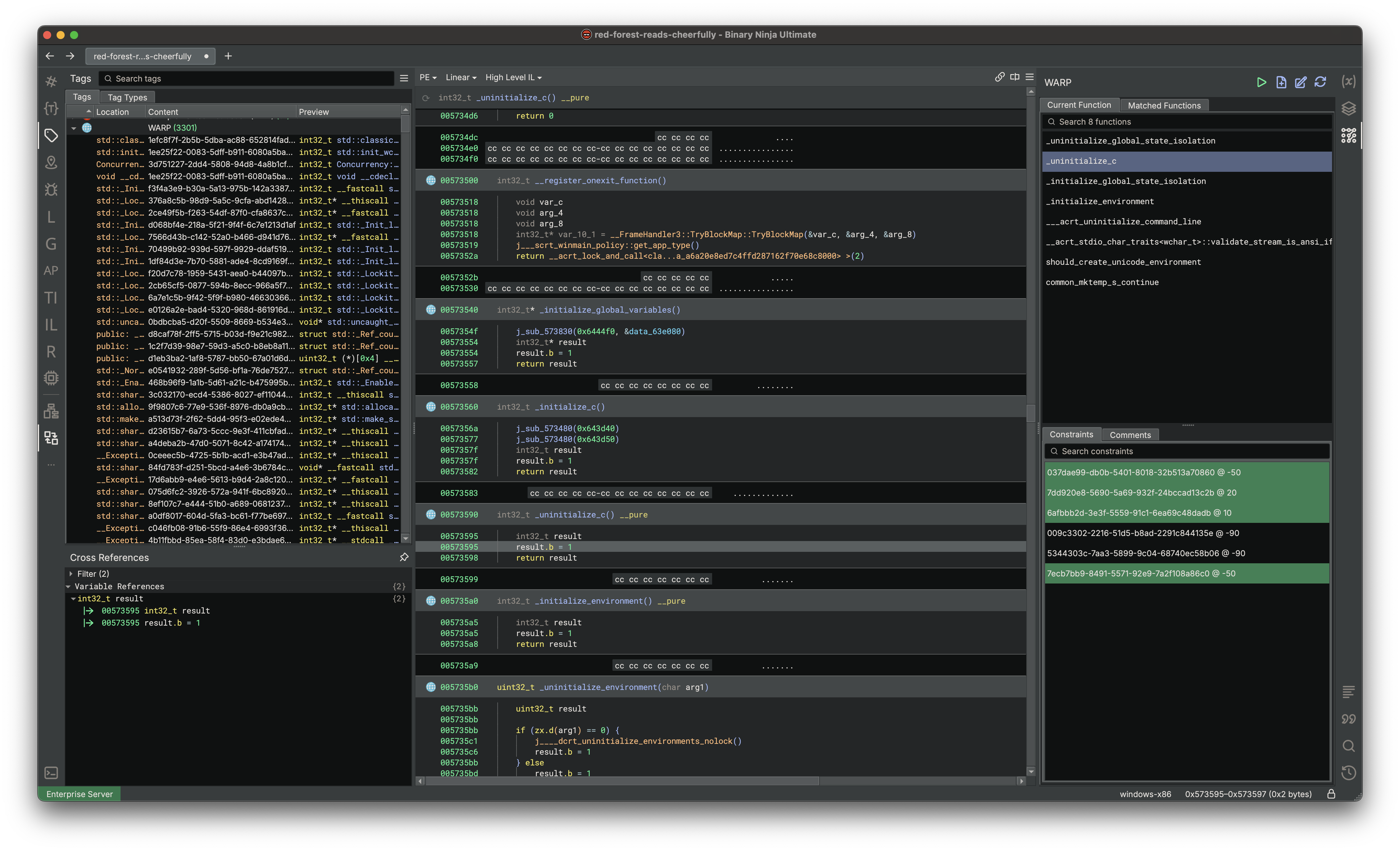
You should never have to rely on heuristics or raw analysis if you have exact type information you can apply. Prior to this release, our main mechanisms for importing or applying large amounts of types were:
- Importing type information from headers or another analysis database
- Type Libraries with type information matching specific imported libraries
- Type Archives that collect and synchronize types between multiple analysis databases
- Signature Libraries (generated by Sigkit) that apply types to functions that match a given signature
WARP is the next-generation equivalent of Sigkit and, as of 5.1, is available and enabled by default. You can still use Signature Libraries for at least one more stable release, but we will be deprecating Sigkit in the near future. All official signature libraries will be shipped via WARP going forward.
Why replace Sigkit with WARP? First, let’s start with the design goals:
- Better performance on both generation and matching
- Significantly improved ease-of-use for generating new libraries
- Support both type information and symbols (Sigkit only matched symbols, relying on other type libraries to then bring over type information)
- Support for network lookups and submissions (similar to Lumina)
- Cross-tool-compatibility: One of our goals with WARP is to enable better cross-platform sharing of type information between other major tools. Keep an eye out on future releases as we plan to include plugins for Ghidra, IDA, Angr, and Radare that can all consume and create the same WARP signature libraries
For our 5.1 release, we’re starting with an open-source plugin that is enabled by default as well as signatures for some common Windows libraries like msvcrt. In future releases, we will be releasing additional signatures and moving forward with plans to address our other design goals.
If you’d like to see some other use-cases for WARP (such as matching the Go runtime and matching it from start to finish) check out its showcase in our feature release live-stream video, or keep an eye out here for the forthcoming blog post where we’ll show off even more ways you can use it to make your reverse engineering experience better.
Finally, keep an eye out for an upcoming deep-dive here on this blog that will showcase other ways WARP can help you quickly make sense of your binaries.
Pseudo Objective-C
In what has to be one of the most overkill accidental-job-applications of all time, one of the best features in 5.1 actually comes from a third-party contributor who is now first-party! If you’re in the Slack, make sure to welcome Mark to the team. While originally written before he was at Vector 35, he’s of course even more active now that he’s joined us and is helping support our iOS, Objective-C, kernelcache, dyld_shared_cache, and Swift reverse engineering workflows.
This plugin showcases the power of what you can do with Language Representations and is even more useful than the two examples we launched the feature with.
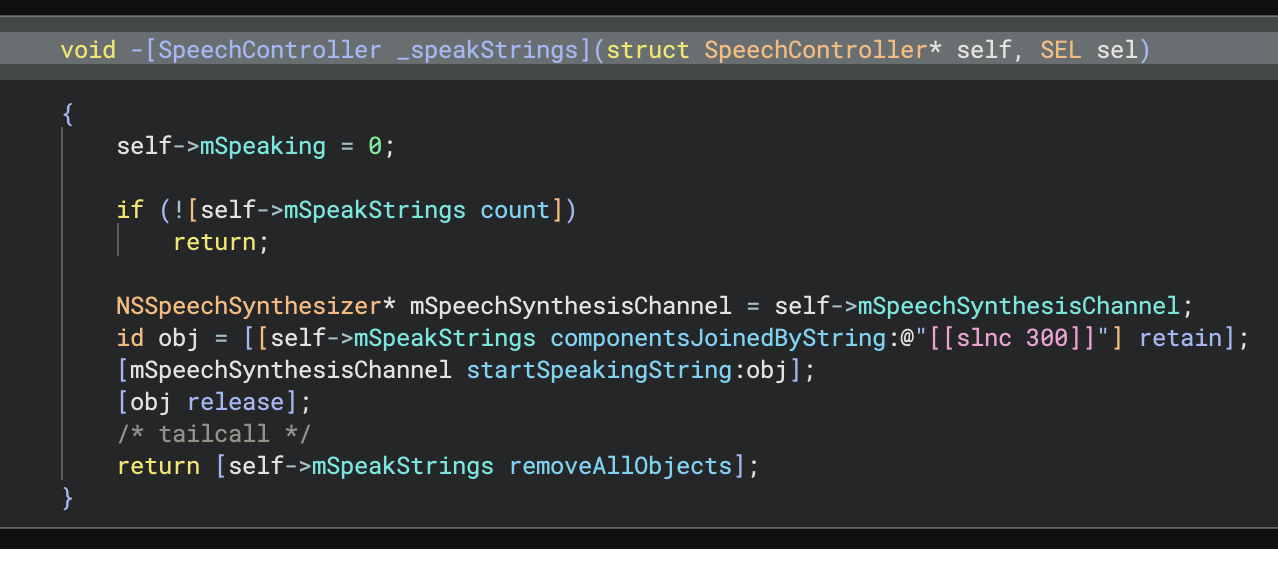
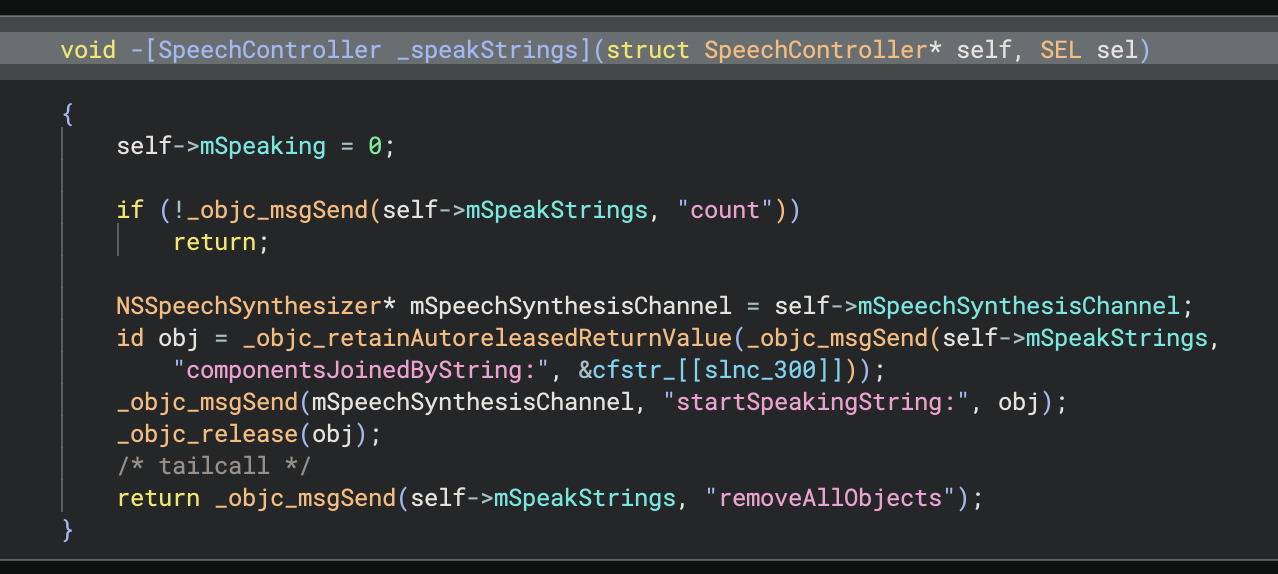
Not only does decompiling back to the original source language help represent language-specific features better, but if your goal is to be able to recompile, this is a step much closer in that direction for Objective-C binaries.
BinExport / BinDiff
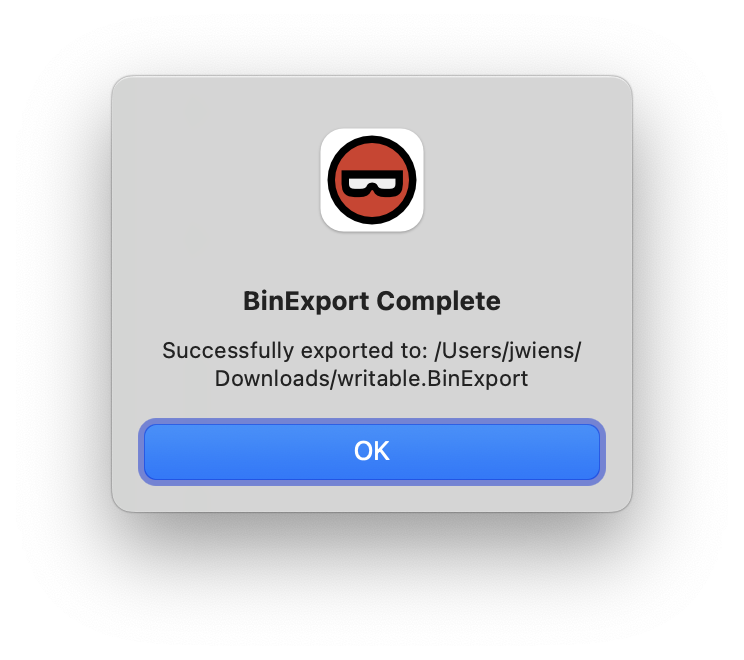
BinExport compatibility is now available in all paid editions of Binary Ninja! The plugin is disabled by default due to being a late addition in the release cycle, so you will need to enable the setting to use it. But, once you do, you’ll be able to export .BinExport files directly from Binary Ninja on macOS, Linux, and Windows without having to build the third-party plugin yourself. The goal here is to enable better support for tools like BinDiff and a better out-of-the-box experience. For more information, see the user documentation, or check out our fork (which will likely be upstreamed before the next release).
Analysis / Decompilation Improvements
In addition to making Binary Ninja’s decompilation more readable and true to the original source, 5.1 also includes new ways to customize how it is structured. From giving you granular control over how control flow is structured to intelligently wrapping long strings and rendering concise ternary expressions, these improvements focus on making decompiled code easier to understand and work with.
Customizable Control Flow
The control flow structuring system now allows you to influence how decompilation is represented. Want to invert a conditional? Want to prevent a switch from being displayed that way? Now you can! Here’s an example showing how you can right-click on a switch statement to disable switch recovery:

To change between these two results:
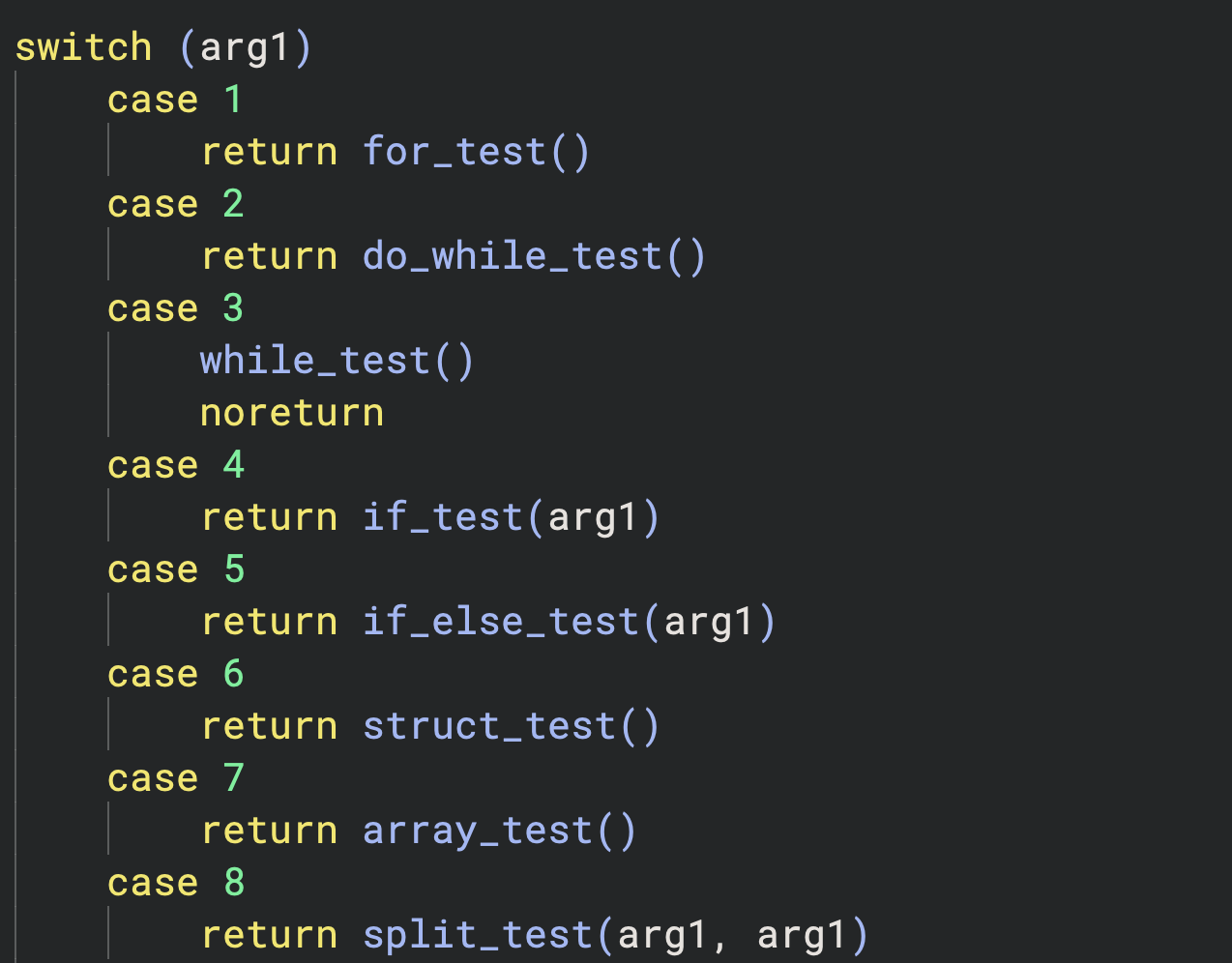
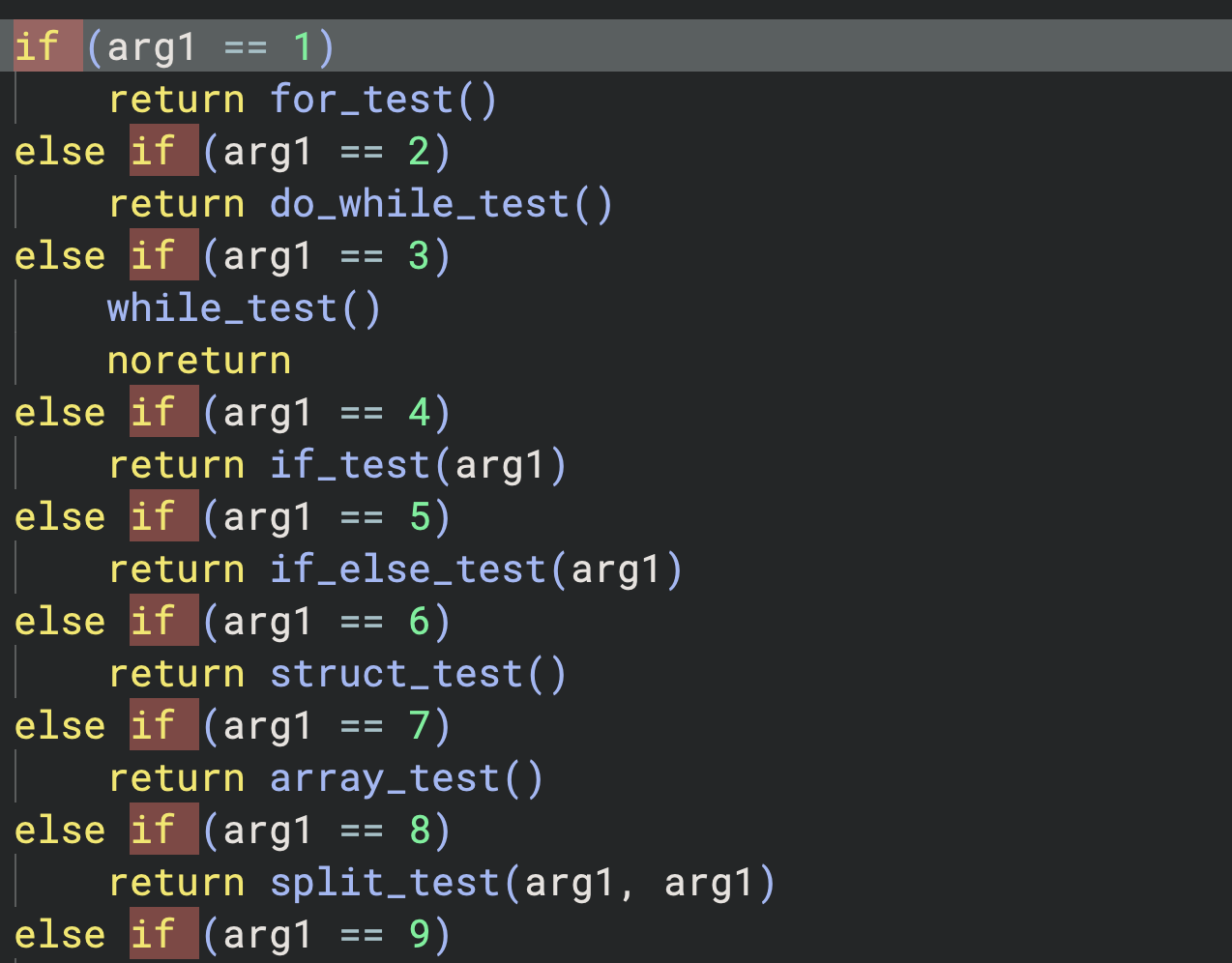
String Wrapping
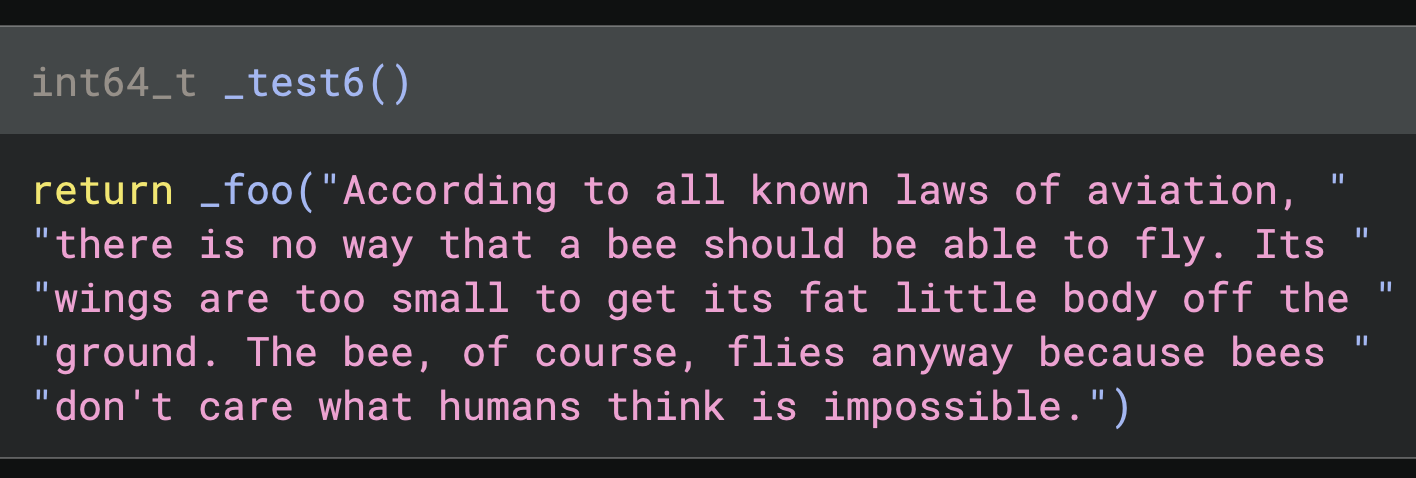
While 5.0 added line wrapping to HLIL output, large strings were still not wrapped and the default string length could sometimes harm readability. Now, in 5.1, strings will be intelligently wrapped to fit the available space. If you would prefer to set a custom width instead, you can can use the rendering.strings.wrappingWidth setting.
Ternary Operator
To help make our decompilation as succinct as possible, we’ve added support for ternary operators. Now, simple if-statements with assignments will be rendered in a shorter C-style format:

By default, only relatively simple expressions will be rendered this way. If you would prefer more complex expressions to be styled this way, or want to disable it altogether, you can change the value of the setting rendering.format.maxTernarySimplificationTokens.
This change is only implemented at the rendering layer, so no changes to your HLIL automation scripts are required.
Guided Analysis Mode
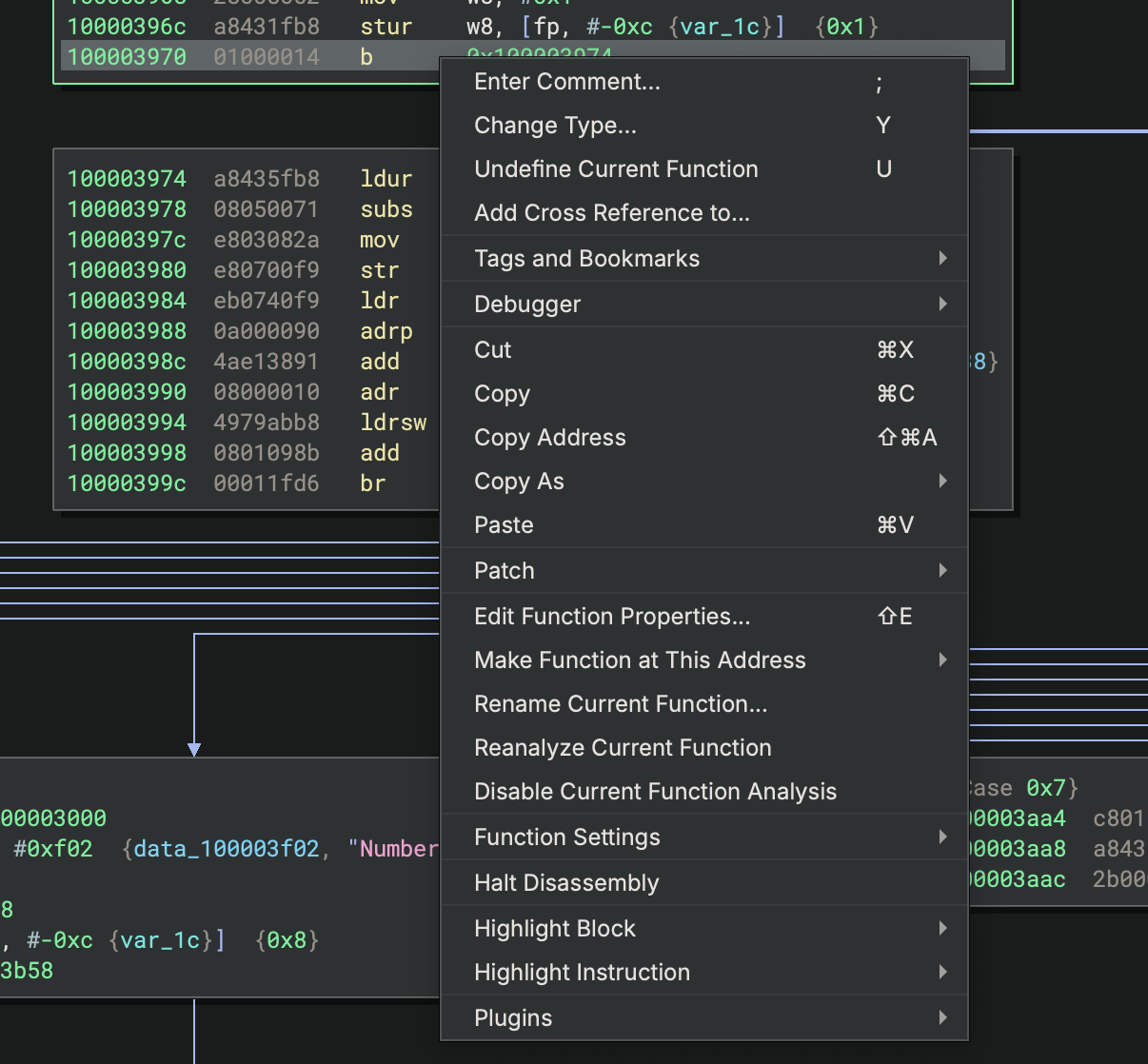
The new Guided Analysis mode gives you granular control over which code blocks are analyzed. By default, this mode will be automatically entered when invalid instructions are encountered within a function. Right-clicking on blocks in the Disassembly view now has menu options for iteratively continuing or halting analysis of branch targets. This is particularly powerful for navigating control flow obfuscation, bypassing anti-analysis techniques, and efficiently analyzing large binaries by concentrating on the code that matters most.
If you would like to toggle guided analysis for functions more quickly, see the section below on Quick Settings, which can be used with analysis.guided.enable.
String Clamping
If you have been looking at a lot of Golang, or any other platform that doesn’t use null-terminated strings, Binary Ninja 5.1 will now respect the size of the string.
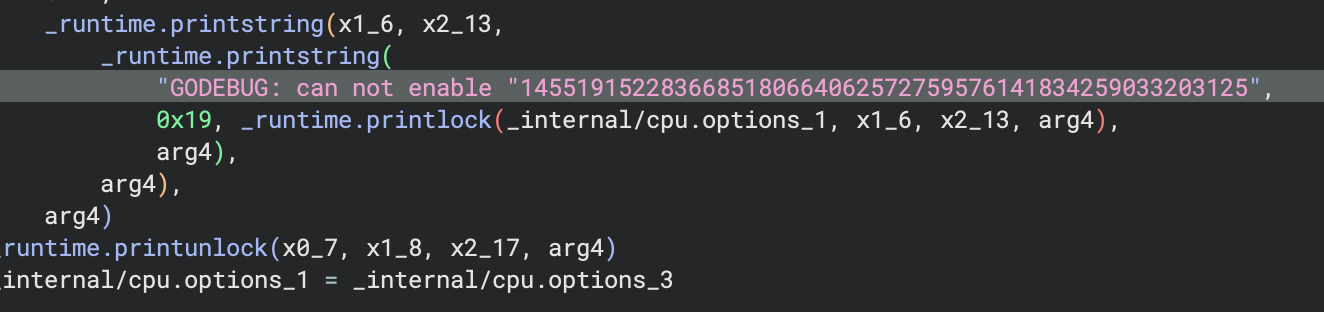
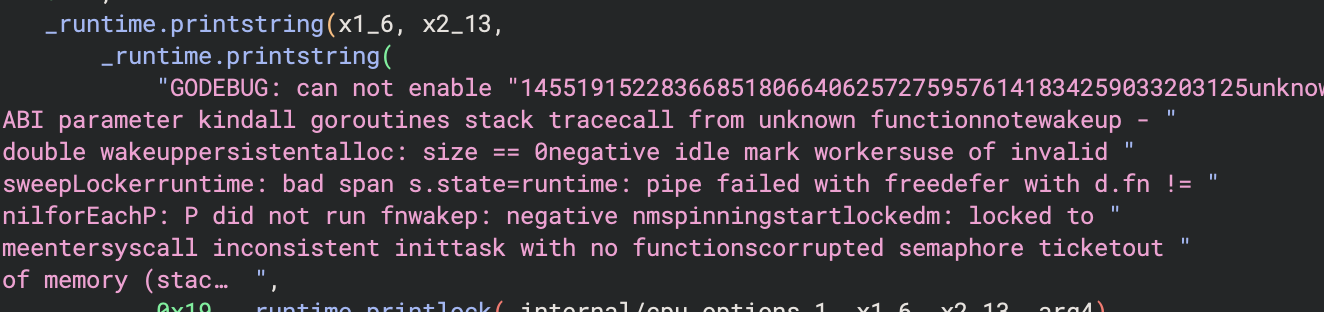
Keep an eye out on issue 1334 for when we implement custom string representation types, which will be even more helpful for these types of situations!
IL Rewriting
Binary Ninja 5.1 improves support for writing custom IL transformations, letting you modify analysis in more powerful ways. We’re adding new APIs for modifying Medium Level IL in Python, and we have new examples, and better documentation to help you write bigger and better plugins.
To demonstrate the power of this new API, we’ve written an example script that deobfuscates Control-Flow Flattening in a couple simple cases. We’ve noticed how many of you are tackling this problem as well, so we hope this example assists you in your plugin writing. As a demonstration, here’s the before-and-after from running this plugin on a case it can handle:
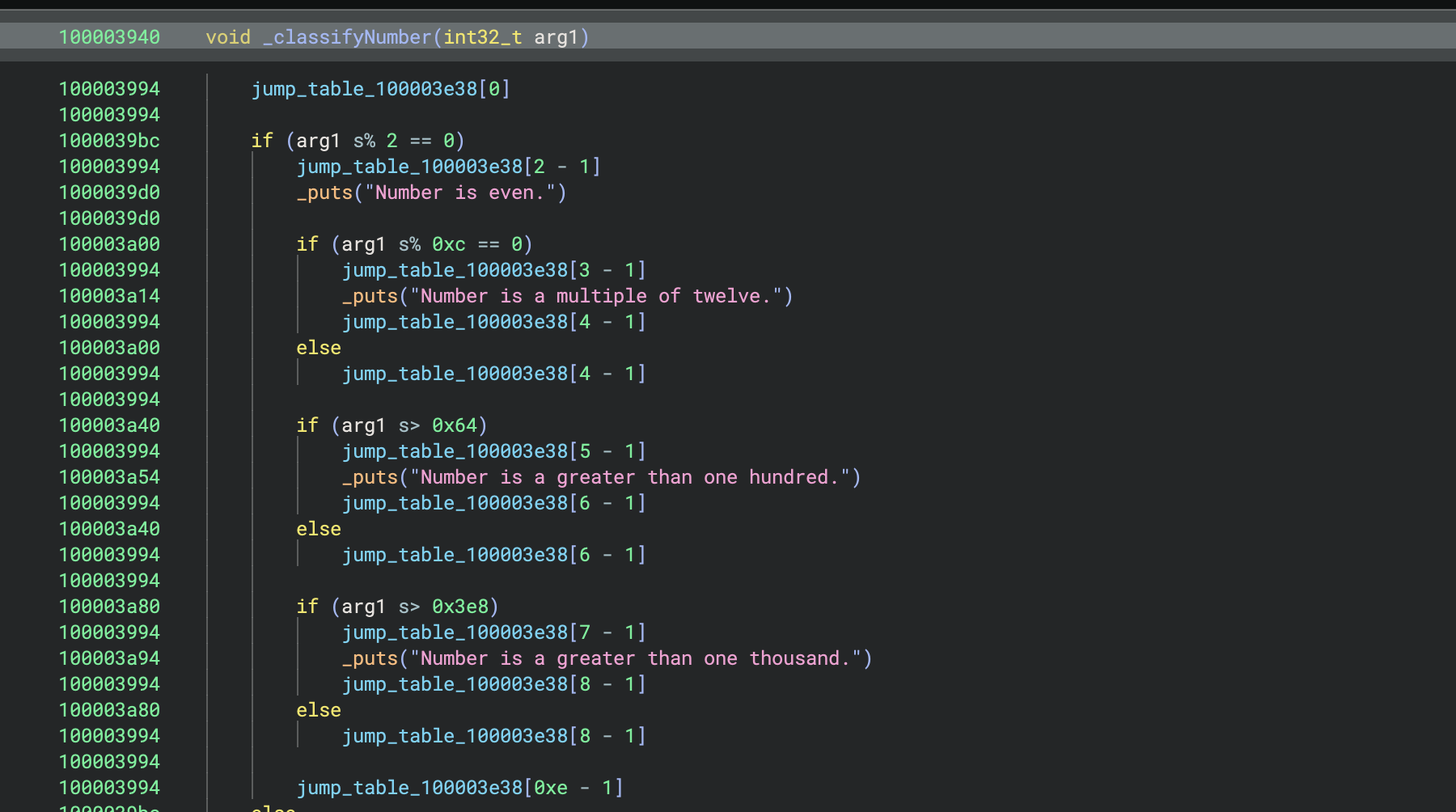
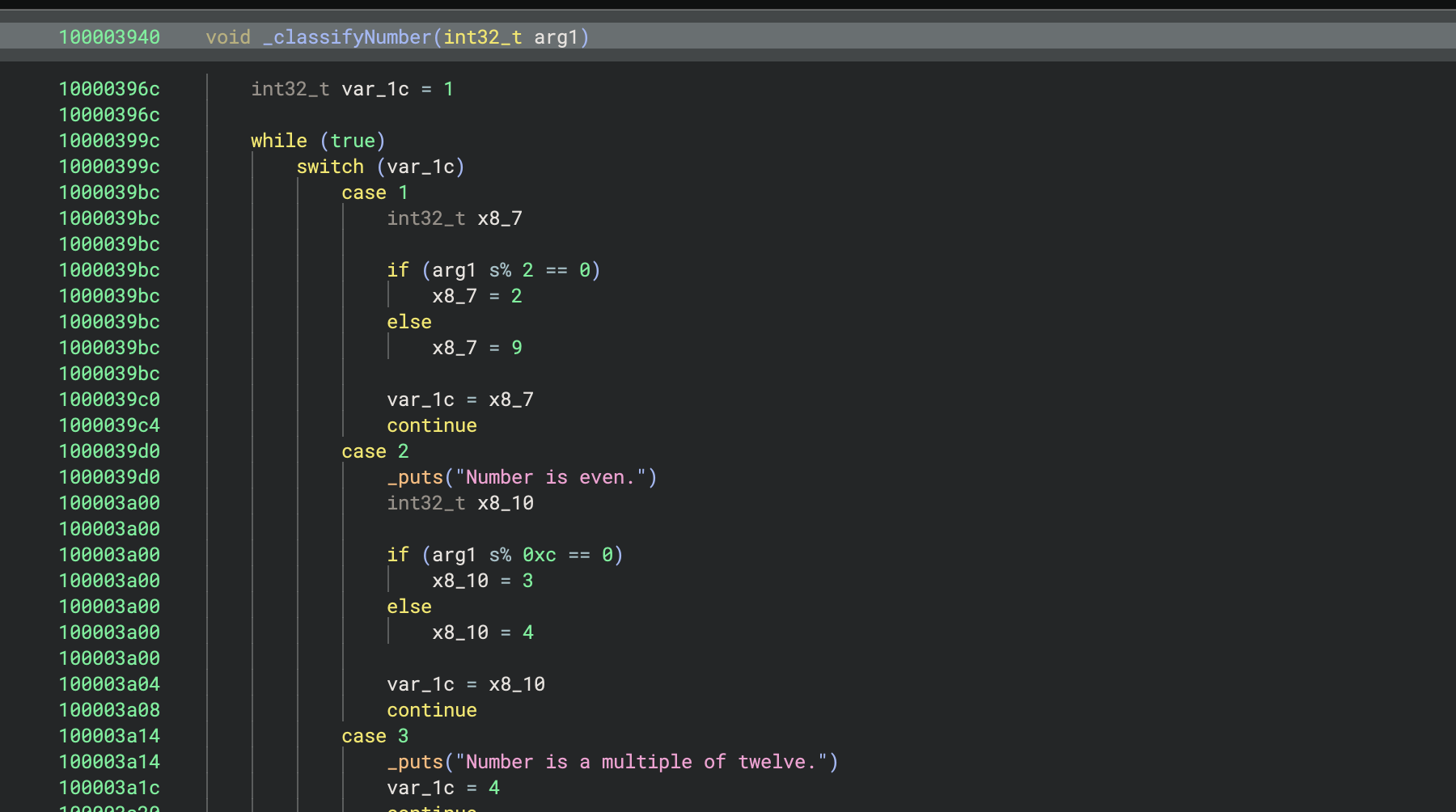
If you want to see more, you can check out our feature stream where we demonstrated using it live. We look forward to seeing what new plugins you will create to take advantage of these new abilities!
Architecture / Platforms
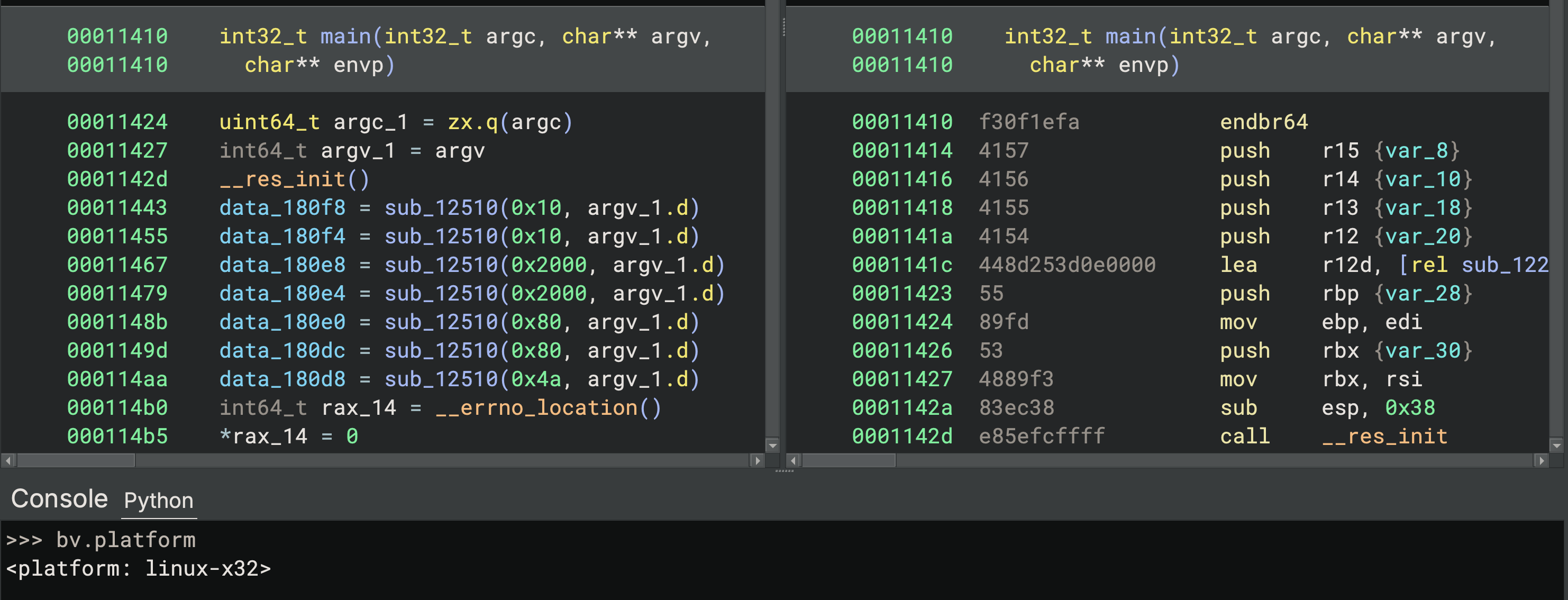
x86-64 x32 ABI
We’ve added support for the Linux x86-64 x32 ABI. To enable this, we’ve made it so that custom platforms can now override the default pointer width of their underlying Architecture. This allows us (and you in third-party plugins) to support similar situations such as AArch64 ILP32.
Custom Basic Block Analysis
Architecture plugins can now perform their own function-level basic block analysis. This gives architecture authors full control over how a function’s basic blocks are recovered. This could include deriving context from previous instructions or from metadata elsewhere in the binary. As an example, this is required to represent zero-overhead / hardware loops in DSP architectures.
This is just the first step on the way to support for a wide range of new architectures. We have one more feature planned similar to this (function level lifting) that will unlock the ability for anyone to lift architectures such as Hexagon, TMS-320 C6xx, Blackfin, PIC, and even VM bytecode such as WASM, PYK, JVM, or MSFT CIL.
MIPS R5900
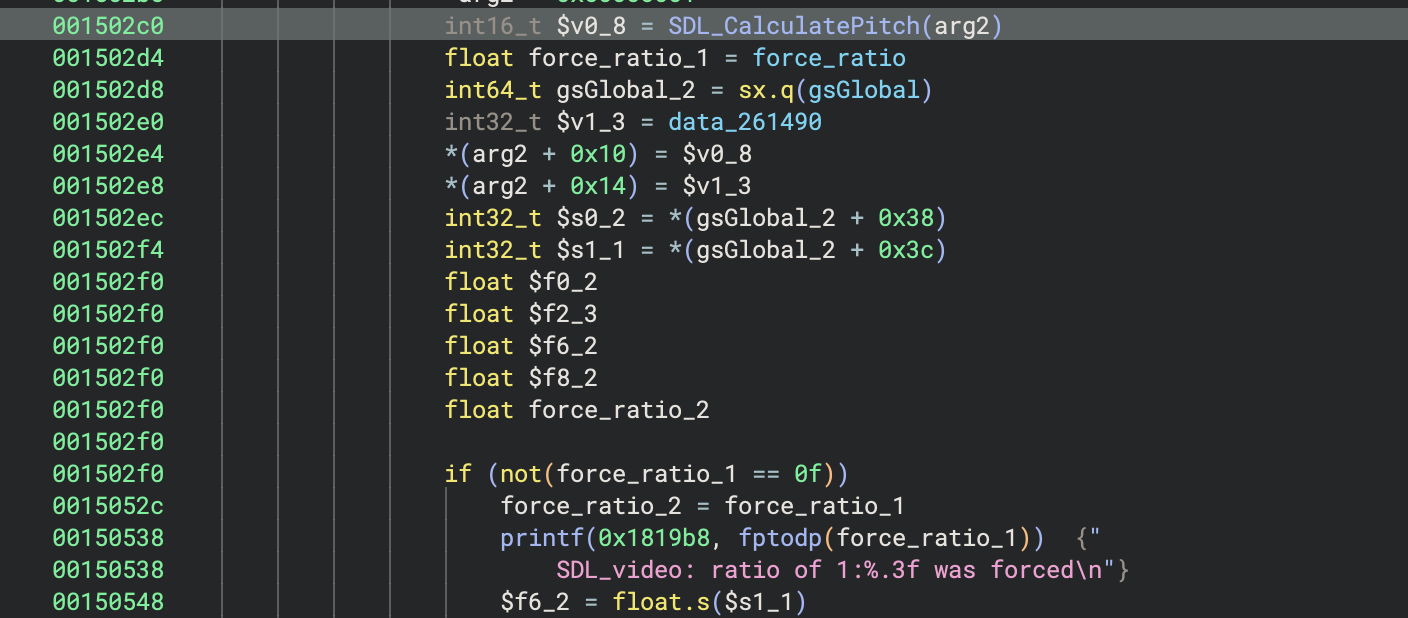
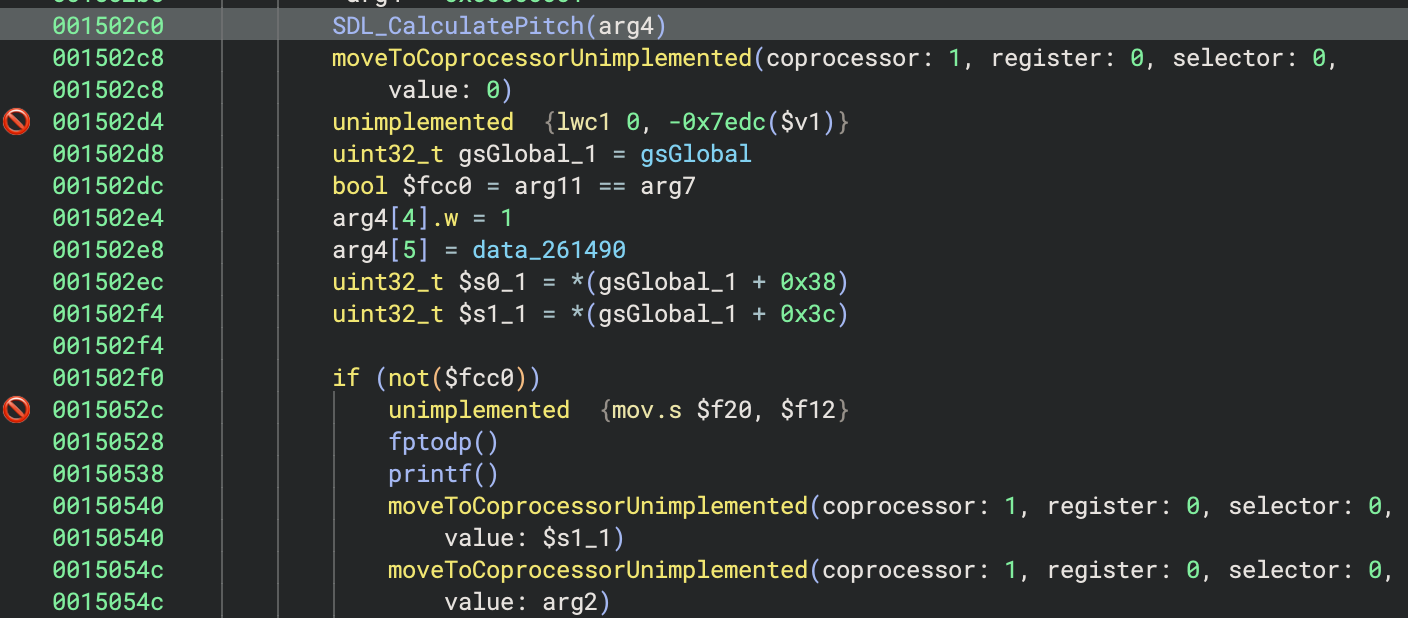
We have now officially integrated support from a side-project for the MIPS R5900, which was commonly used in the PS2’s Emotion Engine. This extension to our existing architecture is available on all paid editions of the product (as well as Cloud) and is open source.
PPC-VLE
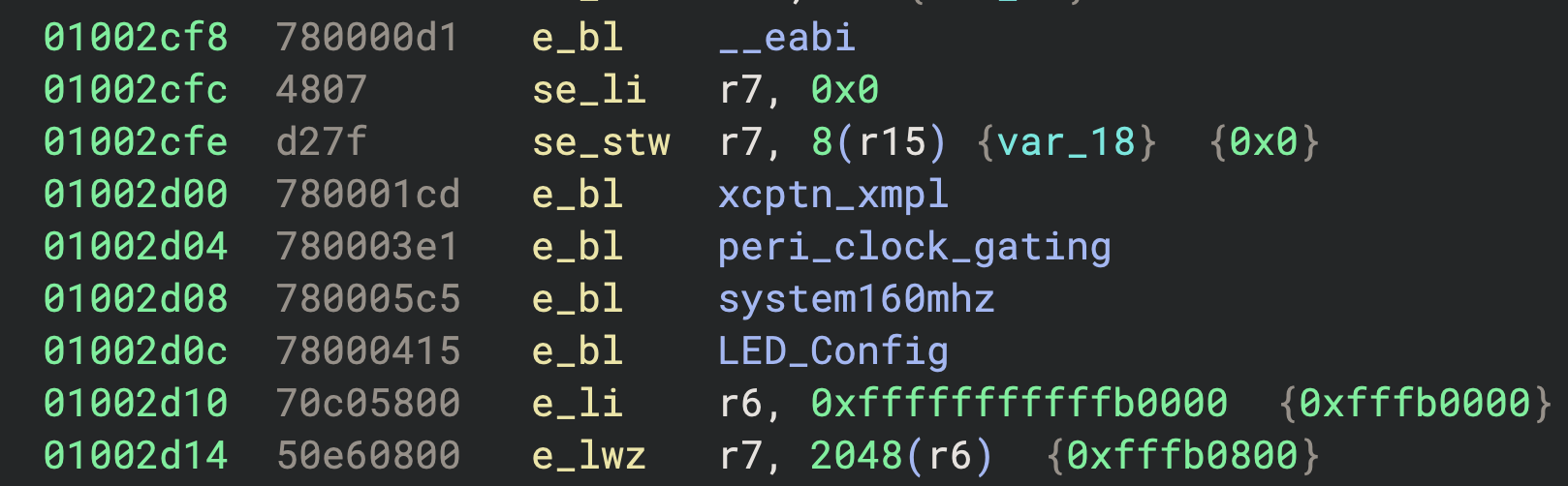
This improvement is actually two updates in one! First, we’ve replaced our previous Capstone-based open-source PowerPC plugin with a ground-up rewrite that now includes support for PPC-VLE. As this architecture replaces our previous PPC plugin, it is available in all paid editions (and Cloud!) and is open source.
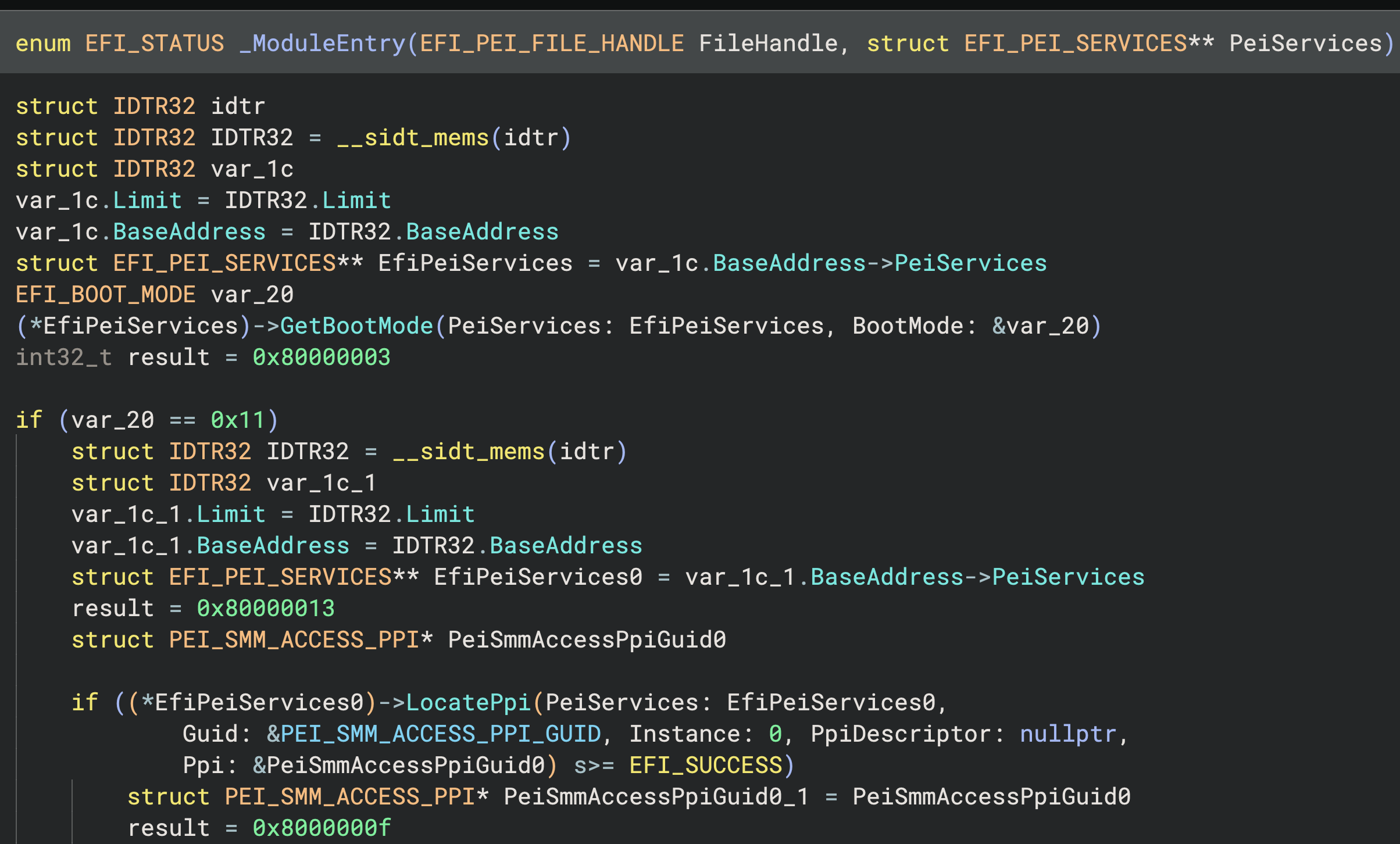
Native EFI Resolver Workflow
We’ve now officially integrated our UEFI plugin that we’ve previously shown off. Now, the feature no longer needs to be enabled manually. This, in addition to our built-in TE view support, means you can literally drag-and-drop to get fantastic UEFI decompilation with no plugins or manual effort required.
UI Improvements
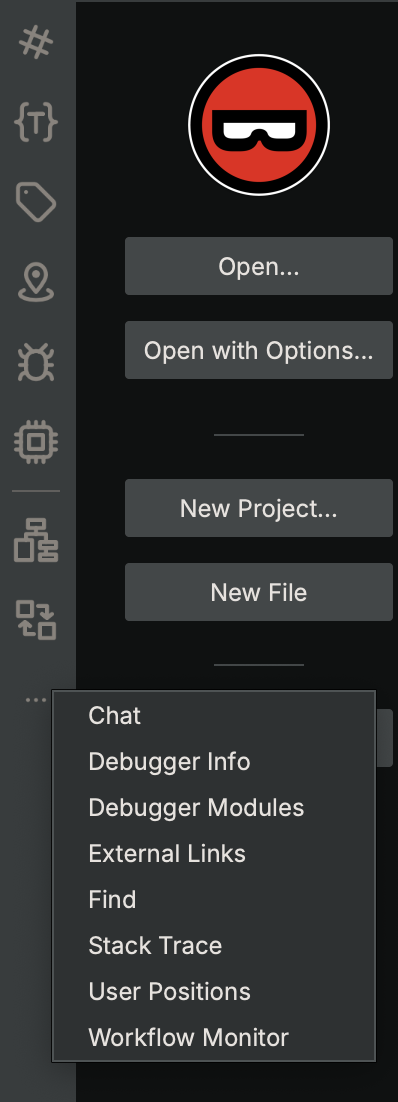
With so many features and plugins being added to the sidebar (Sidekick, Firmware Ninja, Debugger, Collaboration, and not to mention third-party plugins!), we realized we needed the ability to hide certain sidebars. Now, you can control which sidebars are shown using the right-click menu. Some sidebars will also elect to hide themselves by default, for example, the Debugger Modules sidebar will hide when not debugging.
To see the hidden sidebars, just click the … ellipsis icon with the “More” hover text.
Quick Settings
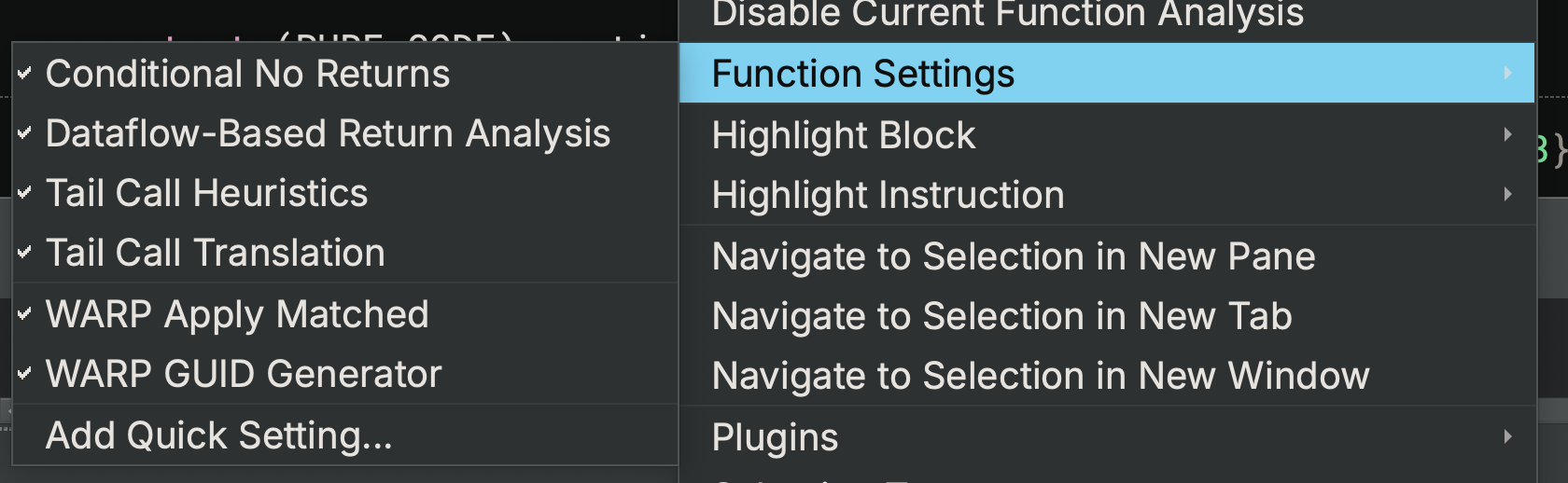
Quick Settings lets you add commonly-used settings to the right-click menu in analysis views. They will appear in the “Function Settings” submenu, where you can toggle them for individual functions without interrupting your work. You can add settings to Quick Settings by going to the regular Settings menu and right-clicking the ones you want to add. For more information on the quick Settings UI (and other new settings features not mentioned here), see the user documentation.
Open Source Contributions
Special thanks to the following open source contributors who submitted PRs during this last release period!
Note: Previously, we included only contributions that landed in the shipping build. For this release and going forward, we’ll be highlighting all submissions.
- bdash (Note that as mentioned above, Mark is now a Vector 35 employee, however, we still want to highlight his contributions prior to his employment!)
- cryptwhoa
- d0now
- droe
- ekilmer
- ex0dus-0x
- jonathanzetier
- justanotheranonymoususer
- mkrasnitski
- mostobriv
- nshp
- Redict
- river-li
- saruman9
- SlidyBat
- SmoothHacker
- utkonos
- WeiN76LQh
- yrp604
We appreciate your contributions!
Analysis
- Feature: Added ability for segments to have names
- Feature: Added constant-folding for double-precision multiplication operations
- Feature: Added support for calculating possible value sets for zero-extension operations
- Feature: Added user control over expression folding during HLIL optimization
- Improvement: OutlineResolver support for non-integer scalar types
- Improvement: Performance optimization by removing expensive m_reader/m_builder members from AnalysisContext
- Improvement: Updated idb_import to use idb-rs version 0.1.10. This includes support for the
IDBfile format changes in IDA 9.1. - Fix: Boolean variables not having proper possible value set {0, 1}
- Fix: caller_sites regression for non-atomic LLIL call lifting
- Fix: Crash in default analyze basic blocks on Windows
- Fix: Crash in pointer sweep when opening binaries
- Fix: DWARF export crash on PowerPC architectures
- Fix: Extreme memory usage during analysis consuming 100+GB page file
- Fix: Incomplete string outlining on Thumb2 binaries
- Fix: Incomplete string outlining with interleaved stores
- Fix: Incorrect code cross-references in LLIL
- Fix: Mismatched operand widths in HLIL logical operations causing analysis errors
- Fix: Potential TagReference object double free
- Fix: Pseudo-C dropping useful casting information in expression display
- Fix: Segmentation fault crash when processing specific files
- Fix: Stack string recovery truncation via __builtin_wcsncpy
- Fix: Struct assignment at offset +0 disappearing LHS identifier in Pseudo-C
- Fix: Superfluous data variables at function starts interfering with analysis
- Fix: Syscall name retrieval and display in Pseudo-C
- Fix: Union field resolution displaying wrong member in structure analysis
- Fix: Unsigned range addition overflow handling in value set analysis
- Fix: VFT analysis creating bad Thumb2 functions at odd addresses
- Fix: IL optimization for simplifying comparison conditionals when comparing equality with constants
- Fix: Prevented creation of void data vars at referenced function addresses
UI
- Feature: Added “Analyze Selected” context menu for folders in the project browser
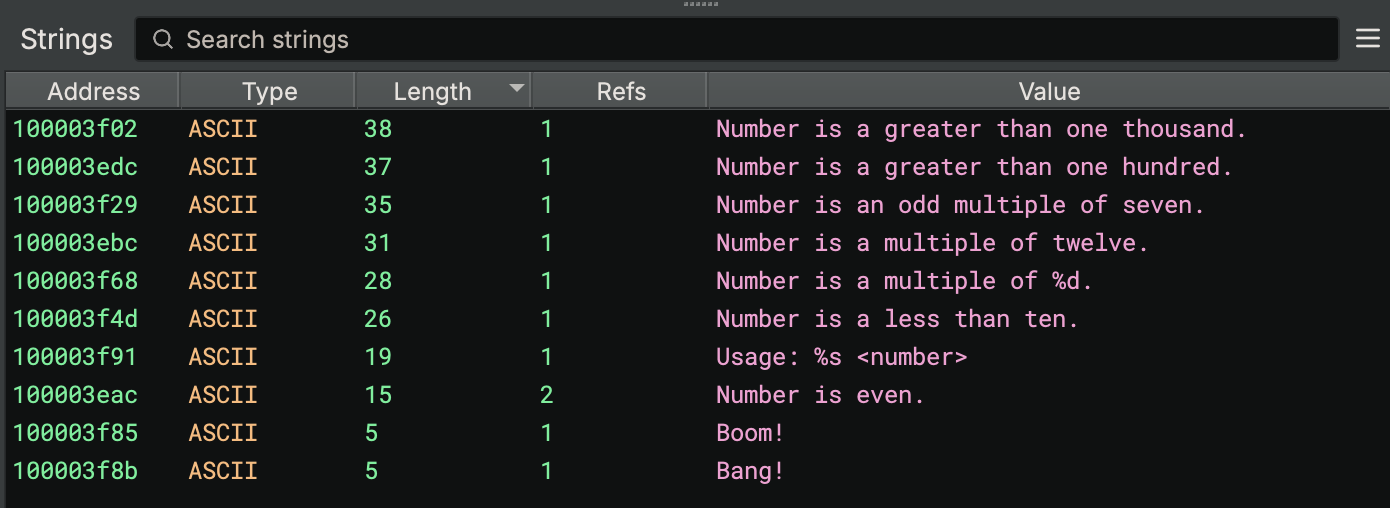
- Feature: Added length column to strings view for better sorting
- Feature: Added ability to display exact file sizes in project hierarchy
- Feature: Added ability to remove individual files from recents list
- Feature: Added “Clear Recently Opened” context menu option in the recents list
- Feature: Support for wide strings (UTF-16) in big endian
- Feature: String sorting by length and reference count
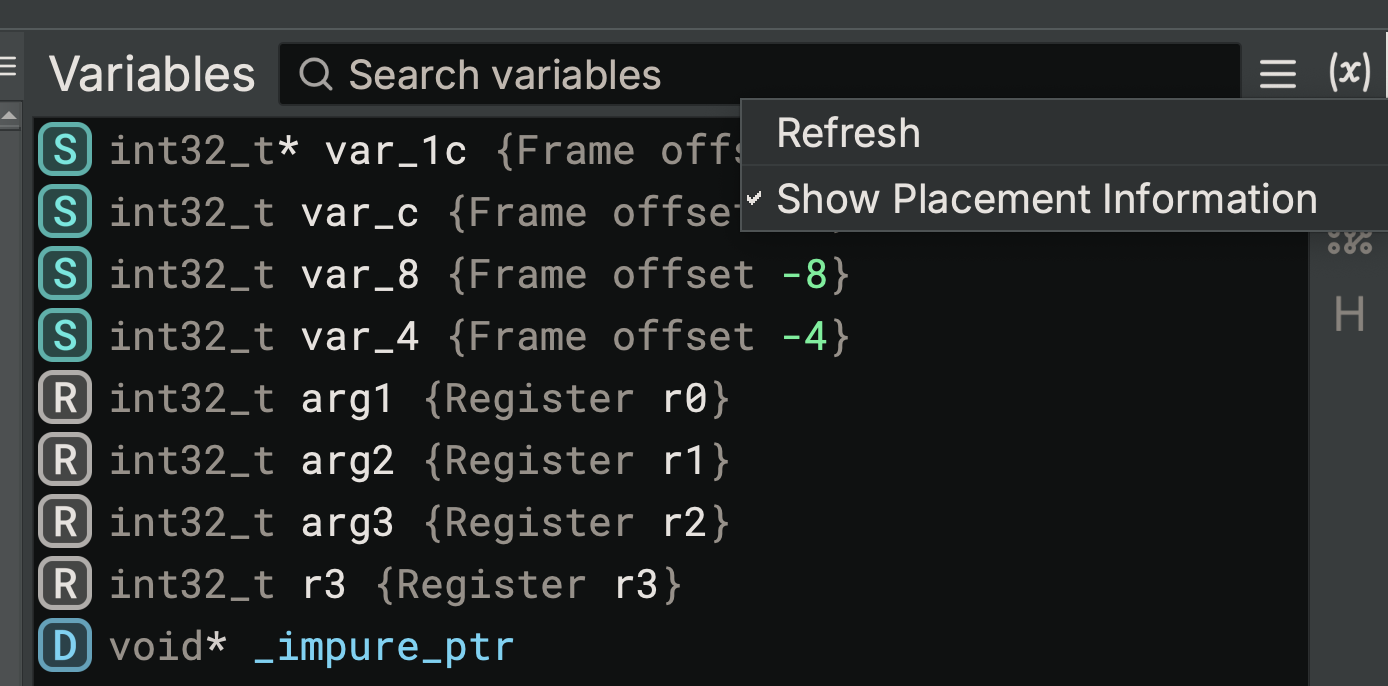
- Feature: Variable placement information display in variables view
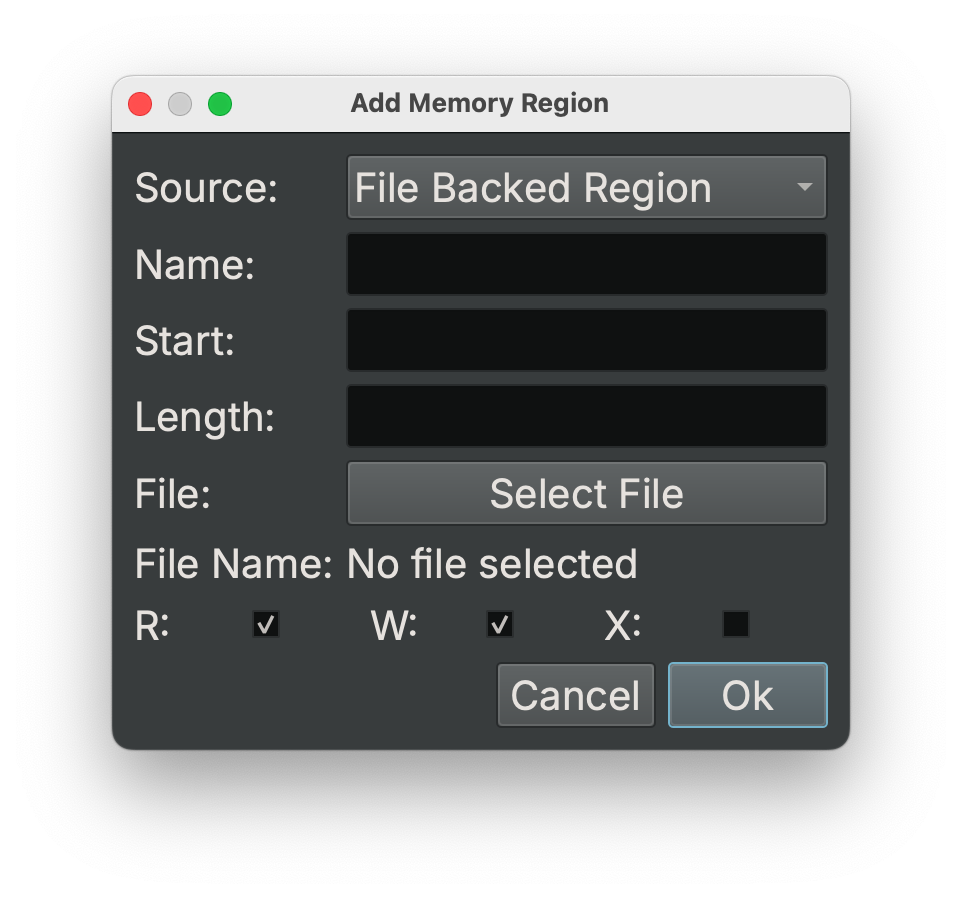
- Feature: Enhanced memory map segment creation usability
- Improvement: Major performance improvements to the Cross References Widget
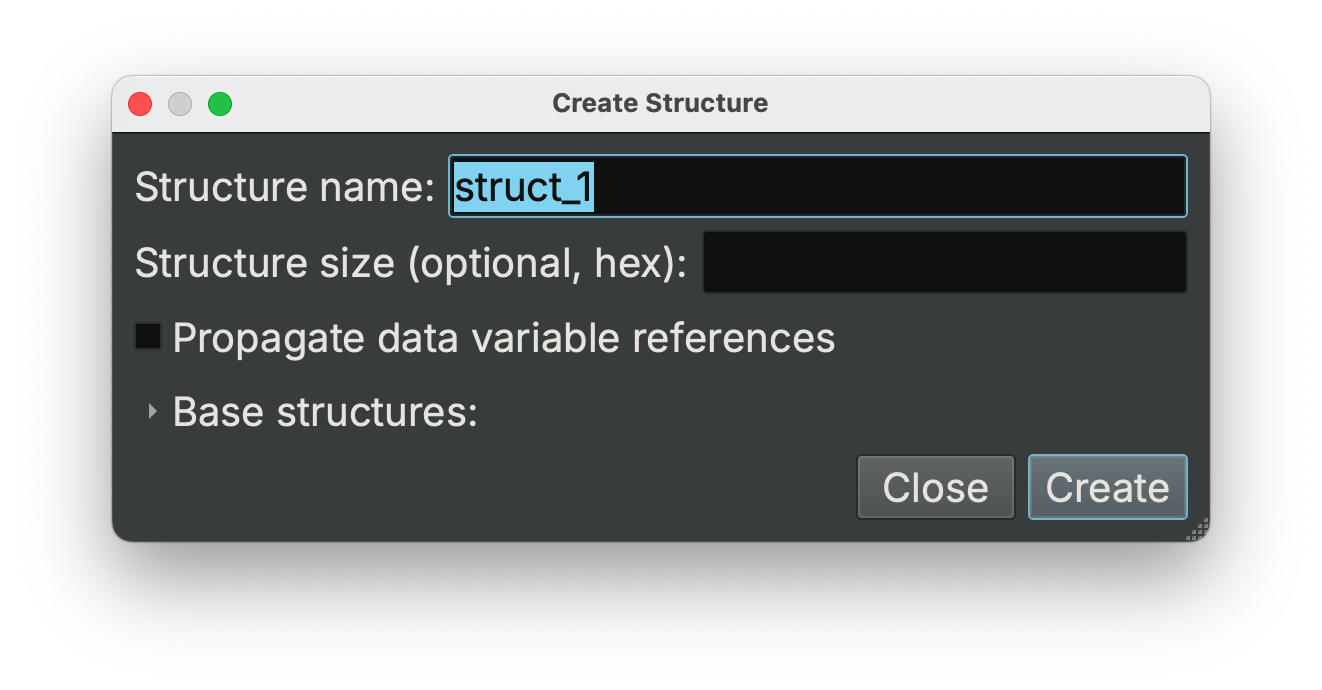
- Improvement: Base Structure section of the Create Structure dialog UI improvements
- Improvement: Import Header File dialog now supports multiple file selection
- Improvement: view-scoped plugin commands are now hidden in the context menu
- Improvement: “Path on disk” label in triage summary more clear
- Fix: “report an issue” menu works after the changes using templates on the new issue page
- Fix: Regression preventing rebasing newly-created files
- Fix: Application won’t start on macOS 15.5
- Fix: Command palette becomes null after hitting shortcut 3 times
- Fix: Data xrefs behave strangely on thumb2
- Fix: Edit function dialog display bug with malformed prototypes
- Fix: FeatureMap blocking UI while not visible
- Fix: Force analysis anchor unclickable in linear view
- Fix: Form file fields not utilizing project file picker
- Fix: High CPU usage with new file open in linear view
- Fix: IHEX/TITXT/SREC files not project-aware on load/save
- Fix: Memory leaks when opening EditFunctionDialog
- Fix: Native dialog boxes un-interactable on macOS 16
- Fix: Project info title copying zero-width characters
- Fix: Python console history changes not saved when navigating
- Fix: Rebase causing application pause with multiple BinaryViews
- Fix: Reopen Current File fails with remote files on Windows
- Fix: Stack offset render layer interfering with inline text editing
- Fix: Stack size inconsistent on Windows compared to other platforms
- Fix: Stack view causing UI lockup during analysis
- Fix: Strings view sorting in reverse order
- Fix: Tab close button highlight broken with many tabs
- Fix: Triage view not showing correct filename in projects
- Fix: Unable to set unsigned range end > 0x7fffffffffffffff
- Fix: Unable to write to newly-created mapped views
- Fix: Uncaught exception in Strings view Refs column
- Fix: Undo action creation crashes during view initialization
- Fix: Variables view auto-scroll to selected variable
- Fix: Variables view log spam when opened
- Fix: Application icon appearance issues on macOS 16
- Fix: Base Structure dialog checkbox formatting issues
- Fix: Command palette crash when closing pane
- Fix: Command palette focus stealing when clicking elsewhere
- Fix: Crash when attempting to close file multiple times
- Fix: Cross references double-click navigation to wrong location in HLIL
- Fix: Compile C Source dialog showing unnecessary “Add Memory Region” dialog for empty files
Debugger
- Feature: Support registers and variables wider than 64bits
- Feature: Support loading Linux/macOS coredump
- Feature: Support forked process in LLDB adapter
- Feature: Support running extra commands during launch in LLDB adapter
- Improvement: Add a toggle breakpoint button into the control buttons widget
- Improvement: Add “Override IP” action to context menu
- Improvement: Printable strings in the register itself are displayed in reverse order, with a single-quote
- Fix: Major overhaul of memory cache handling and various related fixes: [1], [2], [3]
- Fix: DbgEng adapter cannot get the list of loaded modules
- Fix: Various crashes and hangs — [1], [2], [3], [4], [5], [6], [7], [8], [9], [10]
Architectures and Platforms
- Feature: IL for Thumb2 coprocessor instructions
- Feature: PowerPC paired-single instructions
- Improvement: ARM64 now prefers
fp,lrnames forx29,x30registers - Improvement: Fixed ARM64 disassembler compilation issues with MSVC
- Improvement: Fixed MSVC compilation error in arm64 disassembler
- Improvement: Improved Windows build for ARM64 register naming changes
- Improvement: Updated architecture plugin locations after moving back to binaryninja-api
- Improvement: Updated ARM64 decode scratchpad for better MSVC compatibility
- Fix: 6502 plugin crashes on Windows when opening .nes files
- Fix: Golang symbol parsing regression breaking symbol resolution after update
- Fix: Hard crash when saving minidump loaded in Mapped view on macOS ARM64
- Fix: TriCore cmp.f instruction operand corruption in multi-operation sequence
- Fix: Wrong disassembly and LLIL for TriCore
caddinstruction - Fix: 64-bit writes failing to split correctly across inherited struct boundaries on x86_64 and AArch64
- Fix: Crash on
R_MIPS_HI16relocations caused by bad cast - Fix: Empty intrinsics dictionary breaking MLIL introspection for Windows x86_64 SSE intrinsics
- Fix: Thumb2
MSR/MRSsystem registers using enums to avoid invalid data flow inference - Fix: TriCore
div.uinstruction operand corruption due to missing temporary storage - Fix: TriCore
mov.ainstruction incorrectly sign-extending const4 field instead of zero-extending - Fix: TriCore insert instruction generating incorrect LLIL mask calculation
- Fix: x86_64
sysretinstruction now properly marked as function terminator
DYLD Shared Cache and Kernel Cache are getting some quality-of-life updates:
- Feature: Added support for Objective-C constant sections including arrays, dictionaries, and integers
- Feature: Explicit references from Objective-C selectors to method implementations for easier analysis
- Improvement: Better Objective-C method argument naming by removing common prefixes
- Improvement: Enhanced display of
supercalls in Pseudo Objective-C - Improvement: Automatically add a section for section-less segments in SharedCache
- Improvement: Search placeholder text for DSCView and KCView UI elements
- Improvement: Updated kernel/shared cache support matrix documentation
- Fix: Functions incorrectly created in data-only sections with read/write semantics
- Fix: “Analyzing function” spinner persisting after analysis completion
- Fix: Activity viewType “in” predicate matching everything
- Fix: Undefined BNFreeString reference in kernel cache API
- Fix: Massive log spew with undo operations when opening Objective-C binaries
- Fix: Warning spew on SharedCache initial open from premature section creation
- Fix: Missing placeholder search text in DSCView and KCView tabs
- Fix: Missing arguments in
objc_msgSendstubs due to ignored call type overrides - Fix: Duplicate type names like
id_1/SEL_1instead of[id/SEL]in Objective-C runtime - Fix: “Resolve Dynamic Dispatch Calls” throwing exceptions for Objective-C binaries
- Fix: TypeLibrary import failures when opening macOS shared caches
- Fix: Category class name retrieval when class is external symbol
- Fix: Header field reading outside bounds for iOS 10 and older caches
Views
- Feature: Support for DWARF symbols in PE executables produced by mingw
- Feature: Added parsing support for
__init_offsetssection in MachoView binaries - Fix:
.NOTEsections causing duplicate symbols in ELF executables - Fix: DWARF debug info adding local variables at positive storage offsets
- Fix: Improper parsing of
BIND_SPECIAL_DYLIB_SELFin chained fixups on macOS x86_64 - Fix: Export trie error when loading Go binaries on macOS
API
- Feature: Added
CheckBoxFieldfor form inputs in Python API - Feature: Added hierarchical settings inheritance for resource settings
- Feature: Added line formatter API to Rust bindings
- Feature: Added per-function metadata support to store function-specific information
- Feature: Added plugin command registration for project browser
- Feature: Added SSA form support for LLIL in Rust API
- Feature: Rust language representation support for implementing language representations
- Feature: Added ability to construct
SectionBuilderfrom Section in Rust - Feature: Added CoreRegister name to Debug implementation in Rust
- Feature: Added documentation comments for undo actions in Rust API
- Feature: Added
FileAccessorwith read/write functionality in Rust API - Feature: Added
FlowGraphEdgetype and node edge accessors in Rust API - Feature: Added
Function::variable_typemethod in Rust API - Feature: Added
get_files_by_path_in_project()and get_path_in_project() methods in Python - Feature: Added
get_system_cache_directory()function to Python API - Feature: Added
GetPathInProject()to core API for project path resolution - Feature: Added
GetSystemCacheDirectory()function to C++ API - Feature: Added interaction handlers to flow graph API in Rust
- Feature: Implemented interaction APIs for Rust API
- Feature: Added
LLIL_SEPARATE_PARAM_LIST_SSAsupport in Rust API - Feature: Added
LLIL_UNDEFmapping support in Rust API - Feature: Added
LowLevelILInstruction::basic_blockmethod in Rust API - Feature: Added pretty printing for LLIL sub-expressions in Rust
- Feature: Added many Rust API tests
- Feature: Added support for
LLIL_REG_PHI,LLIL_MEM_PHI, andLLIL_FLAG_PHIexpressions in Rust - Improvement: Changed Rust API to return String instead of
BnStringfor lossy UTF-8 conversions - Improvement: Changed section strings to retain core string as
BnStringin Rust - Improvement: Extensive Rust API cleanup including string handling and error improvements
- Improvement: Improved metadata API in Rust bindings
- Improvement: Improved section handling in Rust API
- Improvement: Made
LowLevelILInstructionandLowLevelILExpressionimplement Copy trait in Rust - Improvement: Made
Section::namereturnBnStringto preserve binary section names - Improvement: Made the target field public in
Edgestructure for Rust API - Improvement: Reduced usage of
IntoCStrin function signatures for better type safety - Improvement: Removed
to_stringshortcut fromBnStringfor consistency - Improvement: Removed unneeded mut from
Architecturetrait signatures in Rust - Improvement: Removed unused file from Rust codebase
- Improvement: Renamed
AsCStrtrait toIntoCStrin Rust - Improvement: Rust API cleanup removing Architecture trait bounds on LLIL structures
- Improvement: Simplified
BnStrCompatibletrait for easier usage in Rust - Improvement: Simplified C string usage in Rust API
- Improvement: Simplified enterprise initialization in Rust API
- Improvement: SSA to non-SSA form mapping for instructions/expressions in Rust
- Improvement: Support for retrieving use/def of SSA registers in LLIL
- Improvement: Various clippy lint fixes and documentation additions in Rust API
- Improvement:
instruction_atandinstruction_index_aton MLIL now work without an explicit architecture - Fix:
BinaryViewreporting modified when loaded via database - Fix:
BnString::as_bytes_with_nullnot including null byte in Rust API - Fix:
caller_sitesreliability issue in Python API - Fix:
version_switcher.pyutility - Fix: crash in
BNGetMediumLevelILPossibleSSAVarValues - Fix: crash when writing None to database globals in Python API
- Fix: function tags API reporting address of 0
- Fix:
MediumLevelILVarSsaFieldmissing expr_type property documentation - Fix: message boxes missing title on Mac
- Fix: parse_types_from_string return type to
BasicTypeParserResult - Fix: plugin builds on Windows 11 with clang-cl and C++ > 17
- Fix: PyCharm skeleton generator check to be case-insensitive
- Fix: race condition in
GenerateILIfNotPresentAPI - Fix: type parser inconsistency with struct and demangled type names
- Fix:
Workflow::Clonememory leak in C++ API - Fix: wrong type annotation for
TypeParserResultin Python - Fix: CMake dependencies for binaryninjaui project
- Fix:
LowLevelILBlockto derive Clone properly after Copy trait changes - Fix: panic when encountering unhandled MLIL instructions in Rust
- Fix: Section implementations to properly compare and hash sections in Rust
Documentation
- Feature: Added documentation for using parserDefaultArgs setting to auto-quote
thisparameters in clang type parser - Improvement: Added SCC to first-party open source section in documentation
- Improvement: Updated scripting console documentation to describe toggle functionality
- Improvement: Internal changes to build system so that syntax errors in RST will be more easily identified and fixed going forward
- Fix: Corrected typo in Python API documentation changing “ProjectFile” to “ProjectFolder”
- Fix: Fixed incorrect type annotations in
binaryninja.interaction.ChoiceFielddocumentation - Fix: Resolved multiple RST documentation formatting errors
Other
- Feature: Added extended UTF-16 Unicode block support
- Feature: Added
TEA(Tiny Encryption Algorithm) transformation support - Feature: Support for additional transformations including
SUB,ADD,MUL, andROL - Fix: Background work and memory leaks triggered by clicking in DSC HLIL view
- Fix: Pseudo Python indentation formatting issues
- Fix: TagType object memory leaks when accessing tag type tab
- Fix: Memory leak in the FirmwareNinja
QueryRelationshipsAPI - Fix: Saving raw BNDB loses platform information affecting firmware analysis workflows
- Fix: SVD Loader Feature Map filtering not working for file-backed only mode
Deprecation Notes
- We’ve updated our code base to use C++ 20 features. C++ plugin authors should make sure their plugins support the new language version.
- In future releases, with Apple announcing macOS Tahoe as the last version to support x64, we will reduce our own testing and support for x64 on macOS. We will ship universal binaries for as long as possible, but future releases will not be tested on x64 on macOS.
Even this list isn’t everything! There’s plenty more items not included here, check out our closed milestone on GitHub for more.
如有侵权请联系:admin#unsafe.sh