
Bitwarden发现严重XSS漏洞(CVE-2025-5138),影响2.25.1及以下版本。通过上传恶意PDF触发攻击,可导致账户劫持等风险。CVSS评分为中低危。建议升级至最新版本并加强安全措施。 2025-5-26 08:6:7 Author: gbhackers.com(查看原文) 阅读量:11 收藏
A serious security vulnerability has been identified in Bitwarden, the popular password management platform, affecting versions up to 2.25.1.
The flaw, designated CVE-2025-5138, allows attackers to execute cross-site scripting (XSS) attacks through malicious PDF files uploaded to the platform’s file handling system.
Vulnerability Details and Technical Analysis
The vulnerability stems from insufficient file type restrictions in Bitwarden’s Resources upload feature, specifically within the PDF File Handler component.
- Advertisement -
.png
)
Security researchers discovered that the application fails to properly neutralize user-controllable input before placing it in web page output, creating a pathway for malicious code execution.
The attack vector involves uploading a specially crafted PDF file containing embedded JavaScript code.
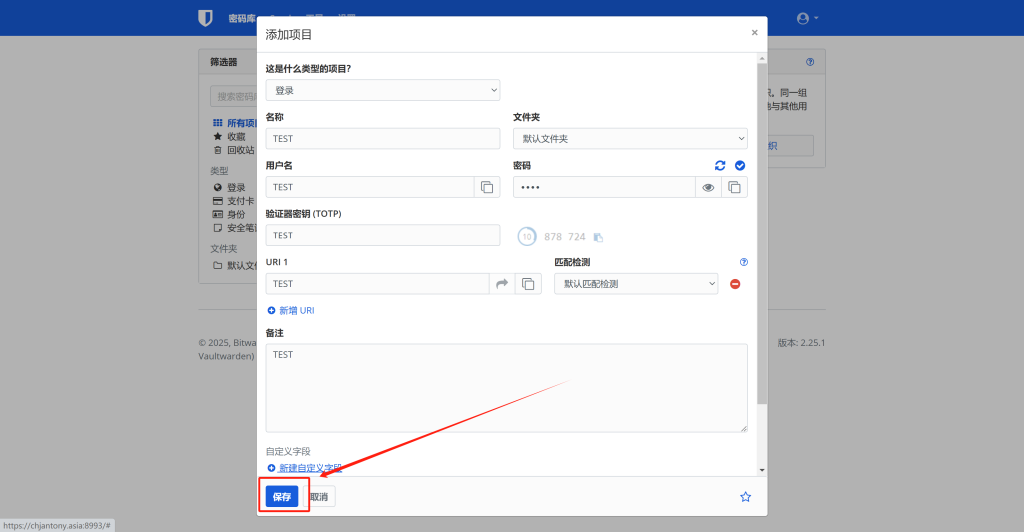
When unsuspecting users access these files through their web browsers, particularly Google Chrome, the malicious code executes within the context of the Bitwarden domain.
This DOM-based XSS vulnerability poses significant risks as it can lead to account hijacking, credential theft, and unauthorized actions performed on behalf of victims.
According to the Common Vulnerability Scoring System (CVSS), the vulnerability has received multiple severity ratings, with scores ranging from 3.5 (LOW) to 5.1 (MEDIUM) depending on the assessment methodology.
The Exploit Prediction Scoring System (EPSS) indicates a 0.03% probability of exploitation within the next 30 days.
Attack Methodology and Proof of Concept
The exploitation process follows a straightforward attack pattern. Attackers first access the Bitwarden web interface and navigate to the project creation section.
After establishing a new project, they utilize the file upload functionality to deploy a malicious PDF containing embedded XSS payloads.
The vulnerability is particularly concerning because it can be exploited remotely without requiring authentication for certain components.
Security researchers have published a detailed proof-of-concept demonstration, making the exploit publicly available and increasing the risk of widespread exploitation.
| Vulnerability Attribute | Details |
|---|---|
| CVE Identifier | CVE-2025-5138 |
| Affected Versions | Bitwarden ≤ 2.25.1 |
| Vulnerability Type | Cross-Site Scripting (XSS) |
| Attack Vector | Network (Remote) |
| Authentication Required | Low Privileges |
| CVSS v3.1 Base Score | 3.5 (LOW) – 5.1 (MEDIUM) |
| CWE Classifications | CWE-79, CWE-94 |
Security Implications and Mitigation Strategies
The discovery of this vulnerability highlights ongoing security challenges in web application file handling mechanisms.
Previous security assessments of Bitwarden have identified similar XSS vulnerabilities, including issues with the icon server functionality that could serve malicious SVG files from trusted domains.
The timing of this disclosure is particularly notable, as the security research community contacted Bitwarden early about the vulnerability but received no response from the vendor.
This lack of communication raises concerns about the company’s vulnerability disclosure response procedures.
To mitigate risks associated with CVE-2025-5138, security experts recommend immediately updating Bitwarden to versions newer than 2.25.1.
Organizations should also implement additional security measures such as Content Security Policy (CSP) headers and robust input validation mechanisms for file upload functionality.
Users should exercise caution when accessing PDF files within their Bitwarden vaults and avoid opening suspicious attachments in new browser tabs or windows, where the malicious JavaScript code is more likely to execute successfully.
The vulnerability underscores the importance of maintaining updated software versions and implementing comprehensive security monitoring for password management platforms.
Find this News Interesting! Follow us on Google News, LinkedIn, & X to Get Instant Updates!

Any Priya is a cybersecurity reporter at GBHackers On Security, specializing in cyber attacks, dark web monitoring, data breaches, vulnerabilities, and malware. She delivers in-depth analysis on emerging threats and digital security trends.
如有侵权请联系:admin#unsafe.sh