ISA/IEC 62443标准对工业网络安全至关重要,通过配置管理和安全策略减少漏洞。然而,老旧系统、专业人才短缺及部门协作问题增加了实施难度。平衡安全与运营连续性是关键。 2025-2-19 07:5:6 Author: industrialcyber.co(查看原文) 阅读量:40 收藏
As industrial networks evolve, the importance of dedicated cybersecurity measures becomes ever more critical. These ISA/IEC 62443 standards address the need for robust configuration management, ensuring that system changes do not compromise security. A well-managed configuration process not only upholds compliance but also detects unauthorized changes that could lead to vulnerabilities. However, implementing these standards in real-world environments comes with its own set of challenges—from dealing with outdated legacy systems to bridging the gap between operational technology (OT) and IT security.
These standards also emphasize a defense-in-depth approach, addressing technical and procedural aspects of security, including network segmentation, access control, and threat detection.

Legacy Systems: The Persistent Challenge
Many ICS environments still rely on legacy systems that were designed long before cybersecurity was a priority. These older systems often lack the capability to support modern automated updates or sophisticated monitoring tools. Integrating legacy technology into a contemporary configuration management framework is challenging because such systems were not built with today’s security threats in mind. Organizations must often resort to strategies such as virtual patching or network segmentation to protect these systems while planning gradual modernization to reduce long-term risks.
Bridging the Expertise Gap
A significant barrier to effective configuration management under the aegis of these ISA/IEC 62443 standards is the shortage of trained and experienced professionals who understand – cybersecurity and the specific needs of ICS. The overlap between IT and OT requires specialized skills that are in short supply. Many organizations invest heavily in training or rely on external experts to fill this gap. Without the right expertise, establishing and maintaining secure configuration practices becomes an uphill battle, potentially leaving critical systems exposed to cyber threats.
Balancing Security with Operational Continuity
Industrial operations demand high availability, and any disruption can lead to severe consequences. In ICS environments, changes to configurations, especially those involving security updates—must be managed with utmost care. Even well-intentioned security measures can cause operational interruptions if they are not properly tested and validated. Organizations must adopt strategies that allow them to implement security changes without compromising the continuity of critical processes. Techniques such as scheduled maintenance windows, thorough testing, and rapid rollback procedures are essential to balance the need for security with the requirement for uninterrupted operations.
Overcoming Integration Issues and Organizational Silos
In many organizations, responsibilities for IT, OT, and cybersecurity are divided among separate departments, leading to siloed operations. This division often results in fragmented change management processes where communication gaps hinder the alignment of security policies. Breaking down these silos is crucial for successfully implementing ISA/IEC 62443 cybersecurity standards. Encouraging cross-department collaboration and establishing integrated governance structures helps ensure that configuration management practices meet – security and operational requirements. A unified approach allows for a more cohesive defense strategy, reducing vulnerabilities that may arise from miscommunication or isolated procedures.
Access control is a cornerstone of secure configuration management. The ISA/IEC 62443 standards emphasize the importance of limiting changes to those with proper authorization. Implementing role-based access control (RBAC) ensures that only qualified personnel can modify system configurations. However, enforcing consistent RBAC across a diverse and often decentralized ICS environment can be challenging. Regular audits and automated logging are essential to verify that access controls are maintained and that any unauthorized changes are promptly identified and addressed.
The Critical Role of Patch Management
Timely patch management is vital to protect ICS against known vulnerabilities. Yet, patching in an industrial environment is complicated by the need to avoid disruptions. Many systems may not support automatic updates, and any patch must be rigorously tested before deployment. Automated tools that monitor vulnerabilities and schedule patches during predefined maintenance windows can help strike the balance between security and operational integrity. Consistent patch management minimizes the window of exposure, thereby reducing the risk of exploitation by cyber adversaries.
Documentation and Compliance: Keeping a Clear Audit Trail
Maintaining detailed documentation of every configuration change is essential for compliance with ISA/IEC 62443 standards. Clear audit trails not only facilitate regulatory reviews but also serve as valuable resources during incident investigations. Establishing standardized documentation procedures—detailing who made changes, when they were made, and why—is crucial in a dynamic environment where systems are continually updated. Comprehensive records help organizations demonstrate adherence to regulatory standards and provide insights for continuous improvement in security practices.
Real World Lessons and Best Practices
Practical experiences highlight the importance of robust configuration management. In one case, a critical infrastructure organization implemented strict access controls, regular patching, and real-time monitoring. When a cyberattack targeted a known vulnerability, these measures enabled rapid threat detection and mitigation, minimizing downtime and data loss. Conversely, another organization that neglected proper configuration management suffered a significant breach due to outdated software and poor patch practices. The contrasting outcomes underline that proactive risk assessments, automation, and continuous monitoring are not optional but essential for ICS security.
Successful organizations often adopt the following best practices:
- Regular Risk Assessments: Frequent evaluations of system vulnerabilities allow organizations to address weaknesses before they are exploited. Prioritizing high-risk systems ensures that resources are allocated effectively.
- Automation: Automating configuration tracking, patch management, and monitoring reduces manual errors and speeds up response times. Automation ensures consistency and helps maintain secure baselines.
- Cross-Functional Collaboration: Integrating IT and OT teams facilitates better communication and unified security strategies. This collaboration ensures that configuration changes align with both operational and security requirements.
- Executive Support: Gaining commitment from leadership is crucial. When executives understand the value of robust configuration management, it becomes easier to secure the resources needed for ongoing cybersecurity investments.
Integrating ISA/IEC 62443 with Broader Cybersecurity Frameworks
The ISA/IEC 62443 cybersecurity standards works best when integrated with other widely recognized cybersecurity frameworks such as NIST CSF and ISO 27001. While NIST CSF focuses on risk management and ISO 27001 provides a broad Information Security Management System (ISMS), the ISA/IEC 62443 cybersecurity standards offer detailed guidance tailored to ICS installations. Combining these approaches creates a comprehensive cybersecurity strategy that covers both IT and OT environments. Standardizing change management and audit trails across these frameworks can bridge gaps and streamline security processes.
Preparing for Future Trends
Emerging technologies are poised to reshape ICS cybersecurity. AI-driven threat detection can analyze configuration data in real time to identify anomalies and recommend corrective actions. Digital twins—virtual replicas of physical systems—allow organizations to test configuration changes in a simulated environment before implementation, minimizing the risk of operational disruptions. Moreover, the increasing connectivity of systems calls for a zero-trust approach that verifies every access attempt, ensuring that all changes adhere to the highest security standards.
By embracing these technological advancements, organizations can enhance their configuration management practices and stay ahead of evolving cyber threats. The integration of AI and digital twins not only supports compliance with ISA/IEC 62443 industrial standards, but also future-proofs the security posture of critical industrial systems.
Conclusion
Securing industrial control systems is an ongoing challenge that requires a balanced approach to configuration management. The ISA/IEC 62443 standards provide a robust framework to guide organizations in maintaining secure and well-documented system configurations. Despite hurdles such as legacy systems, expertise gaps, and the need for seamless operational continuity, best practices like proactive risk assessments, automation, and integrated IT/OT collaboration can significantly bolster ICS security.
Effective configuration management involves establishing baselines, monitoring changes, and enforcing security policies to maintain system integrity. By adhering to these practices, industrial organizations are better positioned to reduce the attack surface and prevent unauthorized modifications that could compromise system functionality.
Moreover, aligning ISA/IEC 62443 standards with broader frameworks such as NIST CSF and ISO 27001 creates a comprehensive strategy that addresses- IT and OT challenges. With emerging technologies such as AI-driven threat detection and digital twins on the horizon, organizations that invest in robust configuration management today will be well-equipped to face the cyber threats of tomorrow.
By continuously refining their security practices and maintaining a vigilant, integrated approach to configuration management, organizations can safeguard their critical infrastructure, ensure operational resilience, and secure the future of their industrial systems.

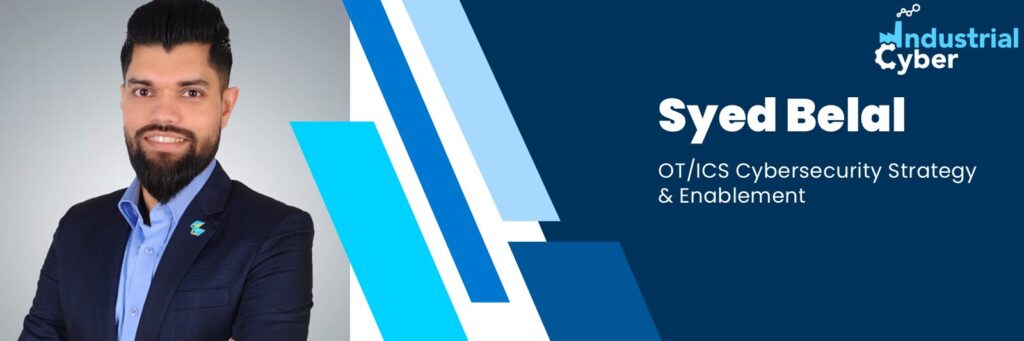
Syed Belal
Syed M. Belal is the Global Director of OT/ICS Cybersecurity Strategy at Hexagon’s Asset Lifecycle Intelligence division. With 16+ years in industrial automation and critical infrastructure, he holds a B.S. in Electrical Engineering, an M.B.A. in Business Strategy, and certifications including CISSP®, CISA®, and CISM®.
如有侵权请联系:admin#unsafe.sh